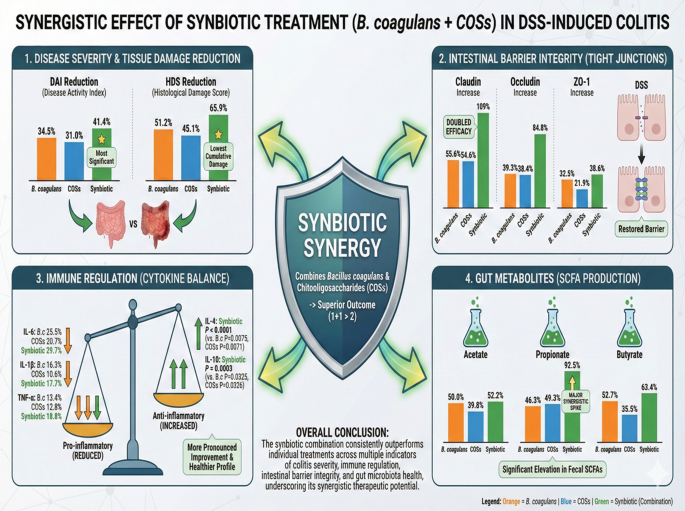
People with ulcerative colitis may be interested because synbiotic approaches aim to change the gut microbiome and intestinal barrier and therefore could become a future therapeutic option or adjunct. The paper summarizes biological mechanisms in animal models that underpin current interest in synbiotics.
Who Should Pay Attention
Researchers studying microbiome-based therapies, clinicians following emerging IBD treatments, and patients interested in microbiome or dietary adjuncts for ulcerative colitis.
Study Snapshot
Story typeResearch paper
Evidence typeResearch paper
Source depthMetadata only
What To Know
The article summarizes animal-model evidence that combining specific probiotic strains with prebiotic substrates (synbiotics) can alter the gut microbiome, enhance intestinal barrier proteins, and modulate immune pathways in ways that reduce inflammation in experimental ulcerative colitis.
The findings come from multiple mouse and rat studies rather than human trials. The review emphasizes mechanistic pathways — for example, changes in microbiome composition, short-chain fatty acid production, tight-junction expression, and signaling pathways involved in immune responses — as likely contributors to therapeutic effects observed in animals.
This is preclinical research: it supports biological plausibility and helps identify candidates and mechanisms for future human studies, but it does not provide evidence that specific synbiotic products are effective or safe for people with ulcerative colitis.
Keep In Mind
Findings are from animal (preclinical) studies compiled in a journal review/article; results do not equal clinical efficacy in humans. Synbiotic formulations and doses vary widely across studies, so human trials are needed before clinical recommendations.
Source Details
Review the original publication for the complete reporting, methods, and context.
This Cure8 brief is based on source text from the linked article. Cure8 is informational only and is not a substitute for professional medical advice, diagnosis, or treatment.
Fibrosis and stricturing are key problems in Crohn’s disease with limited therapies; this study identifies a microbiota–bile acid–GPBAR1 pathway by which a specific probiotic mix reduced inflammation and fibrosis in...
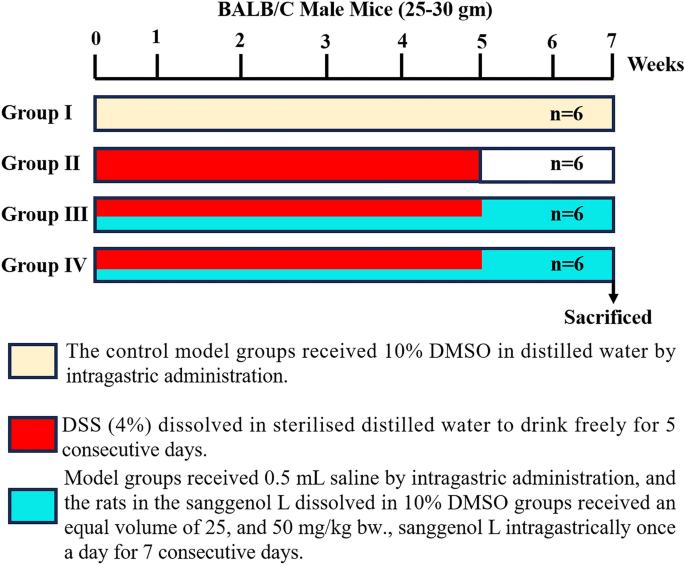
Researchers exploring new anti-inflammatory or antioxidant compounds for ulcerative colitis may find sanggenol L’s effects on Nrf2/HO-1 and TLR4/p65 signalling of interest. Patients should note this is early-stage,...