Diet and lifestyleBiomarkersMicrobiomeCRPSystematic Review or Meta AnalysisAdult patientsCliniciansResearchers
Why This Matters
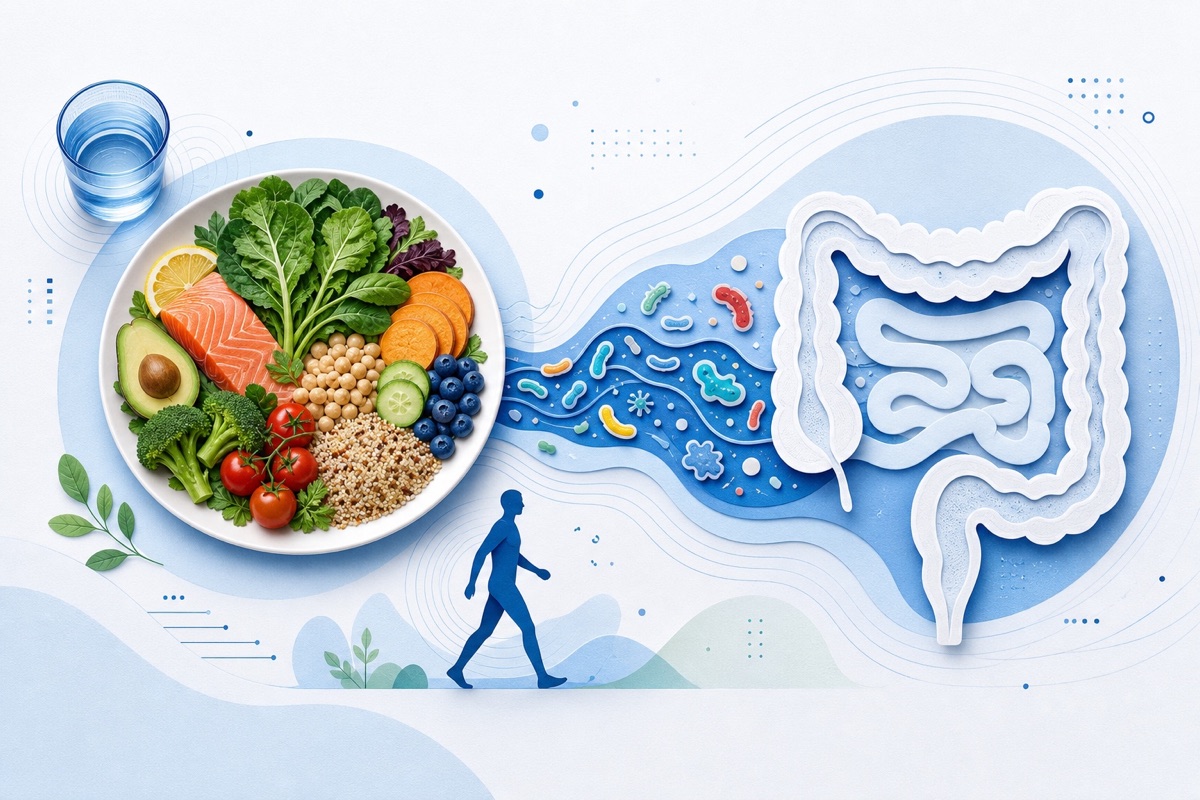
Diet is a modifiable factor many people with IBD try to use to feel better. This review summarizes current evidence that a Mediterranean-style eating pattern may help quality of life and is linked to lower inflammation in observational studies, but randomized trials so far are inconclusive.
Who Should Pay Attention
Adult patients with Crohn's disease or ulcerative colitis, dietitians and clinicians advising on nutrition, and researchers designing dietary intervention trials in IBD.
Study Snapshot
Story typeResearch paper
Evidence typeResearch paper
Source depthJournal abstract
What To Know
This is a systematic review (registered on PROSPERO) that pooled 12 studies including 1,615 adults with IBD: 3 randomized controlled trials, 1 single-arm interventional study, and 8 observational studies.
Observational data tended to favor higher MedDiet adherence for improved QoL and lower inflammation (including CRP), but the randomized trials did not show consistent significant effects on inflammatory biomarkers.
The authors emphasize substantial heterogeneity across studies — differences in design, populations, outcome measures, and risk of bias — which prevented meta-analysis and limits how strongly we can interpret the results.
Overall, the review suggests the MedDiet may be beneficial for quality of life and possibly supportive of remission for some patients, but higher-quality, larger RCTs are needed to confirm effects and identify which dietary components matter most.
Keep In Mind
The review is grounded in an abstract-level from Clinical Nutrition ESPEN and notes high heterogeneity and risk-of-bias across included studies. Because randomized evidence is limited and mixed, conclusions are tentative and not definitive guidance for individual care.
Source Details
Review the original publication for the complete reporting, methods, and context.
This Cure8 brief is based on source text from the linked article. Cure8 is informational only and is not a substitute for professional medical advice, diagnosis, or treatment.
Dietary strategies that reduce inflammation and oxidative stress could complement medical care for people with IBD by potentially lowering biomarkers linked to disease activity.
This study suggests that higher intake of specific fibers (beta‑glucan and inulin) may be linked to lower Crohn’s risk in people with a family history, and it connects those fibers to biomarkers of inflammation, barrier...
Diet is a modifiable factor that may influence inflammation and the gut microbiome. If the Mediterranean diet is linked with lower disease activity and inflammatory markers in newly diagnosed Crohn’s disease, patients...