The Journal of Immunology
Cure8 research brief
Cure8 research brief
The study presents a new oral NRF2 activator that reduced inflammation and tissue injury in a mouse model of ulcerative colitis, suggesting a potential novel therapeutic approach.
For people with IBD, this highlights ongoing drug-discovery efforts targeting oxidative stress and epithelial protection rather than conventional cytokine blockade.
Researchers in IBD drug discovery and immune pathways, clinicians following experimental UC therapies, and patients interested in upcoming oral treatments for inflammatory bowel disease.
This paper describes a preclinical (mouse) study testing MTAI-1025, a new oral NRF2 activator, in a 14-day DSS colitis model. The compound reduced disease activity index, weight loss, mucosal injury, inflammatory cell infiltration, and levels of pro-inflammatory cytokines (IL‑1β, IL‑6, CXCL1).
The authors also show target engagement (NQO1 induction) and mechanistic data on NRF2/KEAP1/Cul3 interactions in cell assays. The results are from animal experiments and in vitro mechanistic work; they do not report human safety or efficacy. “First-in-class” potential is the authors’ interpretation based on preclinical activity and target biology.
This study was funded by Montai Therapeutics, the company that developed the compound. If you have Crohn’s disease or ulcerative colitis, this is an early-stage research result suggesting NRF2 activation might reduce inflammation in experimental colitis.
It does not change clinical care and the compound would need clinical trials to determine safety and effectiveness in people.
Preclinical (animal and cell) data do not establish human safety or efficacy. The work is funded by the company that developed the compound; clinical trials would be needed before any patient use.
Review the original publication for the complete reporting, methods, and context.
This Cure8 brief is based on source text from the linked article. Cure8 is informational only and is not a substitute for professional medical advice, diagnosis, or treatment.
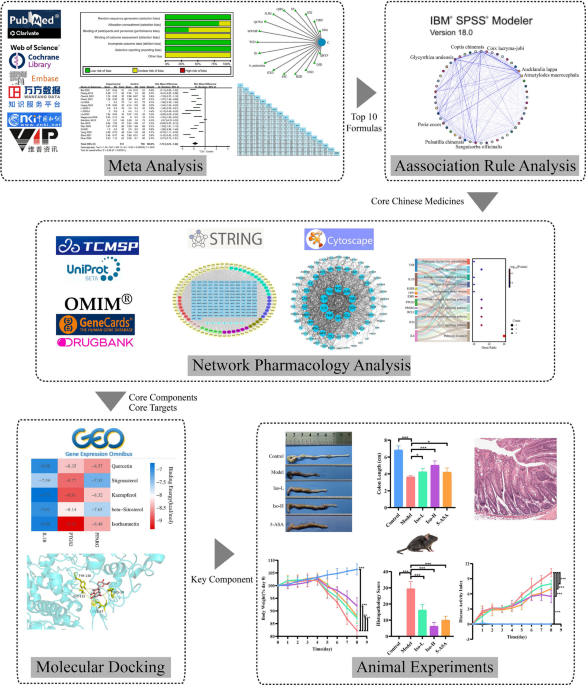
This article suggests a naturally derived compound (isorhamnetin) identified from TCM may reduce inflammation in experimental ulcerative colitis and points to the Nrf2–PTGS2 pathway as a possible mechanism. That could...
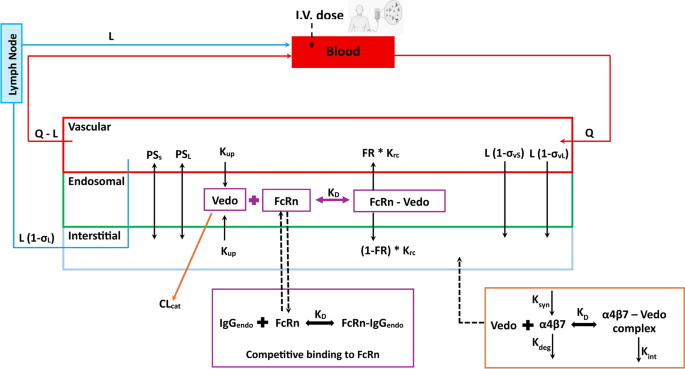
Vedolizumab blood levels can vary with disease activity; a model that links intestinal α4β7 expression to drug exposure helps explain why some patients have lower drug levels and may need different dosing. This could...
This study links an HLA gene (DRB1) to shared T cell receptor patterns in both Crohn’s disease and ulcerative colitis, suggesting common immune targets across IBD subtypes. That could help researchers identify antigens...