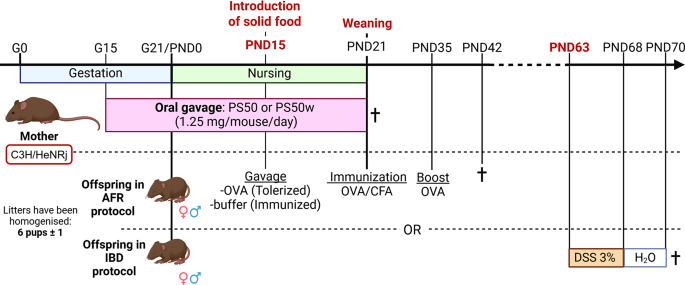
The study raises the possibility that perinatal exposure to nanoplastics could have lasting, sex-specific effects on gut health and make adult offspring more susceptible to intestinal inflammation. This may be relevant as environmental plastic exposure is widespread and increasing.
Who Should Pay Attention
Researchers (environmental toxicology, IBD, microbiome), clinicians interested in early-life risk factors for IBD, and parents/caregivers concerned about prenatal and early-life environmental exposures.
Study Snapshot
Story typeResearch paper
Evidence typeResearch paper
Source depthMetadata only
What To Know
This open-access animal study reports that giving pregnant and lactating mice oral 50 nm polystyrene nanoparticles (pristine or weathered) led to long-term changes in offspring gut physiology and worsened adult experimental colitis triggered with DSS.
The authors found increased body weight at PND63 and sex-dependent effects, with weathered particles more harmful in males. The work tests both oral tolerance (ovalbumin) and susceptibility to chemically induced colitis after perinatal exposure.
The study suggests perinatal exposure to nanoplastics can ‘imprint’ lasting changes in gut health in mice, affecting later-life responses to intestinal injury and showing sexual dimorphism.
Keep In Mind
Animal-model findings using controlled exposures and DSS-induced colitis provide mechanistic insight but cannot alone establish human risk. Dose comparisons, exposure routes, and species differences limit direct applicability; further human-focused research is needed.
Source Details
Review the original publication for the complete reporting, methods, and context.
This Cure8 brief is based on source text from the linked article. Cure8 is informational only and is not a substitute for professional medical advice, diagnosis, or treatment.
The paper reports a materials-based strategy to improve zinc delivery and bioavailability that reduced dose while preserving beneficial effects in a mouse colitis model—relevant because zinc supports intestinal health...
This study explores genetic risk variants (NOD2/CARD15) and local environmental factors (khat use) among young adults with IBD in Djibouti — information that may help explain regional differences in Crohn’s disease and...
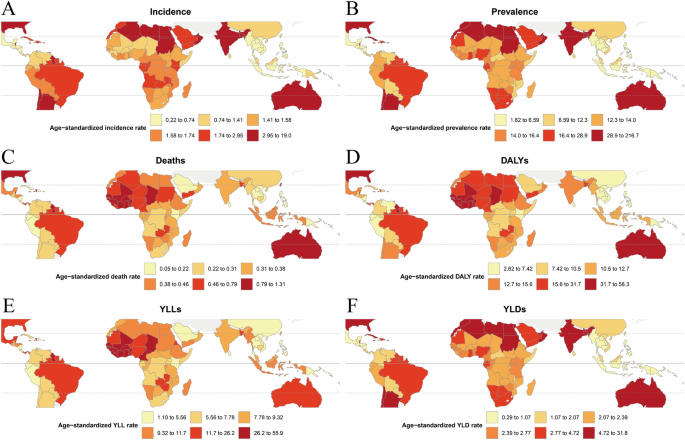
The work links climate and sociodemographic context to IBD burden in tropical regions, which can influence diagnostic recognition, resource needs, and research priorities for communities where IBD is rising.