Cure8 research brief
Why This Matters
Rising IBD incidence and prevalence in Asia mean more people will need long-term care, specialist services, and health-system planning. Understanding regional trends helps patients and policymakers anticipate resource needs and workforce training.
Who Should Pay Attention
Patients with IBD in Asia; clinicians and gastroenterology services; health policy makers and planners; researchers in epidemiology and health services.
Study Snapshot
What To Know
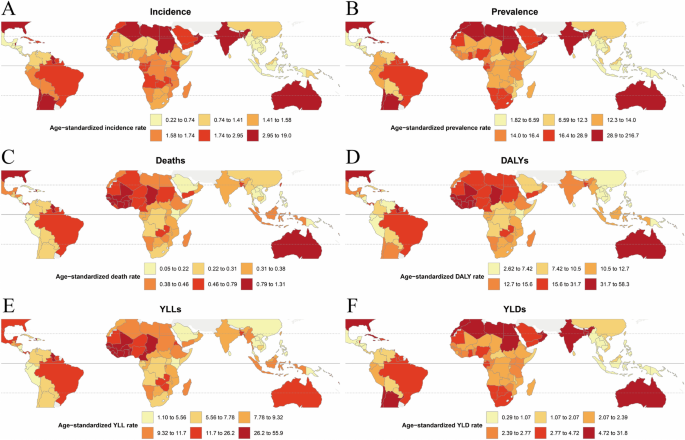
This PLoS One analysis used Global Burden of Disease 2023 data to estimate IBD (UC and CD) incidence, prevalence, DALYs, and mortality across 47 Asian countries from 1990–2023 and projected trends to 2050 using ARIMA models.
The study reports that age-standardized incidence and prevalence of IBD in Asia increased from 1990 to 2023 and are projected to keep rising to 2050, while DALY and mortality rates were broadly stable or slightly decreasing. Higher socio-demographic index (SDI) was linked to higher prevalence.
Methods included EAPC calculations, age/sex stratification, and out-of-sample validation for projections. These findings are population-level estimates based on GBD data and statistical projections; they do not provide clinical treatment guidance or individual risk predictions.
Keep In Mind
This study analyzes GBD 2023 estimates and uses ARIMA projections; results reflect modelling choices and regional data gaps. Projections to 2050 are model-based forecasts, not observed outcomes.
Source Details
Review the original publication for the complete reporting, methods, and context.
Conflict statement: The authors have declared that no competing interests exist.
This Cure8 brief is based on source text from the linked article. Cure8 is informational only and is not a substitute for professional medical advice, diagnosis, or treatment.