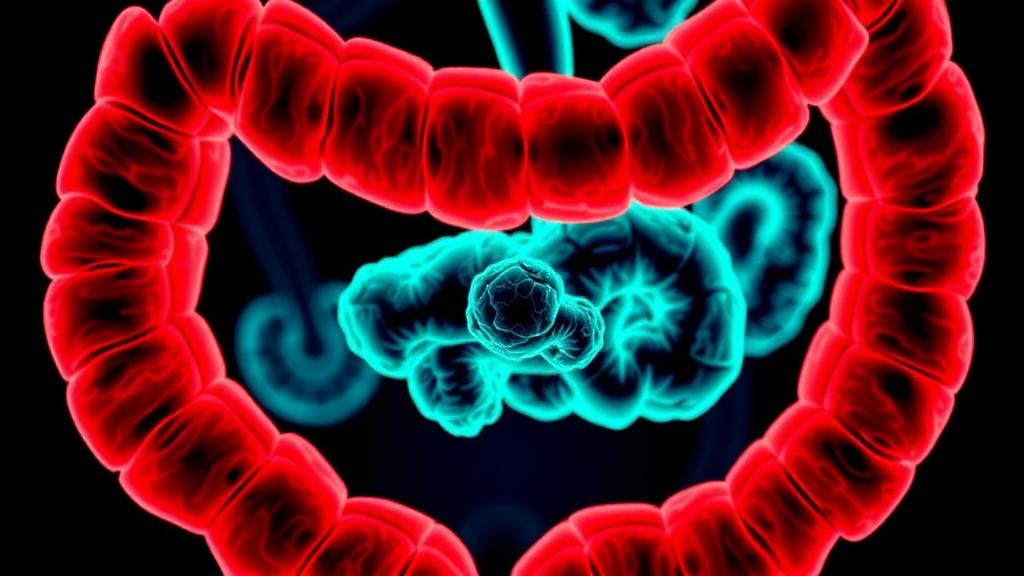
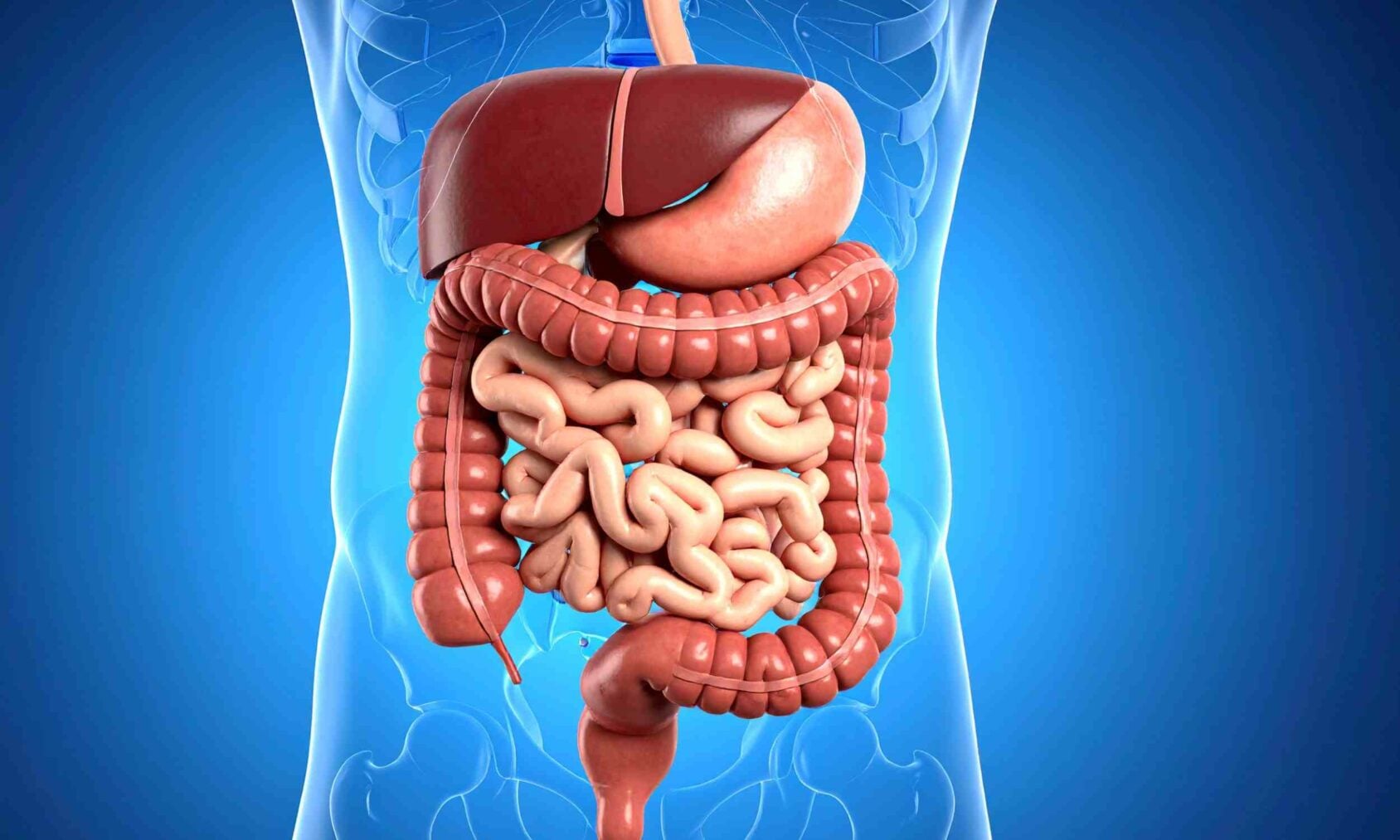
The study identifies an epithelial cell death signature (necroptosis then apoptosis) that appears before major inflammation and which correlated with relapse over 24–36 months, suggesting a possible early biomarker to predict flares in IBD.
Who Should Pay Attention
Clinicians, IBD researchers, patients interested in relapse prediction or biomarker-driven treatment decisions, and those using organoid or single-cell methods.
Study Snapshot
Story typeResearch news
Evidence typeClinical study
Source depthFull source text
What To Know
This study analyzed >900 patient biopsies, spatial profiling, organoid experiments, and longitudinal follow-up. Investigators identified an epithelial cell cluster expressing NOS2, ZBP1 and MLKL at the top of colonic crypts; these cells adopted an inflammatory, macrophage-like transcriptional program when exposed to TNF and IFN-gamma in organoids.
Necroptotic signaling was prominent in noninflamed tissue and apoptotic markers increased with histologic inflammation, suggesting a necroptosis-to-apoptosis trajectory during lesion development.
The most clinically actionable finding reported is that higher phospho-RIPK3 in baseline biopsies (and a trend for cleaved caspase-3) correlated with subsequent relapse months later in patients who were clinically quiet at sampling.
The authors propose that epithelial cell death programs could serve as early biomarkers of relapse and potential therapeutic targets.
Keep In Mind
Results come from one comprehensive study with organoid experiments and longitudinal follow-up; independent validation and consideration of biopsy practicality are needed before clinical adoption.
Source Details
Review the original publication for the complete reporting, methods, and context.
Clinical studyArticle type assigned from Cure8 classification; confirm details in the original source.
Publicationbioengineer.org
Indexed viaGoogle News
Source typeWeb article
PublishedOct 8, 2026, 1:31 PM
Content availableFull source text
This Cure8 brief is based on source text from the linked article. Cure8 is informational only and is not a substitute for professional medical advice, diagnosis, or treatment.
The study suggests a hidden, early molecular defect that leaves intestinal cells primed to die even during clinical remission, which could help explain why flares recur. Measuring these molecular signals might eventually...
The study suggests vitamin D might help the immune system tolerate gut bacteria better and lower intestinal inflammation, which could mean fewer symptoms or flares for people with Crohn’s disease or ulcerative colitis.
This study describes how IBD presents and early outcomes in children at a tertiary center, noting high rates of inflammation, nutritional problems, and early flares. Findings may help families and clinicians understand...