Eating disorders and GI diseases frequently overlap and can worsen nutrition, symptoms, and disease management; recognizing this overlap helps patients and clinicians avoid missed diagnoses and get integrated care.
Who Should Pay Attention
Patients with IBD, DGBIs, or celiac disease; caregivers and parents; gastroenterologists, psychiatrists/mental-health clinicians, dietitians; researchers in the microbiome and gut–brain fields.
Study Snapshot
Story typeResearch paper
Evidence typeResearch paper
Source depthJournal abstract
What To Know
This narrative review (abstract/full-text available) summarizes literature through early 2026 on coexistence of anorexia nervosa, bulimia, binge-eating, ARFID, and orthorexia with GI diseases.
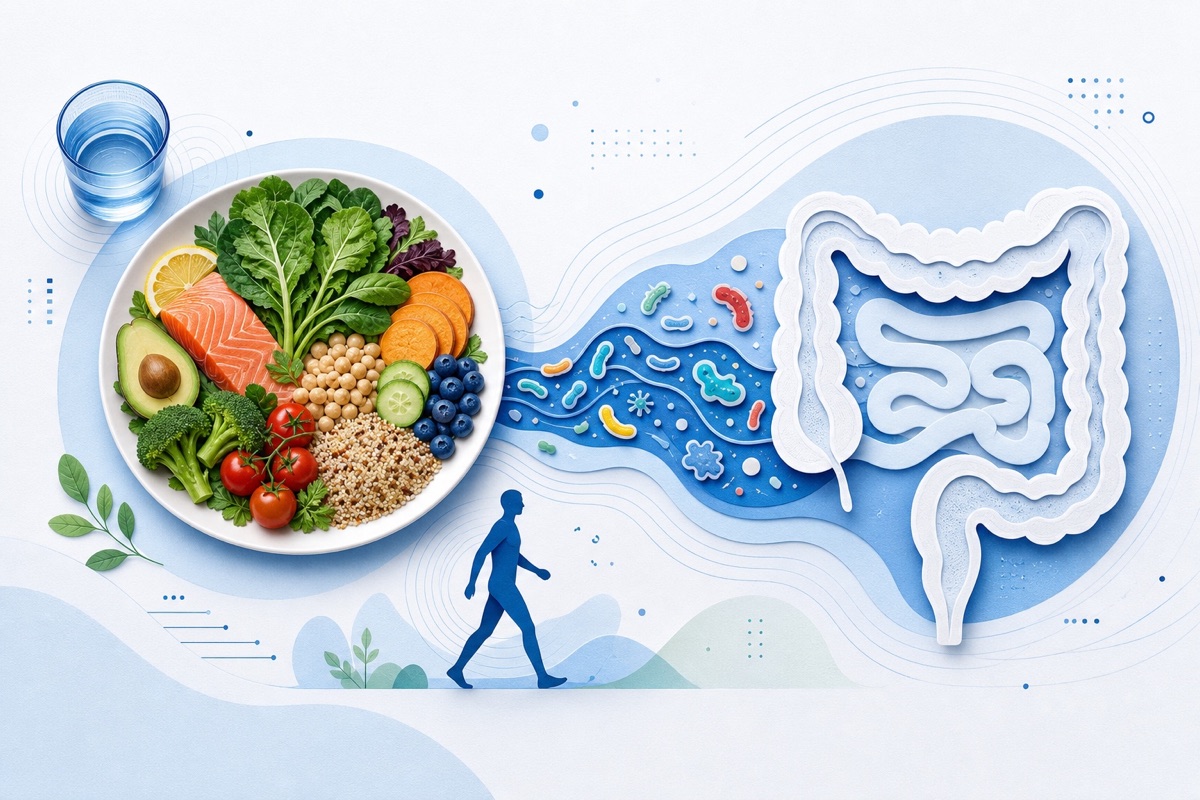
The authors describe a complex, bidirectional relationship driven by the gut–brain axis: chronic GI symptoms and medically advised dietary changes can trigger or mask restrictive or disordered eating, while primary eating disorders can cause GI distress and microbiome disruption that perpetuates inflammation and malnutrition.
The paper emphasizes diagnostic challenges (especially distinguishing symptom-driven dietary restriction from pathological eating behavior) and advocates multidisciplinary care involving gastroenterology, psychiatry/psychology, and dietetics to improve recognition and outcomes.
Keep In Mind
This is a narrative review (preprint/abstract record) that synthesizes existing literature to early 2026. It does not present a new clinical trial or primary experimental findings; recommendations emphasize multidisciplinary assessment and careful evaluation of dietary restrictions versus disordered eating.
Source Details
Review the original publication for the complete reporting, methods, and context.
This Cure8 brief is based on source text from the linked article. Cure8 is informational only and is not a substitute for professional medical advice, diagnosis, or treatment.
Vitamin D appears linked to immune regulation, gut barrier health, and the microbiome—processes relevant to IBD and other intestinal disorders. Understanding this could affect how clinicians monitor and study vitamin D...
Dietary strategies are being studied as active therapies for inducing remission in IBD, not just for symptom control or nutrition. Many patients struggle with malnutrition, and some diets (especially EEN and CDED) have...
IBD is increasingly linked with anxiety, depression, and cognitive symptoms; this study suggests gut microbes may change tryptophan metabolism in colitis and contribute to those brain-related symptoms, which could point...