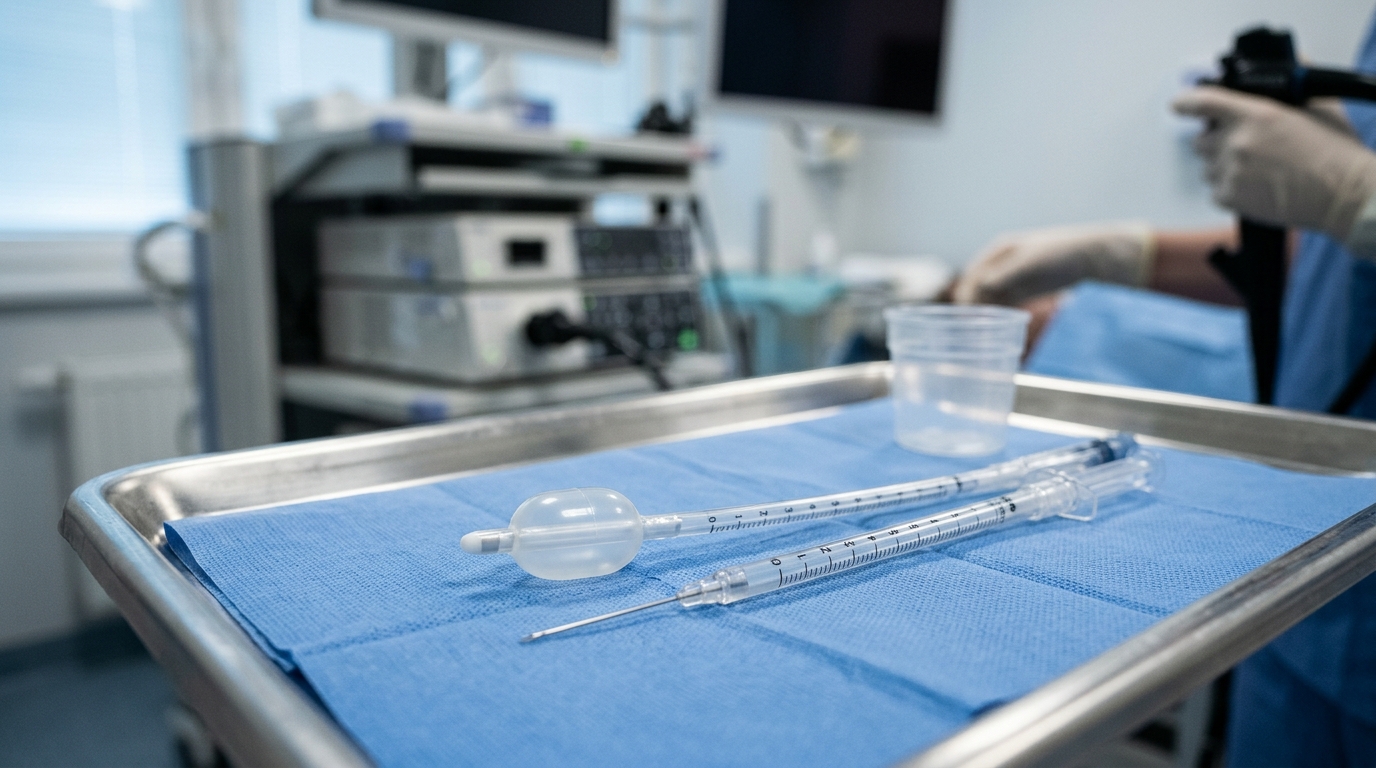
This study tested an experimental technique (injecting a patient’s own platelet‑rich plasma into a Crohn’s colonic stricture after balloon dilation) and found it was feasible and preliminarily safe but did not clearly reduce re‑narrowing over one year.
That matters because fibrostenotic strictures are hard to manage and patients/clinicians are seeking better ways to keep the bowel open after dilation.
A small randomized pilot study tested injecting autologous platelet‑rich plasma (PRP) into colonic Crohn’s strictures immediately after endoscopic balloon dilation. The procedure was technically feasible in all 29 patients and investigators attributed no adverse events directly to the PRP itself.
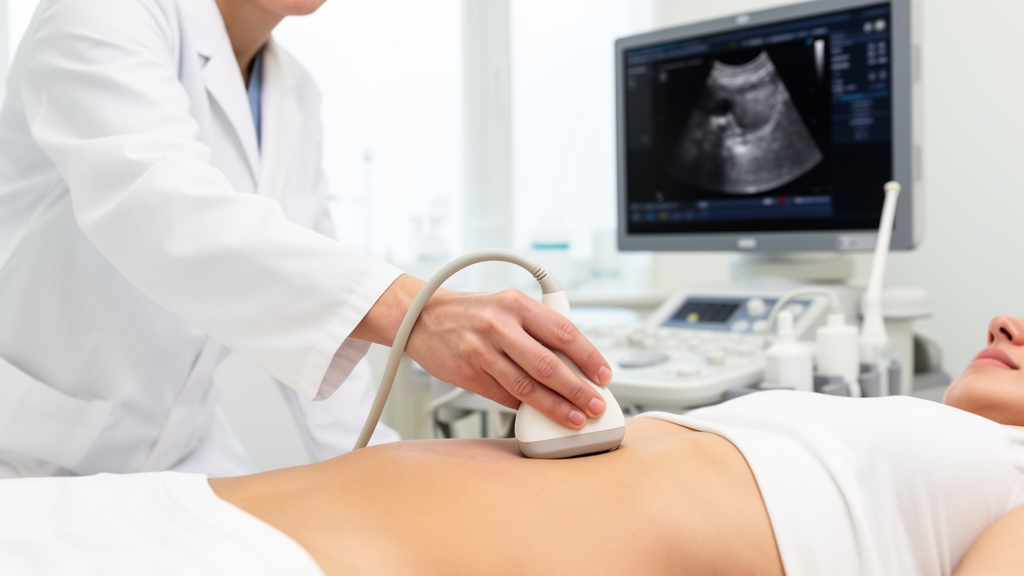
However, PRP did not clearly prevent restenosis: nearly half of treated segments met the study’s restenosis criterion by three weeks and about 73% had restenosis by one year. Intestinal ultrasound measurements showed no significant change from baseline.
Balloon dilation carried expected risks (one perforation related to dilation; two delayed hemorrhages thought due to concurrent polypectomy). The authors conclude intralesional PRP after dilation appears safe in this small cohort but the study cannot establish efficacy; they recommend further research exploring repeated dosing or combination approaches.
Keep In Mind
Pilot randomized trial with 29 patients; powered for safety/feasibility not efficacy. Restenosis assessment used an objective endoscope-diameter threshold; ultrasound measures showed no improvement. The procedure remains investigational.
Source Details
Review the original publication for the complete reporting, methods, and context.
This Cure8 brief is based on source text from the linked article. Cure8 is informational only and is not a substitute for professional medical advice, diagnosis, or treatment.
Accurate, radiation-free imaging at the point of care can speed diagnosis and management of strictures, abscesses, and fistulas in Crohn’s disease. Improved ultrasound techniques may help determine who needs surgery or...
A noninvasive, bedside intestinal ultrasound score that tracks disease activity could offer radiation-free monitoring that aligns with symptoms and biomarkers, making follow-up easier and potentially faster for many...
The study quantifies how often balloon delivery problems occur during EBD for Crohn's strictures and identifies modifiable procedural factors linked to those problems, which could help reduce procedural complications.