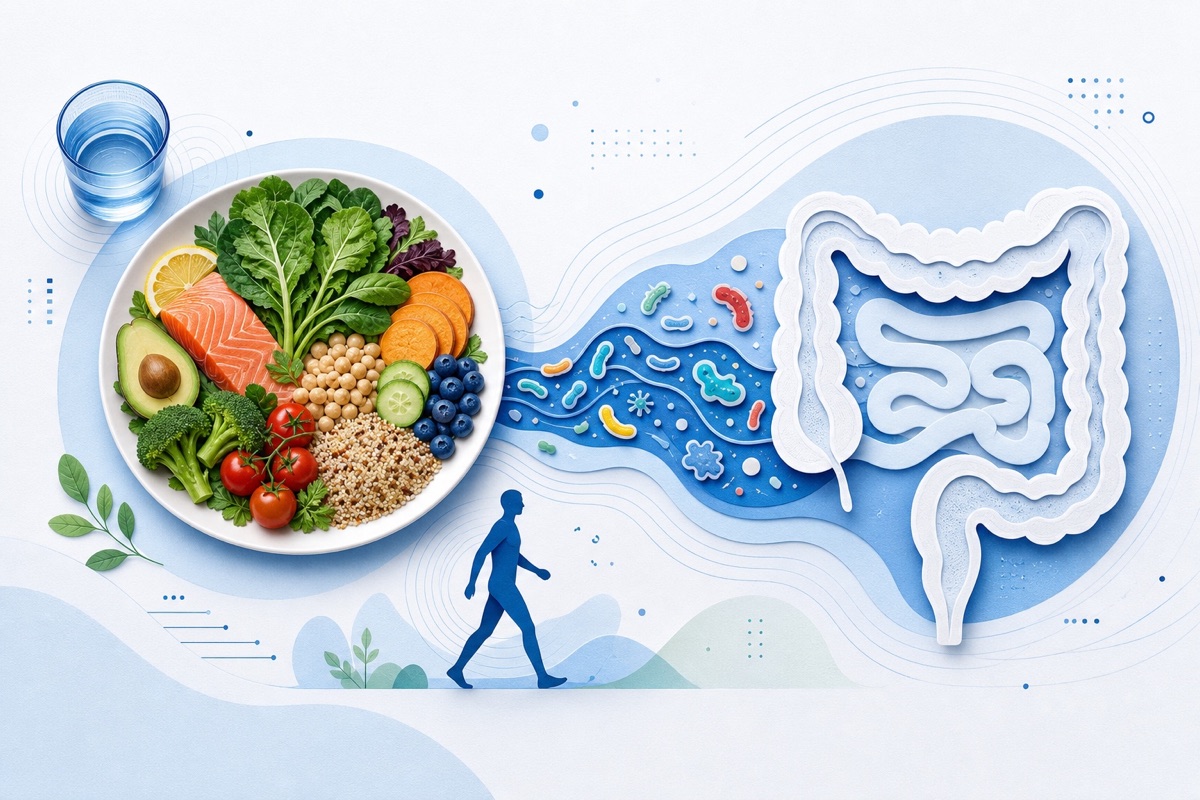
Different protein sources may affect IBD risk and relapses, especially for ulcerative colitis, and diet choices could be relevant to patients and clinicians managing IBD.
Who Should Pay Attention
Adults with IBD (esp. UC), clinicians and dietitians, and researchers studying diet–IBD relationships
Study Snapshot
Story typeResearch paper
Evidence typeResearch paper
Source depthJournal abstract
What To Know
The authors note that protein sources differ in amino acid composition and the other foods and patterns they come with, which can change physiological effects relevant to IBD.
Observational studies have shown possible associations between higher animal-protein intake (especially red meat) and a higher risk of ulcerative colitis and greater risk of UC relapse; associations with Crohn’s disease are less consistent.
The review also highlights that certain animal-protein–based diets have been used as components of effective treatment strategies for inducing and maintaining remission in Crohn’s disease. The overall recommendation is to consider specific protein sources and the broader dietary pattern rather than only animal-versus-plant protein labels.
Keep In Mind
Narrative review based on available observational and clinical data; associations (particularly from observational studies) do not establish causality. The abstract, not a full systematic review or new clinical trial, forms the basis of the summary.
Source Details
Review the original publication for the complete reporting, methods, and context.
Conflict statement: A.V. has served as a speaker for Pfizer and Abbvie. He has been on the advisory board for Pfizer, Abbvie, and Ferring. C.K.Y. has received travel honoraria from Sandoz, Viatris, and Yakult Australia. The other authors declare no conflicts of interest.
This Cure8 brief is based on source text from the linked article. Cure8 is informational only and is not a substitute for professional medical advice, diagnosis, or treatment.
If dietary oxalate influences gut inflammation, it could be a modifiable dietary factor for some people with IBD and might help explain variability in symptoms. The study points to transporters as potential markers of...
Vitamin D appears linked to immune regulation, gut barrier health, and the microbiome—processes relevant to IBD and other intestinal disorders. Understanding this could affect how clinicians monitor and study vitamin D...
Dietary patterns may differ between people who develop Crohn’s disease or ulcerative colitis and their healthy relatives; understanding these associations could help guide prevention research and personalized nutrition...