This project tests whether common nanoplastics that people ingest could damage the gut barrier, alter gut microbes’ estrogen metabolism, and injure enteric nerves — processes that might increase risk or severity of IBD.
If confirmed, nanoplastics would be a potentially modifiable environmental contributor to intestinal inflammation. The work links environmental exposure research to IBD mechanisms and patient samples, which could point to new prevention or therapy targets beyond current immune-focused treatments.
Who Should Pay Attention
Researchers studying environmental drivers of IBD, gastroenterologists and clinicians focused on gut barrier and neuroimmune mechanisms, and patients and advocates interested in environmental risk factors for IBD.
Study Snapshot
Story typeClinical Reference
Evidence typeFunded research project
Study statusFunded
Source depthResearch project record
What To Know
This is a funded NIH project record (R00 phase) from Emory University proposing to study how bisphenol A–containing nanoplastics (BPA-NPs) affect intestinal barrier integrity, the estrobolome (microbial estrogen metabolism), and enteric nervous system (ENS) mitochondrial function to drive neurogenic inflammation and worsen colonic injury.
Planned work includes cell co-cultures, murine exposure models, human organoids and ex vivo tissues, spatial transcriptomics, Seahorse bioenergetics, exposomics of patient biopsies/serum/stool, and correlation of nanoplastics burden with mechanistic markers. The entry describes aims, methods, and training goals but does not report completed clinical results.
Keep In Mind
This is a funded research project record (project summary) describing planned and ongoing studies; it does not present peer-reviewed results. Findings will depend on future experimental and exposomics data. Interpret outcomes cautiously until peer-reviewed publications are available.
Source Details
Review the original publication for the complete reporting, methods, and context.
Funded research projectEvidence type derived from source or registry metadata.
PublicationNIH RePORTER
AuthorsArun Balasubramaniam
InstitutionEMORY UNIVERSITY
Study typeFunded Research Project
Indexed viaNIH RePORTER
Source typeFunded research record
PublishedSep 1, 2026, 12:00 AM
Content availableResearch project record
Funding disclosed by the source: National Institute of Diabetes and Digestive and Kidney Diseases - K99DK149050 - $90,000
This Cure8 brief is based on source text from the linked article. Cure8 is informational only and is not a substitute for professional medical advice, diagnosis, or treatment.
Understanding gene–microbe interactions that drive site-specific disease in very early-onset Crohn’s could reveal why some children develop ileal versus colonic disease and suggest new approaches to prevention or...
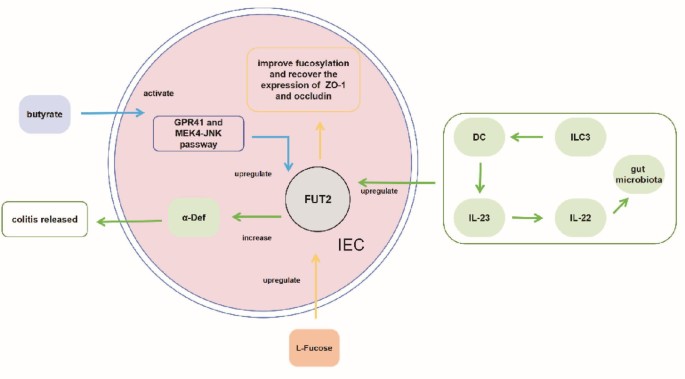
FUT2-mediated fucosylation shapes gut glycans and the microbiome, mechanisms relevant to inflammation and mucosal barrier function in IBD. Understanding these pathways could point to future biomarkers or therapeutic...
The review highlights how microbial metabolites, epigenetic regulation, and mitochondrial metabolism interact to shape inflammation and barrier function in IBD. Understanding these links could help identify new...