The review outlines new research tools for investigating whether mycobacteria contribute to Crohn’s disease and how the microbiome might influence infection and intestinal inflammation, which could eventually inform diagnostics or treatments.
Who Should Pay Attention
Researchers studying IBD pathogenesis, microbiome scientists, infectious-disease researchers, and clinicians interested in emerging causes and diagnostics for Crohn’s disease.
Study Snapshot
Story typeResearch paper
Evidence typeResearch paper
Source depthJournal abstract
What To Know
The article is a review (abstract-level summary provided) that summarizes recent methodological advances researchers can use to investigate mycobacteria as potential causative agents of intestinal inflammation. It covers comparative insights from Johne’s disease (caused by Mycobacterium avium subsp.
paratuberculosis) and explores how genomics, microbiome analyses, and imaging approaches could improve diagnostics and understanding of disease mechanisms.
The review does not present new clinical trial results or clinical recommendations for patients; instead it outlines a research toolbox and model systems to guide future work on diagnostics, prevention, and therapeutics.
Keep In Mind
This is an abstract-level summary of a review article; it synthesizes methods and hypotheses rather than reporting new clinical trial results. The role of mycobacteria in human Crohn’s disease remains debated.
Source Details
Review the original publication for the complete reporting, methods, and context.
This Cure8 brief is based on source text from the linked article. Cure8 is informational only and is not a substitute for professional medical advice, diagnosis, or treatment.
A coordinated national research network can accelerate studies that matter to people with IBD—like tracking real-world disease patterns, testing diet and psychosocial approaches, improving monitoring with biomarkers and...
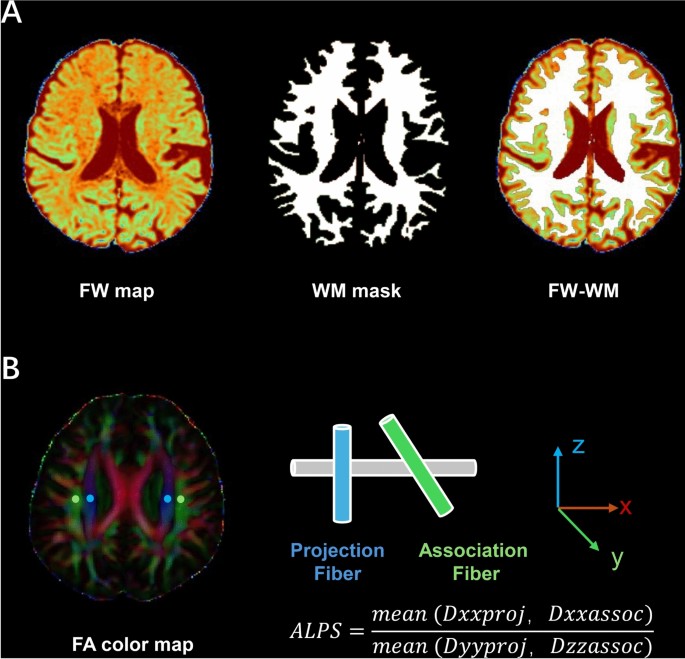
This study suggests brain glymphatic function — a fluid-clearance system — may be altered in people with Crohn’s disease and could relate to inflammation and common neuropsychiatric symptoms like fatigue, anxiety,...
Colon-targeted delivery systems aim to concentrate drugs in the colon, which could improve effectiveness and reduce systemic side effects for IBD and colorectal cancer treatments. Understanding these approaches helps...