Cure8

Why This Matters

If validated, serum osmolality — a routine, low-cost blood measure — could become an additional marker to help identify IBD in certain hospitalized patients with anxiety. This could aid research and possibly improve case-finding in specific clinical settings.

Who Should Pay Attention

Clinicians and researchers interested in IBD biomarkers, hospital-based clinicians treating patients with anxiety, and adults with IBD or anxiety who follow research on diagnostic markers.

Study Snapshot

Story typeResearch paper
Evidence typeResearch paper
Source depthMetadata only

What To Know

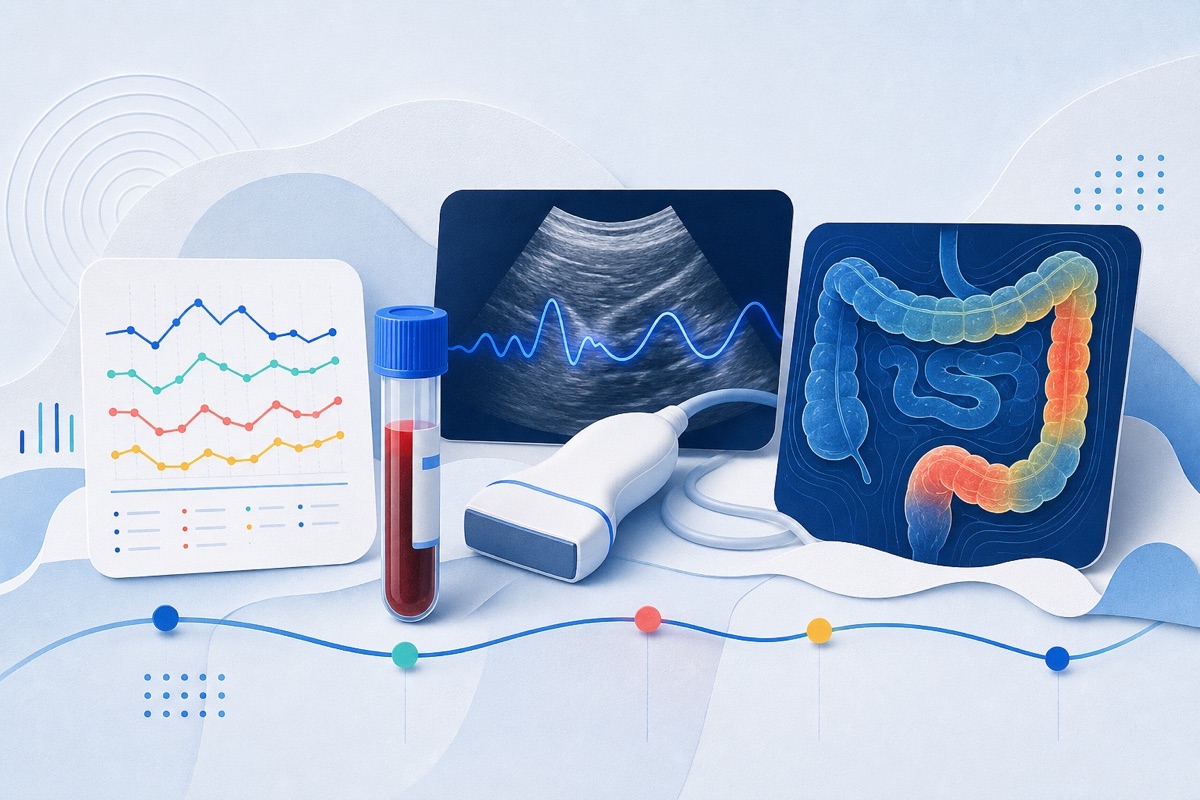
The study examined whether a routine blood measure — serum osmolality — is associated with having IBD among inpatients with anxiety. Higher SOSM (defined in the paper as ≥ 296.71 mOsm/kg) was strongly associated with IBD prevalence after adjustment for confounders, and SOSM ranked highly in an XGBoost feature-importance model.

The finding comes from observational, retrospective data (MIMIC‑IV). The result suggests SOSM might be an inexpensive adjunctive marker to explore further, but it is not evidence that SOSM causes IBD or that measuring it should change clinical care. The authors call for prospective studies to validate the marker before clinical adoption.

Keep In Mind

Findings come from a retrospective cross-sectional analysis of the MIMIC‑IV database; the authors explicitly note causal inferences cannot be made and recommend prospective validation. The sample includes hospitalized patients with anxiety, which may limit generalizability.

Source Details

Review the original publication for the complete reporting, methods, and context.

Read Original Source
Research paper Evidence type derived from source or registry metadata.
PublicationBMC Psychiatry
PublisherSpringer Science and Business Media LLC
AuthorsShuangshuang Wu, Liang Chen, Ying Shen +1 more
Study typeJournal Article
Indexed viaCrossref
Source typeResearch paper
PublishedSep 12, 2026, 12:00 AM
Content availableMetadata only

Funding disclosed by the source: Zhejiang Provincial Natural Science Foundation of China, award LQ23H280015

This Cure8 brief is based on source text from the linked article. Cure8 is informational only and is not a substitute for professional medical advice, diagnosis, or treatment.

Related Reading

Browse latest news →