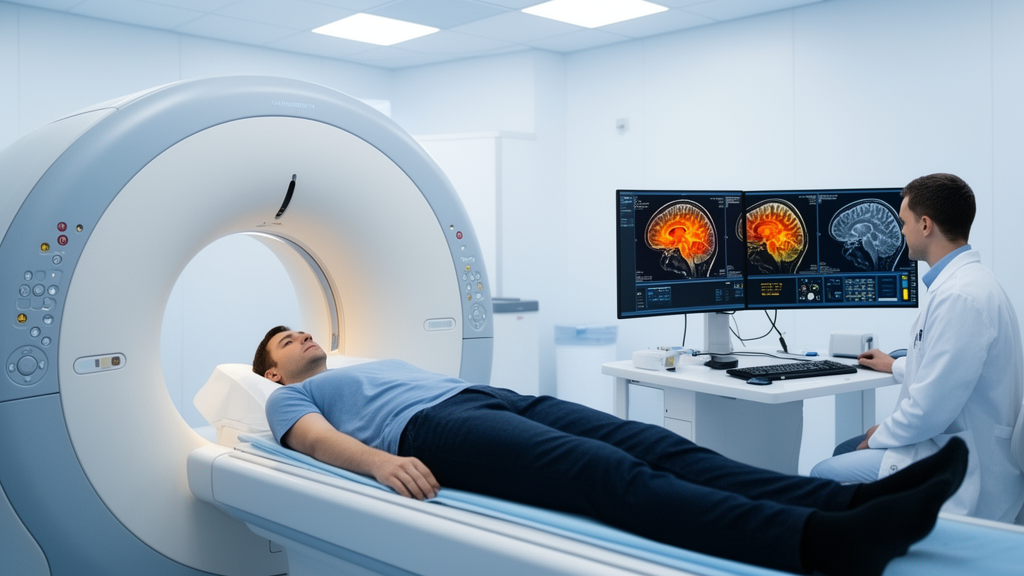
The study suggests Crohn’s disease is associated with coordinated brain structure and function differences that relate to disease activity and quality of life, pointing to brain–gut links that could inform future biomarker or mechanism research.
Who Should Pay Attention
Adults with Crohn’s disease, clinicians interested in gut–brain interactions or neuroimaging, and researchers studying biomarkers or the neural correlates of IBD.
Study Snapshot
Story typeResearch news
Evidence typeClinical study
Source depthFull source text
What To Know
A multimodal MRI study compared 100 people with Crohn’s disease to 50 healthy controls and found coordinated structural and resting-state functional brain differences that covaried across imaging measures.
The shared imaging component involved regions such as the thalamus, default mode network, insula, sensorimotor cortex, occipital lobe, cerebellum and frontal areas.
These MRI components correlated cross-sectionally with clinical measures: one structural component was negatively associated with disease activity, and a functional component was positively associated with quality of life.
The authors also compared the spatial imaging patterns to normative neurotransmitter distribution maps (dopamine, serotonin, noradrenaline, opioid) and observed spatial correspondence, but this does not measure neurotransmitter levels directly.
The study is observational and cross-sectional, so the reported associations are not proof of causation, nor are the MRI patterns validated biomarkers or treatment targets at this stage.
If you have Crohn’s, this research suggests the gut–brain axis may manifest in measurable brain imaging patterns linked to symptoms and quality of life, but these findings are preliminary and meant to guide further research rather than clinical care.
Keep In Mind
Results are from a cross-sectional sample and rely on normative neurotransmitter maps rather than direct molecular measurements. Findings show spatial correspondence and associations, not causal mechanisms or validated clinical biomarkers.
Source Details
Review the original publication for the complete reporting, methods, and context.
Clinical studyArticle type assigned from Cure8 classification; confirm details in the original source.
Publicationbioengineer.org
Indexed viaGoogle News
Source typeWeb article
PublishedOct 21, 2026, 10:33 AM
Content availableFull source text
This Cure8 brief is based on source text from the linked article. Cure8 is informational only and is not a substitute for professional medical advice, diagnosis, or treatment.
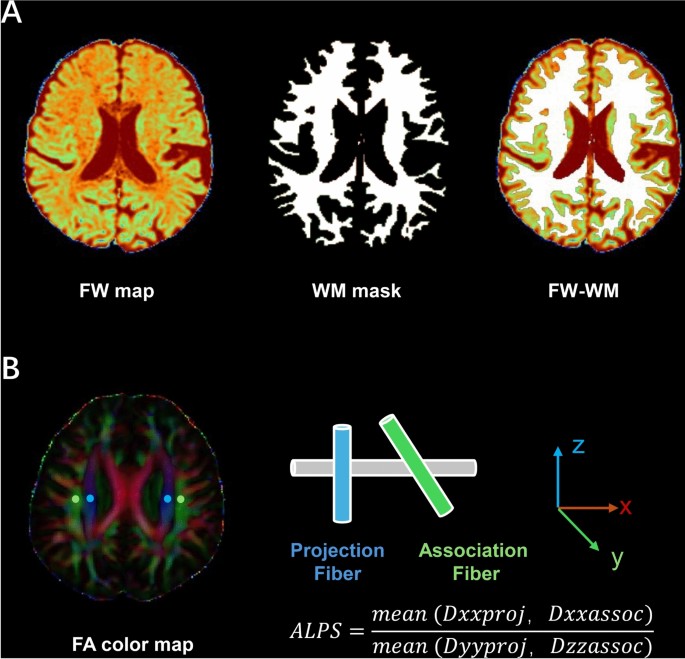
If confirmed, a brain perivascular/glymphatic change linked to intestinal inflammation could help explain why sleep problems are common in Crohn's disease and point to new research targets for symptom mechanisms and...
This study suggests brain glymphatic function — a fluid-clearance system — may be altered in people with Crohn’s disease and could relate to inflammation and common neuropsychiatric symptoms like fatigue, anxiety,...
Fatigue is a common, burdensome symptom in Crohn's disease and hard to treat. This study links fatigue severity to differences in brain resting-state connectivity, suggesting brain–gut interactions may play a role.