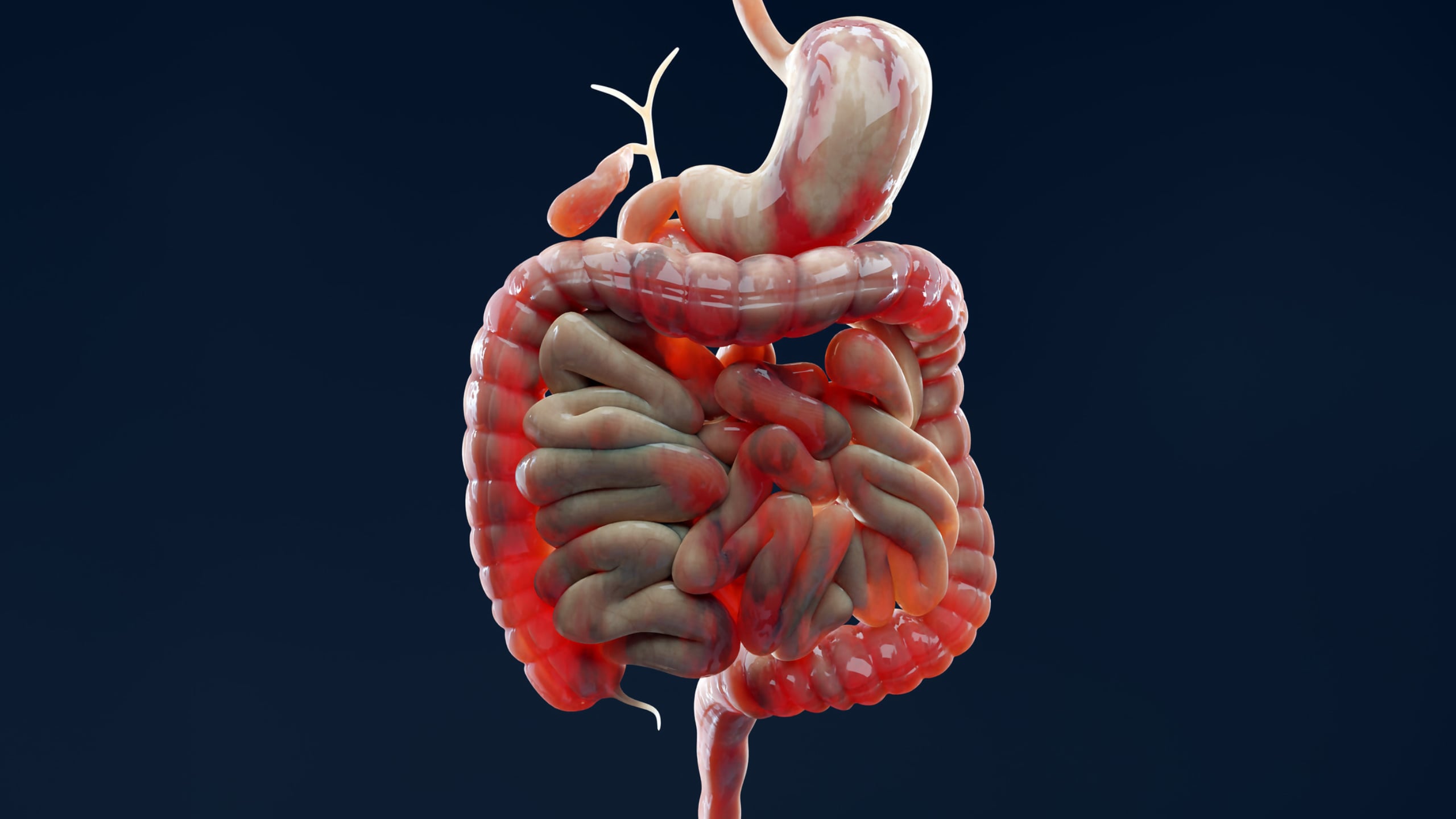
Diarrhea is a common, burdensome symptom in IBD. This study suggests that inflammation-linked defects in enterocyte differentiation and reduced ion transporter expression may help explain persistent diarrhea and that mucosal healing can normalize these changes.
Who Should Pay Attention
Patients with Crohn's disease or ulcerative colitis who have ongoing diarrhea; gastroenterologists and IBD clinicians; researchers studying epithelial function and IBD pathophysiology.
Study Snapshot
Story typeResearch paper
Evidence typeResearch paper
Source depthJournal abstract
What To Know
This study analyzed intestinal biopsies from IBD patients and healthy controls to examine whether faulty differentiation of absorptive enterocytes contributes to chronic inflammatory diarrhea.
Inflamed segments showed reduced expression of key absorptive ion transporters (NHE3, DRA, MCT1, ENaC) and decreased markers of absorptive enterocyte differentiation (villin, intestinal alkaline phosphatase, HES1), with higher proliferation marker (KI67) and increased claudin-2 (a leak-promoting tight junction protein).
The authors report that worse diarrhea scores correlated with lower transporter expression, and that mucosal healing restored normal segmental transporter expression, suggesting the differentiation and transporter changes are inflammation-associated and potentially reversible.
The findings point to impaired epithelial differentiation as an additional mechanism — alongside cytokine-driven transporter modulation and barrier disruption — that can reduce fluid and electrolyte absorption in IBD and contribute to diarrhea.
Keep In Mind
Structured content depth: abstract — the brief is grounded in the source-provided abstract and does not represent review of the full article. Correlational findings reported here do not establish direct causality for symptoms; further studies are needed to translate into treatments.
Source Details
Review the original publication for the complete reporting, methods, and context.
This Cure8 brief is based on source text from the linked article. Cure8 is informational only and is not a substitute for professional medical advice, diagnosis, or treatment.
The study suggests a hidden, early molecular defect that leaves intestinal cells primed to die even during clinical remission, which could help explain why flares recur. Measuring these molecular signals might eventually...
If true, the finding explains why symptoms can return after remission: the gut lining may remain biologically vulnerable even when inflammation seems controlled. That could point to new approaches aimed at 'molecular...
Many people with IBD have ongoing IBS-like symptoms despite little or no intestinal inflammation. This project targets brain–gut and autonomic mechanisms that might explain symptom persistence and tests a non-drug...