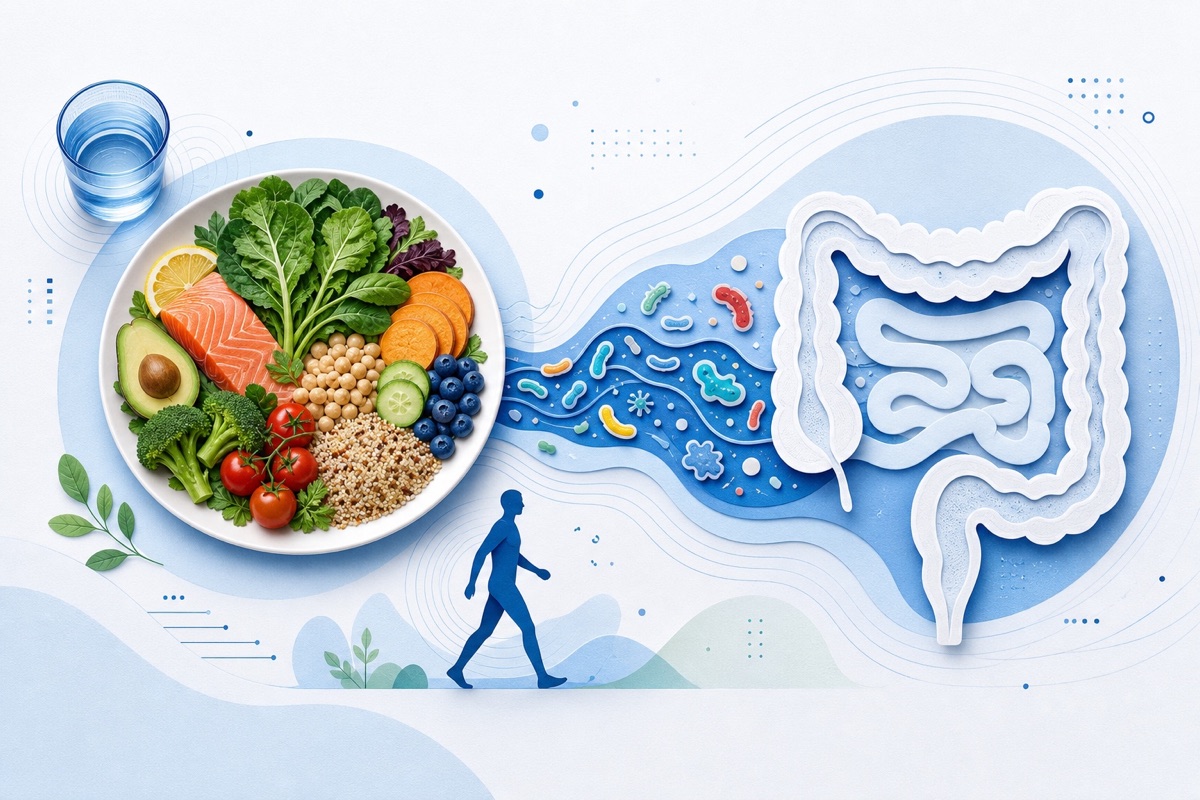
Ultra-processed foods are common in youth diets and may affect overall diet quality; this study is testing whether short, practical nutrition education can reduce UPF intake in children and teens with IBD. If effective, the approach could be an easy-to-deliver way to support healthier eating for pediatric IBD patients.
Who Should Pay Attention
Pediatric patients with IBD and their caregivers, pediatric gastroenterology clinicians, dietitians, and researchers interested in nutrition interventions and pediatric IBD outcomes.
Study Snapshot
Story typeClinical Reference
Evidence typeClinical trial
Enrollment120 participants
Study statusRecruiting
Source depthTrial registry record
What To Know
This is a trial-record entry, not a reported study result. The registry lists eligibility criteria (IBD in remission, age 10–21, English-speaking, not on medically prescribed restrictive diets or tube feeding) and describes two simple educational interventions aimed at reducing UPF consumption.
The outcome is dietary change measured by food recalls within 4–12 weeks rather than clinical disease endpoints. Practical note: If you care about IBD and diet, this study investigates whether brief, low-cost educational materials can change eating patterns in youth with IBD.
It does not report findings here — it describes the planned design, interventions, and measures.
Keep In Mind
This is a recruiting, observational trial record on ClinicalTrials.gov describing planned methods and outcomes; it does not provide results. The primary outcome is a change in percent of daily energy from NOVA Group 4 foods measured by dietary recall over 4–12 weeks.
The study excludes patients on medically prescribed restrictive diets or tube feeding, and limits enrollment to English-speaking participants followed at the study center.
Source Details
Review the original publication for the complete reporting, methods, and context.
This Cure8 brief is based on source text from the linked article. Cure8 is informational only and is not a substitute for professional medical advice, diagnosis, or treatment.
People with IBD often look for safe, low-cost adjuncts to medical therapy. This review compiles mechanisms by which dietary polysaccharides could support gut barrier function, beneficial microbes, and anti-inflammatory...
This large observational study suggests that diets high in nutrient-dense plant foods (not processed plant products) were linked to lower risk of developing IBD and to fewer IBD-related surgeries. People with IBD often...
The article highlights a reported rise in IBD among young people and reinforces that diet and lifestyle factors may influence risk and flare-ups. It reminds readers that IBD symptoms can be mistaken for common...