gq.com
Cure8 news brief
Cure8 news brief
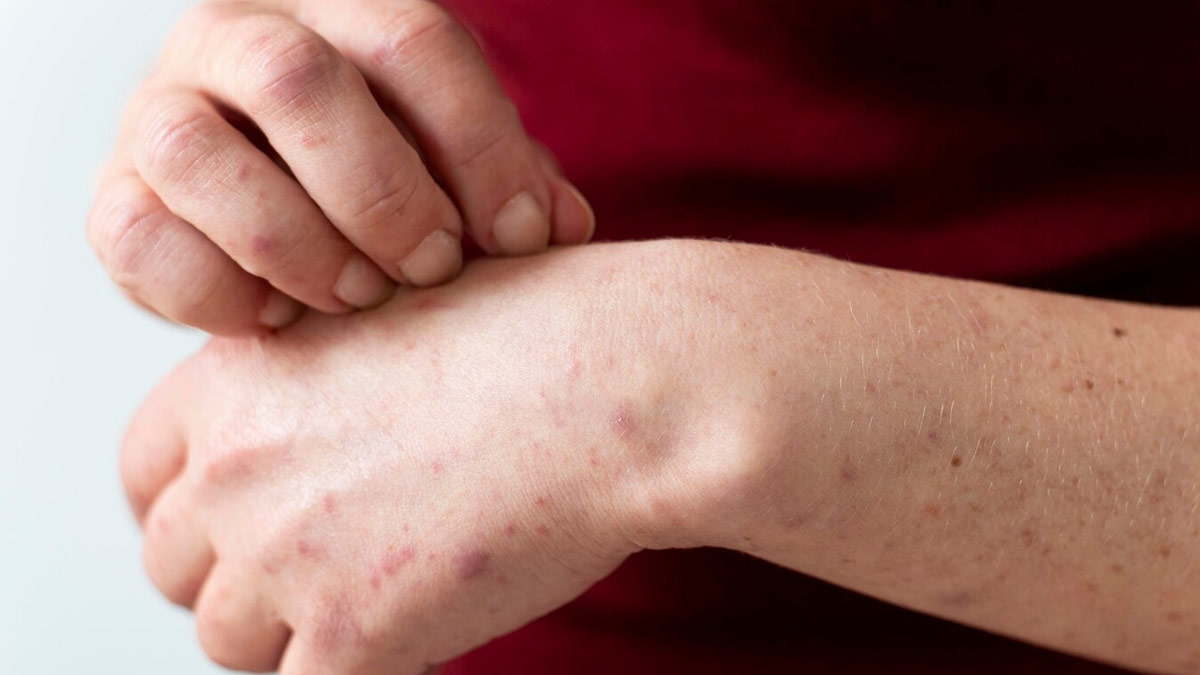
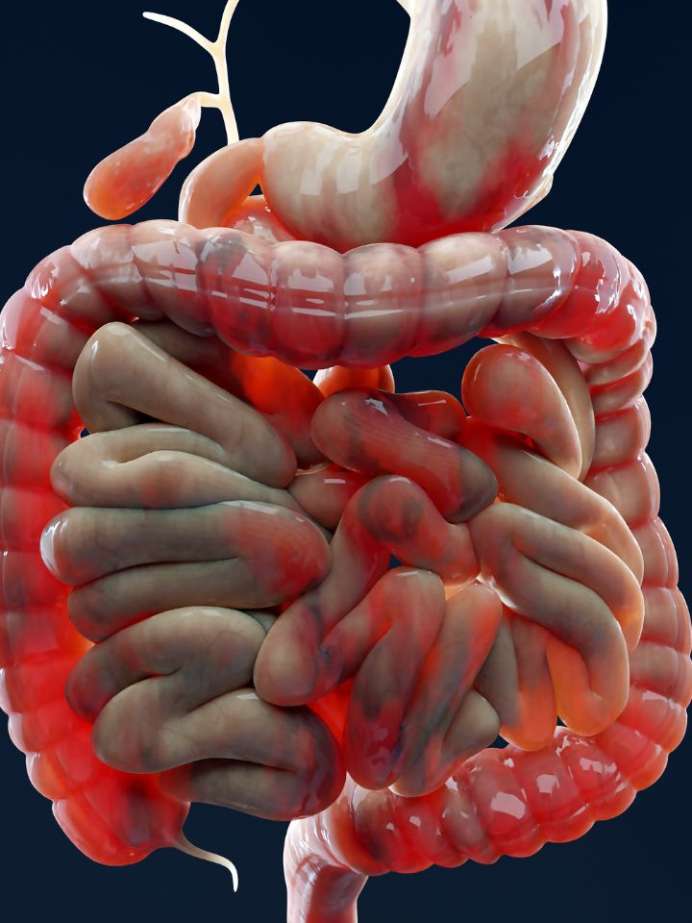
Many people with Crohn’s experience inflammation outside the gut that can affect joints, eyes, skin, gallbladder, kidneys, and bones. Recognizing these signs can help patients and clinicians connect seemingly unrelated symptoms to Crohn’s disease and prompt appropriate evaluation.
Adults with Crohn’s disease or suspected IBD, newly diagnosed patients, caregivers, and clinicians managing multi-system symptoms.
This article summarizes six extraintestinal (non-gut) symptoms and complications that commonly occur with Crohn’s disease — joints and tendon pain, eye inflammation, skin conditions, gallstones, kidney stones, and low bone density/fractures — and explains that these may precede or accompany intestinal symptoms.
It’s written for a general audience and cites prevalence estimates and guidance (e.g., see a dermatologist for skin findings or a doctor for eye pain) but does not report new research results or trial data. The piece is practical: it highlights warning signs that should prompt discussion with a clinician rather than offering diagnostic claims.
If you have unexplained joint, eye, skin, stone-related, or bone problems alongside GI symptoms, mention both to your GI and primary care team so they can evaluate whether they might be related to Crohn’s disease.
This is a mainstream news/patient-education article summarizing known extraintestinal manifestations of Crohn’s using prevalence estimates and expert quotes; it is not a primary research report. It emphasizes symptom recognition and communicating with clinicians rather than providing diagnostic criteria or treatment guidance.
Review the original publication for the complete reporting, methods, and context.
This Cure8 brief is based on source text from the linked article. Cure8 is informational only and is not a substitute for professional medical advice, diagnosis, or treatment.
Crohn’s can cause inflammation beyond the gut, so non-digestive symptoms may signal active disease or complications. Early recognition and multidisciplinary care can help manage these issues.
common Crohn’s symptoms that could prompt someone to seek medical evaluation. Recognizing these signs early may lead to diagnosis or help with managing flare awareness.
Skin patches and other non‑digestive symptoms can be part of Crohn's disease and may prompt further evaluation. Knowing these signs could help people seek earlier assessment from a GP.