Patients with enterovesical fistulas and ileal pouches may face unique aspiration and airway risks during procedures that use continuous irrigation; recognizing this pathway could change monitoring and airway/drainage choices during surgery.
Who Should Pay Attention
Surgeons, anesthetists, urologists, clinicians managing pouch/ostomy patients, and patients with ileal pouches or enterovesical fistulas.
Study Snapshot
Story typeClinical Reference
Evidence typeResearch paper
Source depthJournal abstract
What To Know
This case report describes a patient with a chronic enterovesical fistula after restorative proctocolectomy with an ileal J-pouch and loop ileostomy who experienced intraoperative regurgitation of irrigation fluid into the oropharynx during cystolithotripsy.
The authors propose that irrigation fluid tracked retrograde from the bladder through the fistula into the ileal pouch and small bowel, distending the ileostomy and leading to regurgitation despite a supraglottic airway.
Key practical points highlighted by the report are: treat urinary–gastrointestinal fistulas as independent aspiration risks during procedures with continuous irrigation; use gastric-channel drainage when a supraglottic airway is in place; and monitor irrigation input, irrigation return, stomal output, and core temperature during such procedures.
The report did not find evidence of aspiration on imaging or blood gases and the patient recovered and was discharged on postoperative day 7.
Keep In Mind
Single-case report; structured content is based on the article abstract and not on broader evidence. The proposed mechanism is plausible but not proven as a common occurrence.
Source Details
Review the original publication for the complete reporting, methods, and context.
This Cure8 brief is based on source text from the linked article. Cure8 is informational only and is not a substitute for professional medical advice, diagnosis, or treatment.
The study shows pouchitis is a frequent postoperative problem in children after RPC‑IPAA and that many will still require advanced IBD medications, so surgery may not end medical therapy needs.
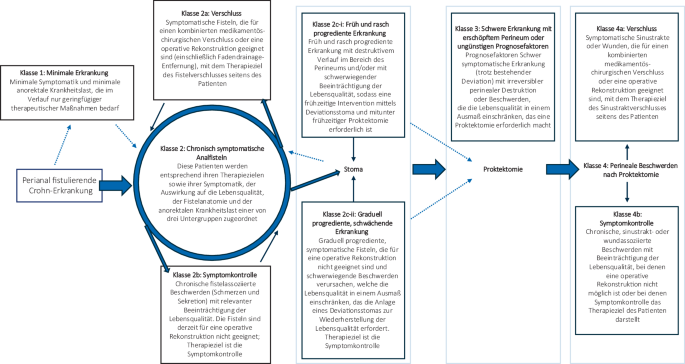
Perianal Crohn’s disease causes major symptoms and affects long-term outcomes; understanding surgical options and the role of combined medical–surgical care can help patients and clinicians plan treatment. The review...
If your Crohn’s gets worse, your care plan may change — from new medicines to nutritional support or surgery — and this article summarizes common steps doctors take to prevent complications and control inflammation.