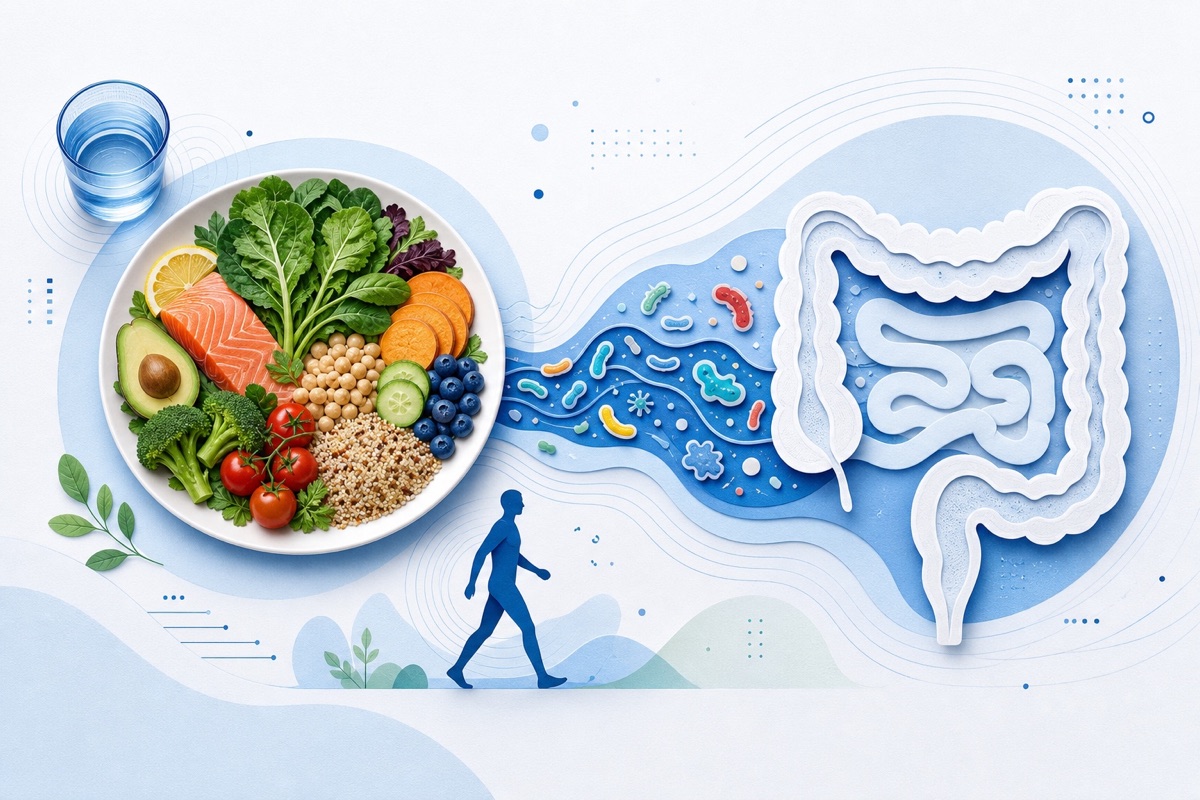
Dietary prevention of undernutrition reduces intestinal inflammation associated with an anti-inflammatory profile of gut microbiota in a preclinical model
Undernutrition and lean-mass loss are common and harmful in people with IBD. If dietary strategies can prevent weight and muscle loss and shift the gut microbiota toward SCFA producers, that could be relevant to inflammation and outcomes—though evidence here is from a mouse model.
Who Should Pay Attention
Researchers studying IBD, microbiome, and nutrition; clinicians interested in nutritional approaches for IBD; and patients curious about links between diet, weight loss, and gut bacteria (with the caveat that this is preclinical).
Study Snapshot
Story typeResearch paper
Evidence typeResearch paper
Source depthJournal abstract
What To Know
The report describes an experimental DSS-colitis model in male C57BL/6 mice fed either an enriched diet (higher calories and milk fat) or a standard diet for 31 days; colitis was induced with 1% DSS for 7 days and outcomes included body composition, colon weight/length ratio, fecal calprotectin, and 16S sequencing of cecal microbiota.
The main findings presented in the abstract are that mice on the enriched diet did not lose body weight or lean/fat mass with DSS, whereas standard-diet mice did; lean mass loss correlated with markers of colitis severity.
The enriched diet was associated with increased abundance of SCFA-producing bacteria (Eisenbergiella tayi and Vescimonas coprocola), which the authors link to possible anti-inflammatory properties.
Keep In Mind
Findings are from a DSS-induced colitis model in mice and summarized from the article abstract. This is not clinical evidence; translation to human IBD requires clinical studies.
Source Details
Review the original publication for the complete reporting, methods, and context.
This Cure8 brief is based on source text from the linked article. Cure8 is informational only and is not a substitute for professional medical advice, diagnosis, or treatment.
This study suggests that higher intake of specific fibers (beta‑glucan and inulin) may be linked to lower Crohn’s risk in people with a family history, and it connects those fibers to biomarkers of inflammation, barrier...
Dietary strategies like the Mediterranean diet and time-restricted feeding could be low-risk ways to influence gut microbiota, short-chain fatty acids, and inflammation in people with ulcerative colitis; this trial will...
Diet quality was linked to gut microbiome features and exploratory differences in inflammatory markers and symptoms in adults with Crohn disease from Puerto Rico; understanding these links may help tailor dietary...