Multi-matrix metabolome and microbiome profiling in diarrhea-predominant irritable bowel syndrome and ulcerative colitis in remission with IBS-like symptoms
This study suggests that patients with UC in remission who still have IBS-like diarrhea symptoms may have distinct tryptophan-related metabolic signatures compared with people who have IBS-D alone. Understanding these differences could guide research into targeted biomarkers or therapies in the future.
Who Should Pay Attention
Researchers studying microbiome–metabolome interactions, clinicians caring for patients with UC in remission who report IBS-like symptoms, and adult patients interested in mechanisms behind persistent bowel symptoms.
Study Snapshot
Story typeResearch paper
Evidence typeResearch paper
Source depthJournal abstract
What To Know
This paper reports an exploratory cross-sectional study comparing metabolome and microbiome profiles across multiple sample types (serum, urine, feces, colonic mucosa) in three groups: diarrhea-predominant IBS (IBS-D), ulcerative colitis in remission with IBS-like symptoms (UCR-IBS), and healthy controls.
The authors performed untargeted metabolomics, targeted tryptophan profiling, fecal 16S sequencing, predicted microbial functional profiling, and microbe–metabolite network analyses.
Key reported differences focused on tryptophan-related pathways: UCR-IBS had higher serum N-formylkynurenine and fecal patterns suggesting reduced microbiota-associated indole metabolites compared with IBS-D. Predicted nicotinate/nicotinamide metabolism was enriched in UCR-IBS, and modest microbiome composition differences were noted.
These results are presented as hypothesis-generating and provide a basis for future work exploring host–microbiota metabolic relationships during UC remission. They do not establish clinical diagnostic tests or treatments.
Keep In Mind
Structured content depth: abstract — the brief is grounded in the article abstract provided by the journal. The study is exploratory and cross-sectional with modest group sizes; findings are hypothesis-generating and require confirmation in larger or longitudinal studies.
Source Details
Review the original publication for the complete reporting, methods, and context.
Funding disclosed by the source: the National Key Research and Development Program, award 2025YFC3408601; China Health and Medical Development Foundation, award 2022-HX-6
This Cure8 brief is based on source text from the linked article. Cure8 is informational only and is not a substitute for professional medical advice, diagnosis, or treatment.
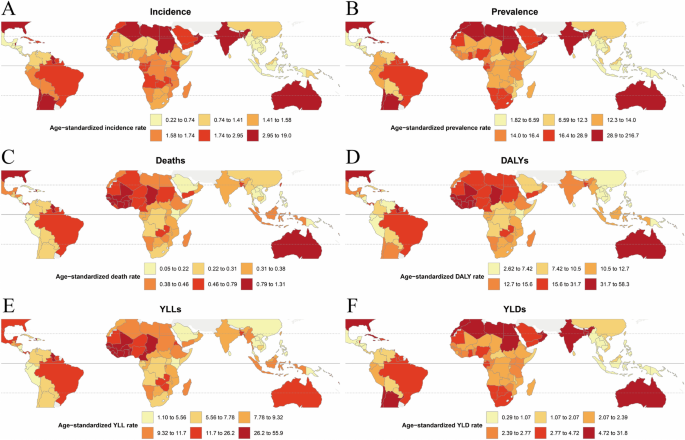
The work links climate and sociodemographic context to IBD burden in tropical regions, which can influence diagnostic recognition, resource needs, and research priorities for communities where IBD is rising.
The study suggests a traditional Chinese medicine formula can reduce disease signs in a mouse model of chronic relapsing ulcerative colitis and that its effects are mediated by changes in the gut microbiota and microbial...
Persistent diarrhea is a common, quality-of-life–limiting problem in ulcerative colitis; this review synthesizes how epithelial transport, barrier damage, immune signaling, mitochondria, and microbiota interact and...