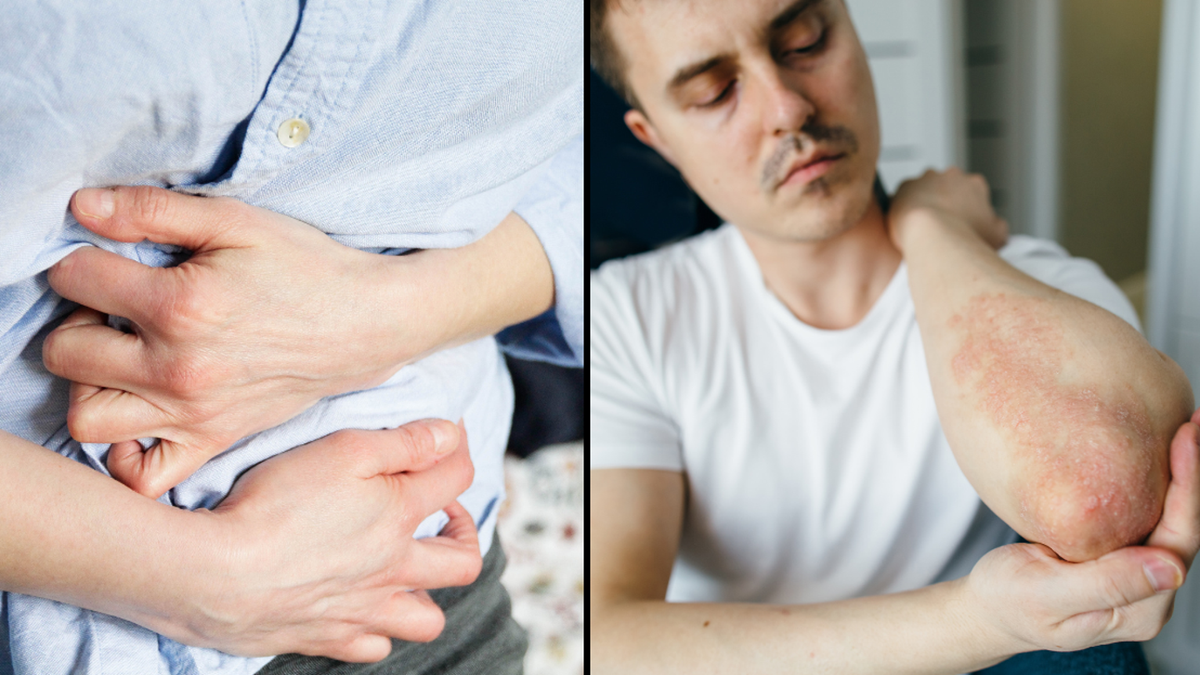
This review summarizes who gets Crohn’s disease, likely causes, and modifiable risk factors (notably smoking). That context helps patients and clinicians understand disease origins and the basis for some preventive advice and research directions.
Who Should Pay Attention
Adult patients with Crohn’s disease or newly diagnosed IBD, clinicians managing IBD, and researchers studying IBD causes or prevention.
Study Snapshot
Story typeResearch paper
Evidence typeClinical study
Source depthFull source text
What To Know
This PubMed abstract reviews epidemiology and proposed pathogenesis of Crohn’s disease.
It summarizes age distribution (peaks 15–30 and >60), slight female predominance, variable incidence and prevalence, and a multifactorial model involving genetics, environmental/antigenic triggers, and immune activation (abnormal T-cell activation, cytokines, adhesion molecules).
It notes smoking as a consistent risk factor and mentions infectious agents (measles virus referenced) and controversial roles for oral contraceptives and diet. What this means: the article is a review-style summary rather than a treatment report.
It highlights that Crohn’s disease likely arises from interactions between genes, immune responses, and environmental exposures, and that smoking worsens risk and disease course. If you want to read more: the PubMed page links to the abstract and MeSH terms and can point to the original full report for detailed methods and references.
Keep In Mind
This is a summary-style PubMed abstract of epidemiology/pathogenesis; it reports hypotheses and associations rather than definitive causes. Findings on infectious triggers, diet, and hormones are described as controversial; smoking is the most consistently associated modifiable risk factor.
The article should be read as background science, not guidance for immediate treatment changes.
Source Details
Review the original publication for the complete reporting, methods, and context.
Clinical studyArticle type assigned from Cure8 classification; confirm details in the original source.
Publicationpubmed.ncbi.nlm.nih.gov
Indexed viaGoogle News
Source typeResearch paper
PublishedJan 13, 2025, 6:57 PM
Content availableFull source text
This Cure8 brief is based on source text from the linked article. Cure8 is informational only and is not a substitute for professional medical advice, diagnosis, or treatment.
The review brings together evidence that genetics, immune responses, the gut microbiome, and environmental triggers interact to cause Crohn's disease and ulcerative colitis.
Environmental pollutants are increasingly linked to Crohn's disease risk, especially when exposures occur in early life. Understanding these links may help explain rising IBD rates and guide future prevention research.
The study suggests a possible link between psoriasis, leaky gut, and Crohn’s disease—topics that could help explain why some people with psoriasis report more gut problems. People with psoriasis or IBD may find the...
![[Epidemiology and pathogenesis of Crohn's disease] - PubMed](https://cdn.ncbi.nlm.nih.gov/pubmed/persistent/pubmed-meta-image-v2.jpg)