Exploration of international differences in preoperative characteristics, indications, postoperative management and endoscopic recurrence rates in patients with Crohn's disease following ileocolic (re-)resection: first outcomes from the IMPACT consortium.
Postoperative recurrence after ileocolic resection is common and management varies between countries; understanding these differences can inform expectations about surveillance and preventive treatment after surgery.
Who Should Pay Attention
Patients with Crohn’s disease (post-surgery), clinicians providing perioperative and postoperative care, and researchers studying surgical outcomes and recurrence.
Study Snapshot
Story typeResearch paper
Evidence typeResearch paper
Source depthJournal abstract
What To Know
This study pooled prospective cohorts from the Netherlands, France, Canada, and the USA to compare patient characteristics, perioperative management, and endoscopic recurrence after ileocolic resection (including re-resection) for Crohn’s disease.
Key reported differences included timing and indication for primary surgery, smoking rates, prior biologic exposure, rates of postoperative prophylaxis, and how often ileocolonoscopy within 12 months was performed.
Endoscopic recurrence (modified Rutgeerts ≥ i2b) after primary resection varied between countries (15%–41%) and showed different rates after re-resection as well.
The report highlights real-world international variation rather than testing a single intervention; it summarizes observed rates and practice differences across cohorts and emphasizes that surveillance and prophylactic treatment use differ by country.
If you are reading this as a patient, note the paper focuses on group-level differences between health systems and cohorts; individual risk and local practices may differ. If you are a clinician or researcher, the findings point to variation in care and outcomes that may merit harmonized surveillance and prevention strategies.
Keep In Mind
Findings are from pooled prospective cohorts (abstract-level summary). Differences reported are observational and may reflect healthcare-system and cohort selection factors rather than causal effects.
Source Details
Review the original publication for the complete reporting, methods, and context.
Funding disclosed by the source: Falk Pharma Benelux, -outside the submitted work
This Cure8 brief is based on source text from the linked article. Cure8 is informational only and is not a substitute for professional medical advice, diagnosis, or treatment.
Surgery remains an important treatment option for Crohn’s disease and may be considered earlier for some patients. Decisions about timing, technique, and perioperative care can affect long-term outcomes and recurrence...
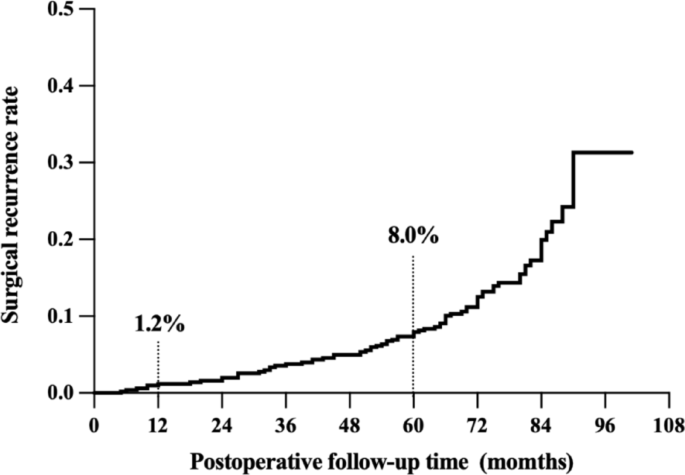
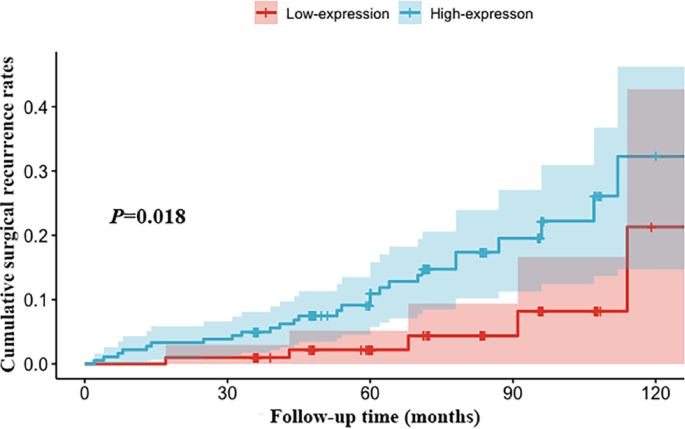
The study highlights factors linked to needing another operation after ileocecal resection for Crohn’s disease and suggests postoperative biologic therapy may lower long-term reoperation risk. That directly affects...
People with Crohn’s who have had ileal or ileocolic surgery often worry about needing another operation; this study seeks clinical and biomarker predictors to estimate that risk. Understanding predictors could help...