Predictors of time to surgical recurrence after ileal or ileocolonic resection in Crohn’s disease: role of integrin αvβ6 and development of a predictive nomogram
People with Crohn’s who have had ileal or ileocolic surgery often worry about needing another operation; this study seeks clinical and biomarker predictors to estimate that risk. Understanding predictors could help tailor postoperative monitoring and treatment decisions.
Who Should Pay Attention
Post-surgery Crohn’s patients; colorectal surgeons; gastroenterologists; researchers interested in surgical outcomes and biomarkers.
Study Snapshot
Story typeResearch paper
Evidence typeResearch paper
Source depthMetadata only
What To Know
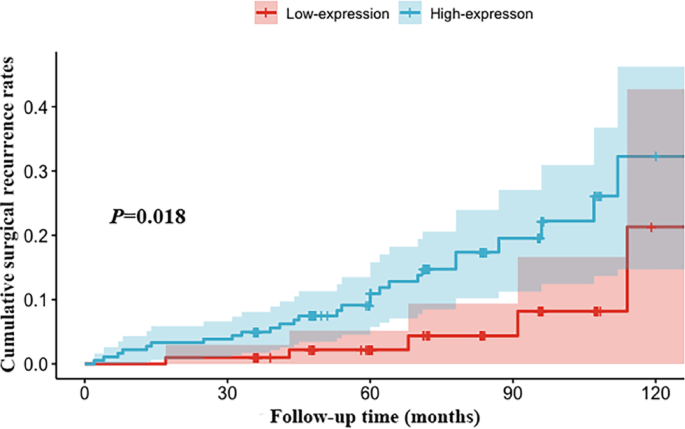
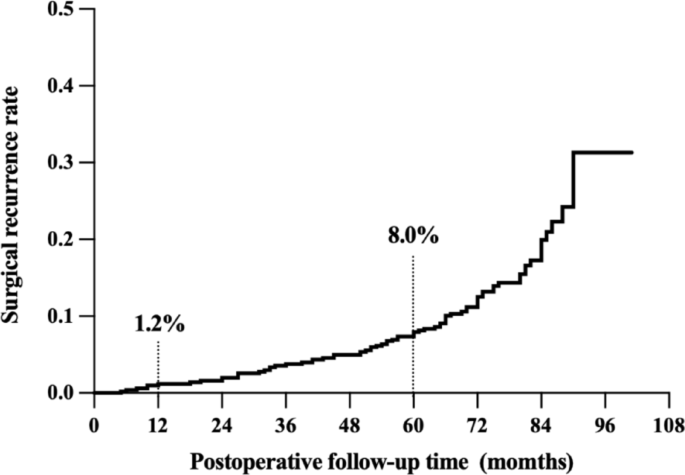
This article reports a clinical study analyzing predictors of time to surgical recurrence after ileal or ileocolonic resection in Crohn’s disease and describes a predictive nomogram, with a specific focus on the role of the integrin αvβ6 biomarker.
The study appears to combine clinical/surgical data with tissue or molecular markers (integrin αvβ6) to model risk of post-operative recurrence and to produce a nomogram intended to estimate time to reoperation. Findings are presented in the context of prior surgical-recurrence literature and postoperative management strategies.
If you are reading this because you or someone you care for has had ileal or ileocolic resection, the paper is relevant to understanding research into who may be at higher risk for needing another surgery and how biomarkers like integrin αvβ6 are being investigated as predictors.
Keep In Mind
This entry is based on the journal article metadata and extracted text. Review the full paper for details on study population, how integrin αvβ6 was measured, nomogram performance, and whether the model was externally validated.
Source Details
Review the original publication for the complete reporting, methods, and context.
Funding disclosed by the source: Key Research and Development Program of Zhejiang Province, award 2024C03170; National Natural Science Foundation of China, award 82303384
This Cure8 brief is based on source text from the linked article. Cure8 is informational only and is not a substitute for professional medical advice, diagnosis, or treatment.
The study highlights factors linked to needing another operation after ileocecal resection for Crohn’s disease and suggests postoperative biologic therapy may lower long-term reoperation risk. That directly affects...
Surgery remains an important treatment option for Crohn’s disease and may be considered earlier for some patients. Decisions about timing, technique, and perioperative care can affect long-term outcomes and recurrence...