This study highlights a potential microbiome–bile acid–immune pathway that could be relevant to ulcerative colitis and suggests a traditional herbal formula may influence that pathway in mice. Patients interested in microbiome-targeted or complementary therapies may find the mechanism-focused results of interest.
Who Should Pay Attention
Researchers studying IBD mechanisms, microbiome and bile-acid interactions, clinicians interested in emerging preclinical evidence, and patients curious about microbiome-targeted or complementary approaches (with caution).
Study Snapshot
Story typeResearch paper
Evidence typeResearch paper
Source depthFull source text
What To Know
This animal and laboratory study reports that Gegen Qinlian Decoction (GQD), a Traditional Chinese Medicine formula, reduced colitis severity in a mouse model (high-fat diet + DSS) and altered gut bacteria and bile acid profiles.
The authors link these changes to reduced activation of the NLRP3 inflammasome and lower markers of pyroptosis and inflammation in colon tissue and in cell experiments.
The study used 16S rRNA sequencing, targeted bile-acid metabolomics, transcriptomics, Western blot/ELISA, fecal microbiota transplantation, molecular docking, and in vitro Caco-2 cell assays to probe mechanisms.
Key reported findings include increased Akkermansia, shifts from primary toward secondary bile acids (including higher DCA), and reduced expression of NLRP3 pathway proteins and IL-18. This is preclinical research (mouse model and cell lines) exploring mechanisms rather than a clinical trial.
It suggests the gut microbiota–bile acid–NLRP3 axis as a possible target for therapies, but does not provide evidence that GQD is safe or effective in people with UC.
Keep In Mind
This is a preclinical mechanistic study using mice and cell lines; findings do not establish safety or efficacy in humans. Ingredients and doses in traditional formulas vary and clinical effects can differ. Human clinical trials would be needed before recommending GQD for UC.
Source Details
Review the original publication for the complete reporting, methods, and context.
Research paperEvidence type derived from source or registry metadata.
PublicationFrontiers in immunology
AuthorsWang H, Ou G, Xu H +7 more
Study typeResearch Article, journal article
Indexed viaEurope PMC
Source typeResearch paper
PublishedOct 19, 2026, 12:00 AM
Content availableFull source text
This Cure8 brief is based on source text from the linked article. Cure8 is informational only and is not a substitute for professional medical advice, diagnosis, or treatment.
Persistent diarrhea is a common, quality-of-life–limiting problem in ulcerative colitis; this review synthesizes how epithelial transport, barrier damage, immune signaling, mitochondria, and microbiota interact and...
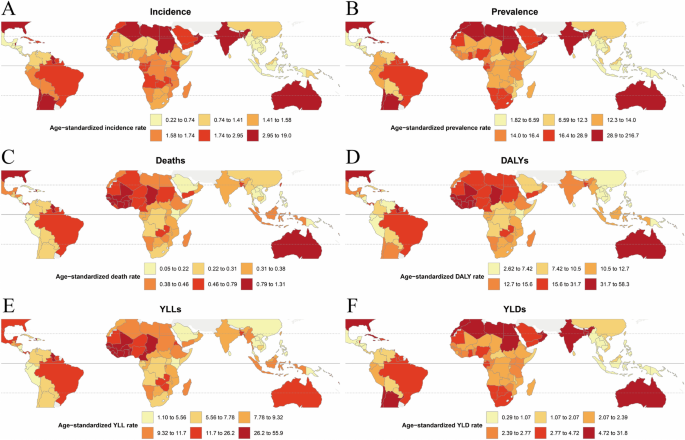
The work links climate and sociodemographic context to IBD burden in tropical regions, which can influence diagnostic recognition, resource needs, and research priorities for communities where IBD is rising.
The study suggests a traditional Chinese medicine formula can reduce disease signs in a mouse model of chronic relapsing ulcerative colitis and that its effects are mediated by changes in the gut microbiota and microbial...