Fungi in the gut (the mycobiome) are altered in IBD, especially Crohn’s disease, and these changes may relate to persistent inflammation and be a source of future biomarkers or treatments. This helps explain one possible microbial contribution to disease beyond bacteria.
Who Should Pay Attention
Researchers studying microbiome, clinicians interested in IBD biomarkers or microbial drivers of disease, and patients with Crohn’s disease or ulcerative colitis who follow microbiome research.
Study Snapshot
Story typeResearch paper
Evidence typeSystematic review
Source depthJournal abstract
What To Know
This systematic review and meta-analysis pooled 28 human studies that used ITS sequencing or shotgun metagenomics to compare gut fungal (mycobiome) communities in people with IBD versus non-IBD controls.
The authors report that Crohn’s disease shows a consistent reduction in fungal alpha diversity and that IBD in general has distinct fungal community composition (beta diversity). Expansion of Candida species and depletion of Saccharomyces cerevisiae were frequently observed; Malassezia was linked to mucosal inflammation and CARD9-related responses.
The review also highlights fungal–bacterial interactions (for example Candida with E.
coli and Serratia) and describes persistent mycobiome alterations even during clinical remission, which the authors call a “mycobiotic scar.” Key details from the paper: the review followed PRISMA methodology, searched multiple databases through March 2026, included ITS-based sequencing or shotgun metagenomics studies, and used Newcastle–Ottawa Scale for quality assessment.
The review was not prospectively registered; results are summarized in the article abstract. If you have IBD and are curious: this paper summarizes research showing that fungal community shifts are common in IBD and may relate to inflammation and treatment response, but it does not test an intervention or provide clinical recommendations.
Ask your clinician if microbiome testing or fungal-targeted research is relevant to your care.
Keep In Mind
This entry is based on the article abstract and meta-analysis summary (structured content depth: abstract). The review pooled observational sequencing studies; it describes associations not proven causal effects. The review was not prospectively registered, which is a methodological note.
Microbiome findings vary by cohort, methods, and clinical factors; clinical application (testing or antifungal treatments) is not established by this review.
Source Details
Review the original publication for the complete reporting, methods, and context.
This Cure8 brief is based on source text from the linked article. Cure8 is informational only and is not a substitute for professional medical advice, diagnosis, or treatment.
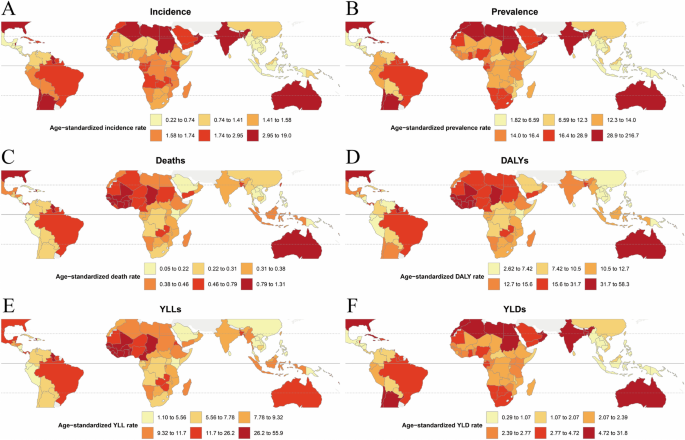
The work links climate and sociodemographic context to IBD burden in tropical regions, which can influence diagnostic recognition, resource needs, and research priorities for communities where IBD is rising.
Early evidence suggests micro- and nanoplastics might worsen intestinal inflammation and interact with IBD-related processes (barrier function, microbiome, healing). This could matter for patients because environmental...
This review reframes IBD as a systemic disease influenced by gut microbes, metabolism, and immune interactions — which matters because it points toward better ways to stratify patients, monitor disease, and personalize...