Annals of internal medicine
Cure8 research brief
Inflammatory Bowel Disease.
Diet and lifestyle
Systematic Review or Meta Analysis
Adult patients
Clinicians
Newly Diagnosed
Inflammatory bowel disease
Cure8 research brief
People with IBD need more than flare control: they also require proactive preventive care (vaccination, cancer screening, bone and nutrition checks, and mental health support) because of risks from chronic inflammation and immunosuppression.
Adults with IBD, newly diagnosed patients, primary care clinicians, gastroenterologists
The article emphasizes that beyond controlling intestinal inflammation, people with IBD face long-term risks from chronic inflammation and immunosuppressive treatments (infection risk, cancer risk, bone loss, nutritional deficiencies, and mental health conditions).
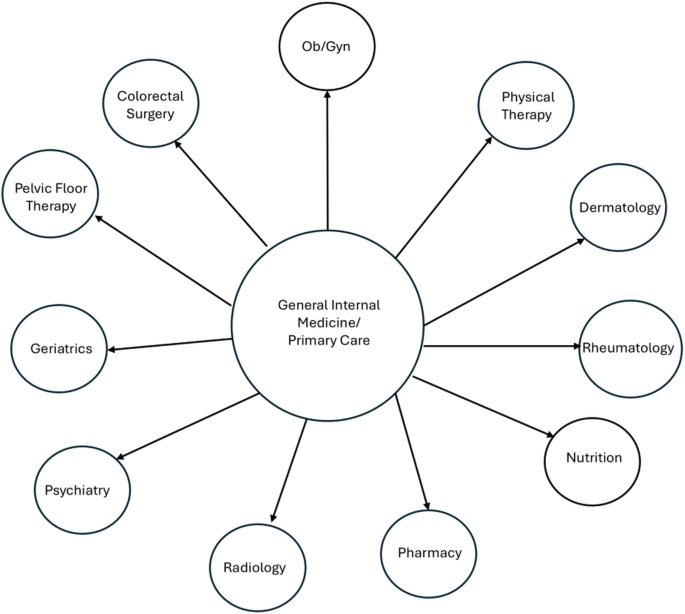
It recommends proactive, structured outpatient care and clear shared responsibilities between gastroenterologists and primary care clinicians to deliver vaccinations, appropriate cancer surveillance, bone health monitoring, nutrition assessment, and psychosocial support.
This summary is based on the article abstract in Annals of Internal Medicine. The abstract outlines general, evidence-based outpatient health maintenance priorities but does not include full protocols or detailed timing — consult the full article or guideline documents for implementation.
Review the original publication for the complete reporting, methods, and context.
Conflict statement: Disclosures: All relevant financial relationships have been mitigated. Disclosure forms are available with the article online.
This Cure8 brief is based on source text from the linked article. Cure8 is informational only and is not a substitute for professional medical advice, diagnosis, or treatment.
People with IBD commonly have extraintestinal symptoms (mood disorders, fatigue, pain, nutritional problems) that affect quality of life and need proactive identification and management in primary care.
Vitamin D deficiency is common in people with IBD and may relate to disease activity, complications, and quality of life; understanding this link could influence monitoring and adjunctive care.
Unintentional weight loss and malnutrition are common in Crohn’s and can affect energy, healing, and treatment. Practical diet and monitoring steps can help manage weight and nutrition. Working with your healthcare team...