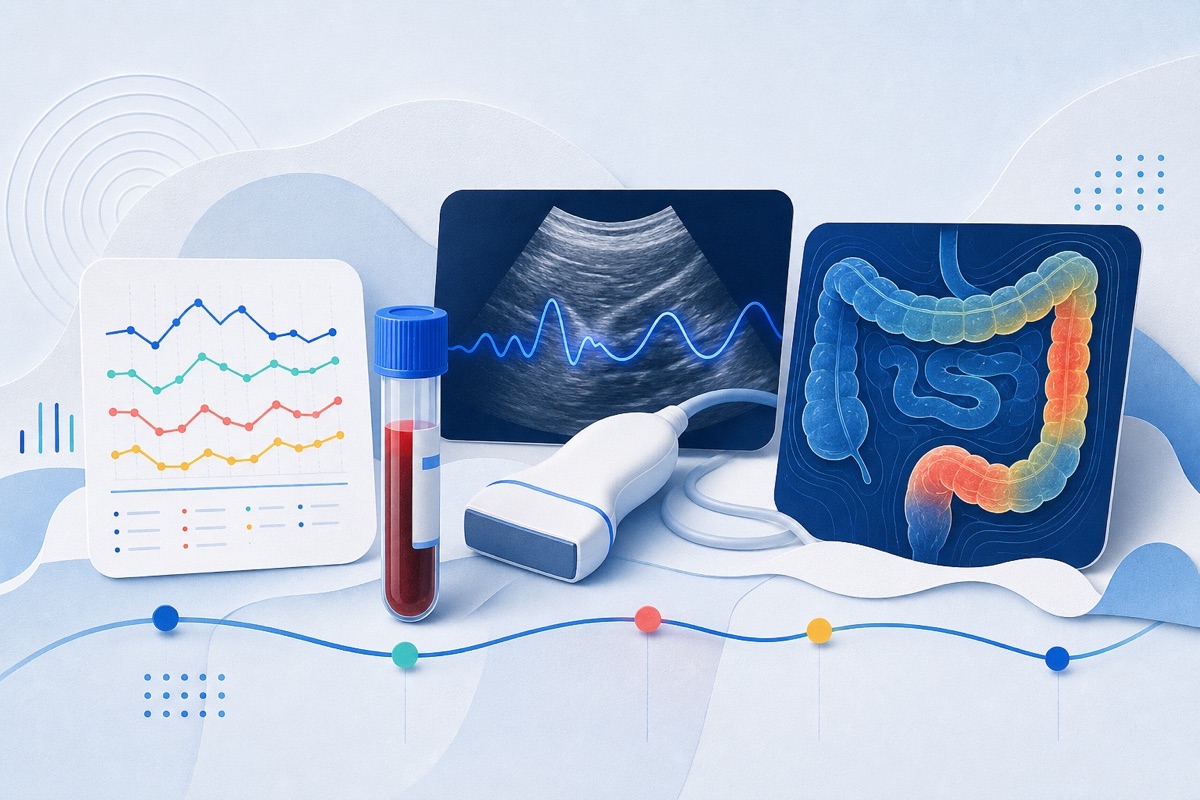
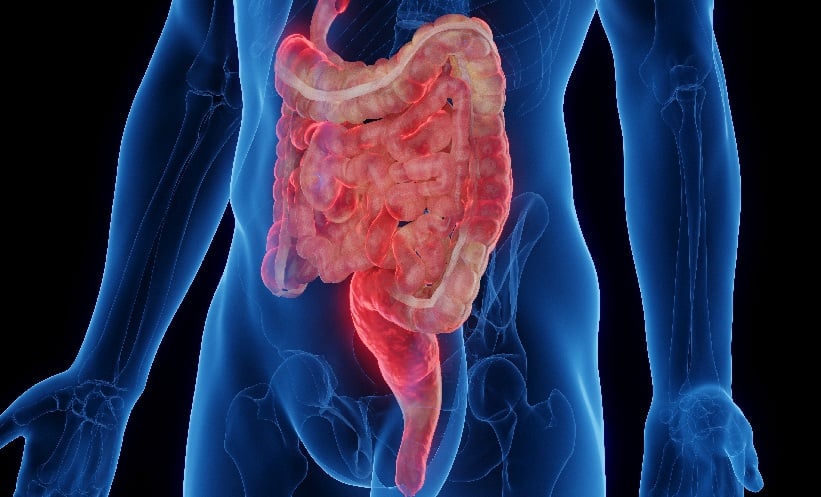
This study suggests intestinal ultrasound findings early after diagnosis — especially achieving “transmural remission” within 3 months — may predict better 1-year outcomes (sustained steroid-free remission and less need for treatment escalation) and may help identify patients at higher surgical risk.
Who Should Pay Attention
Adults with newly diagnosed Crohn’s disease, clinicians who manage IBD (gastroenterologists, IBD nurses, radiologists/sonographers), and researchers studying imaging biomarkers or treatment stratification.
Study Snapshot
Story typeResearch news
Evidence typeClinical study
Source depthFull source text
What To Know
This article summarizes a prospective, population-based cohort study assessing intestinal ultrasound (IUS) findings in adults newly diagnosed with Crohn’s disease and their association with outcomes during the first year.
Key reported findings: about 38% of patients had transmural remission by 3 months and 41% by 12 months; early transmural remission at 3 months was linked with sustained steroid-free clinical remission and lower rates of treatment escalation through 12 months. Higher baseline BMI was associated with lower likelihood of long-term transmural remission.
The IBUS-SAS score in the terminal ileum at diagnosis predicted ileocecal resection risk within the first year.
Keep In Mind
This is a cohort study summarized from Clinical Gastroenterology and Hepatology; it reports associations over the first year but does not itself establish treatment recommendations. IUS scoring systems (like IBUS-SAS) and thresholds may need further validation before routine use to guide individual treatment changes.
The original journal article may have detailed methods and limitations worth reviewing.
Source Details
Review the original publication for the complete reporting, methods, and context.
This Cure8 brief is based on source text from the linked article. Cure8 is informational only and is not a substitute for professional medical advice, diagnosis, or treatment.
Noninvasive tests at 3 months after ileocecal resection (ultrasound + fecal calprotectin) may identify patients at high risk of endoscopic recurrence by 6 months. That could help avoid or target postoperative endoscopy...
This study suggests using both faecal calprotectin and intestinal ultrasound together can better identify patients who reach deeper, transmural healing — and those patients had lower risk of bowel-damage progression....
A reliable, accurate intestinal ultrasound could make routine monitoring easier, faster, and less costly than repeated MRI for people with Crohn’s disease. The study shows strong agreement between ultrasound scores and...