The article connects everyday activities like gardening and spending time in nature to microbial exposure that some researchers link to lower rates of autoimmune and inflammatory conditions, including Crohn’s disease and IBD.
It’s relevant for people interested in lifestyle steps that may support immune and gut microbial diversity.
Who Should Pay Attention
People with IBD or Crohn’s disease who are curious about microbiome-related lifestyle ideas; caregivers and parents; readers interested in immune health and gardening.
Study Snapshot
Story typeLocal News
Evidence typePatient Education
Source depthFull source text
What To Know
This local Master Gardener column reviews the microbiome (hygiene) hypothesis and cites studies linking loss of microbial diversity to higher rates of asthma, allergies, and inflammatory bowel diseases such as Crohn’s and ulcerative colitis.
The author encourages outdoor gardening and casual soil contact as ways to increase personal microbial biodiversity and immune resilience.
The piece references the Human Microbiome Project, a 2012 Finnish pediatrics study, and an Amish/Hutterite comparative study cited in the New England Journal of Medicine, but it is an opinion/education column rather than a research report. It does not present new data or clinical recommendations.
If you have an immune-related condition, talk with your clinician before making changes based on microbiome ideas—especially if you are immunocompromised, pregnant, or have open wounds or active infections.
Keep In Mind
This is a local gardening/opinion column summarizing existing research and hypotheses (microbiome/hygiene hypothesis). It does not report new clinical trial results and does not replace medical advice. People who are immunosuppressed or have active disease should consult their healthcare provider before deliberately increasing soil exposure.
Source Details
Review the original publication for the complete reporting, methods, and context.
This Cure8 brief is based on source text from the linked article. Cure8 is informational only and is not a substitute for professional medical advice, diagnosis, or treatment.
The article highlights a reported rise in IBD among young people and reinforces that diet and lifestyle factors may influence risk and flare-ups. It reminds readers that IBD symptoms can be mistaken for common...
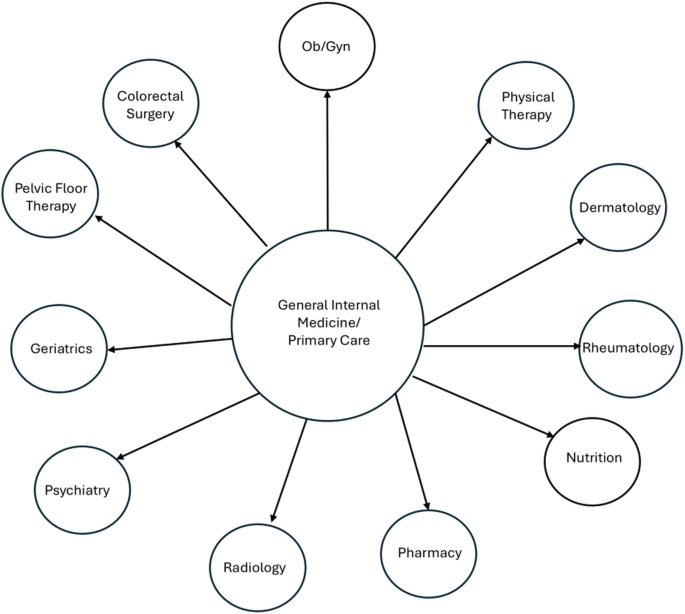
People with IBD commonly have extraintestinal symptoms (mood disorders, fatigue, pain, nutritional problems) that affect quality of life and need proactive identification and management in primary care.
After a Crohn’s or UC flare you may tolerate less fiber and need easy-to-digest foods and extra protein to support recovery. This article gives practical, food-based suggestions to help with nutrient intake while your...