
ClinicalTrials.gov
Cure8 trial brief
Cure8 trial brief
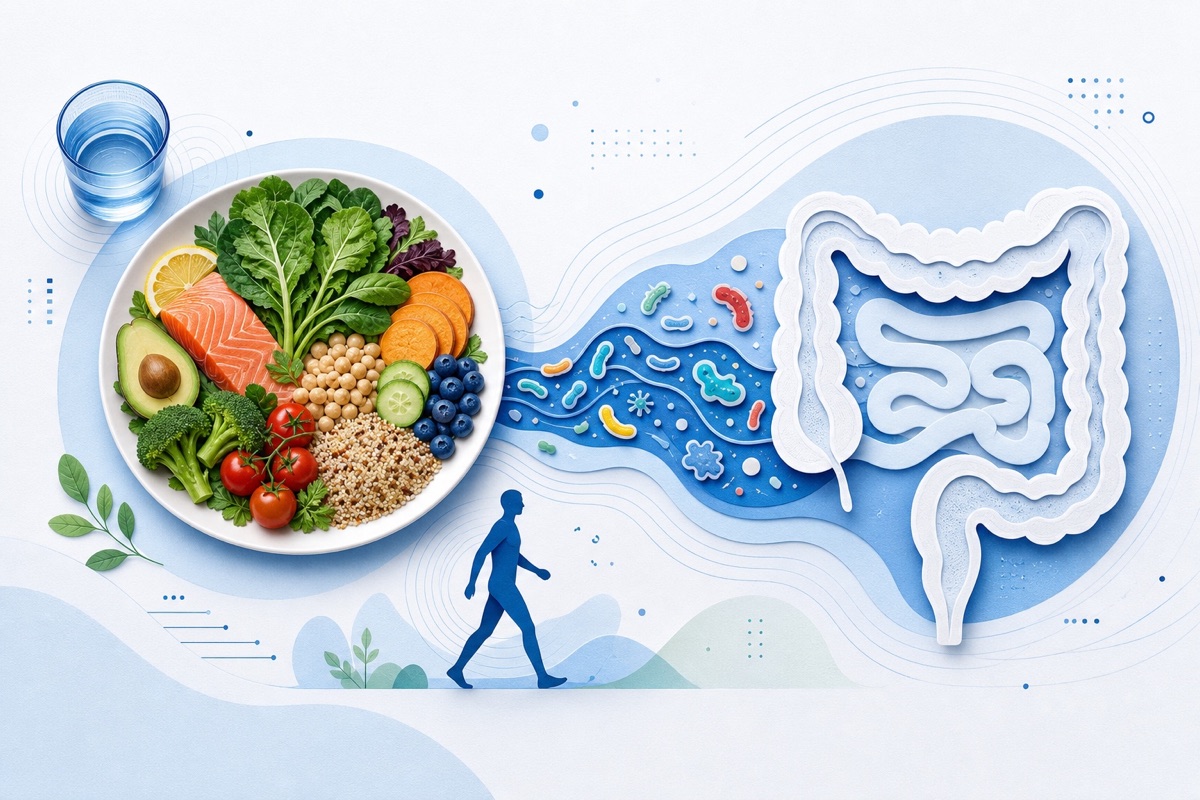
Diet can change gut microbes and their metabolites; this trial tests whether a high-protein, high-fiber diet can lower a microbe-derived compound (H2S) thought to be relevant in UC. If effective, diet-based approaches could offer a non-drug strategy to modify disease-related microbial activity.
Adults with ulcerative colitis, clinicians/dietitians treating IBD, researchers interested in microbiome-targeted dietary interventions.
This ClinicalTrials.gov record describes a planned interventional study testing a high-protein, high-fiber (HPHF) diet in adults with ulcerative colitis (UC).
The diet is designed to meet elevated protein needs while reducing colonic microbial hydrogen sulfide (H2S) production; frozen meals are provided and participants follow alternating weeks of standard and HPHF diet across a 4-week on-off cycling schedule.
The trial is not yet recruiting, plans to enroll about 40 adults with mild UC (UCEIS ≤4), and will assess fecal H2S production from stool samples at week 4 as a primary outcome. This entry is a trial record summary based on the ClinicalTrials.gov registry information; it describes the planned study design and eligibility but does not report results.
Registry entry describes planned eligibility, interventions, and a primary biomarker outcome (fecal H2S). No results are reported; the trial is not yet recruiting.
Review the original publication for the complete reporting, methods, and context.
This Cure8 brief is based on source text from the linked article. Cure8 is informational only and is not a substitute for professional medical advice, diagnosis, or treatment.
Dietary strategies that change the gut microbiome are of interest because they might modify inflammation without drugs. This study suggests PEN+ED can shift the microbiome toward a healthier profile in UC, though...
The study identifies a specific polysaccharide fraction (VPS-30) that reduced inflammation and improved gut barrier markers in cell and mouse models of colitis, suggesting a possible new functional-food lead for...
This research looks at whether donor and patient diets can influence how well fecal microbiota transplants work. For people with IBD (including Crohn’s and ulcerative colitis), improving FMT success could mean better...
