everydayhealth.com
Cure8 news brief
Cure8 news brief
Mucosal healing is a treatment goal that aims to stop internal intestinal inflammation, not just symptoms. Achieving mucosal healing is linked with fewer hospitalizations, less need for surgery, and lower rates of treatment failure.
The article explains how clinicians check for healing and what medicines and tests they commonly use.
Adults with Crohn’s disease, patients on or considering biologics or JAK inhibitors, newly diagnosed people discussing treatment goals, and gastroenterology clinicians interested in monitoring strategies.
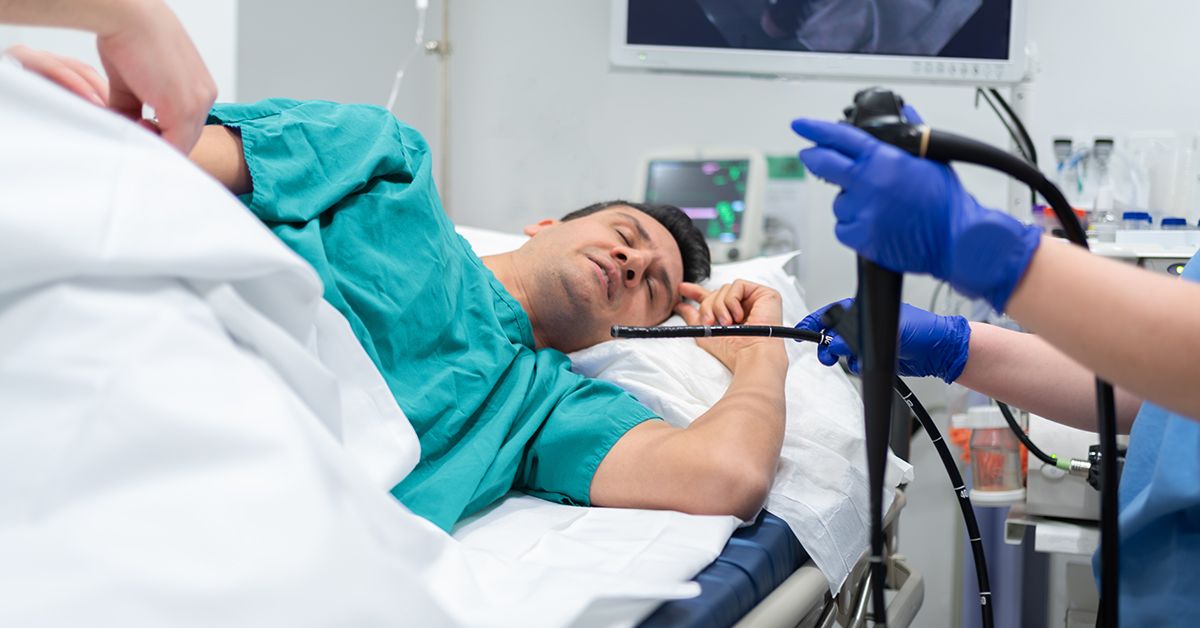
Mucosal healing means the intestinal lining shows no visible inflammation when seen on endoscopy (colonoscopy or upper endoscopy) and may be confirmed with biopsy and lab tests.
The article explains that clinicians increasingly target mucosal healing because it predicts better long-term outcomes than symptom control alone, and it lists tests used to monitor healing (endoscopy, biopsy, stool and blood markers) and medication options that can promote healing, including anti-TNF biologics, JAK inhibitors, and emerging IL-23 inhibitors.
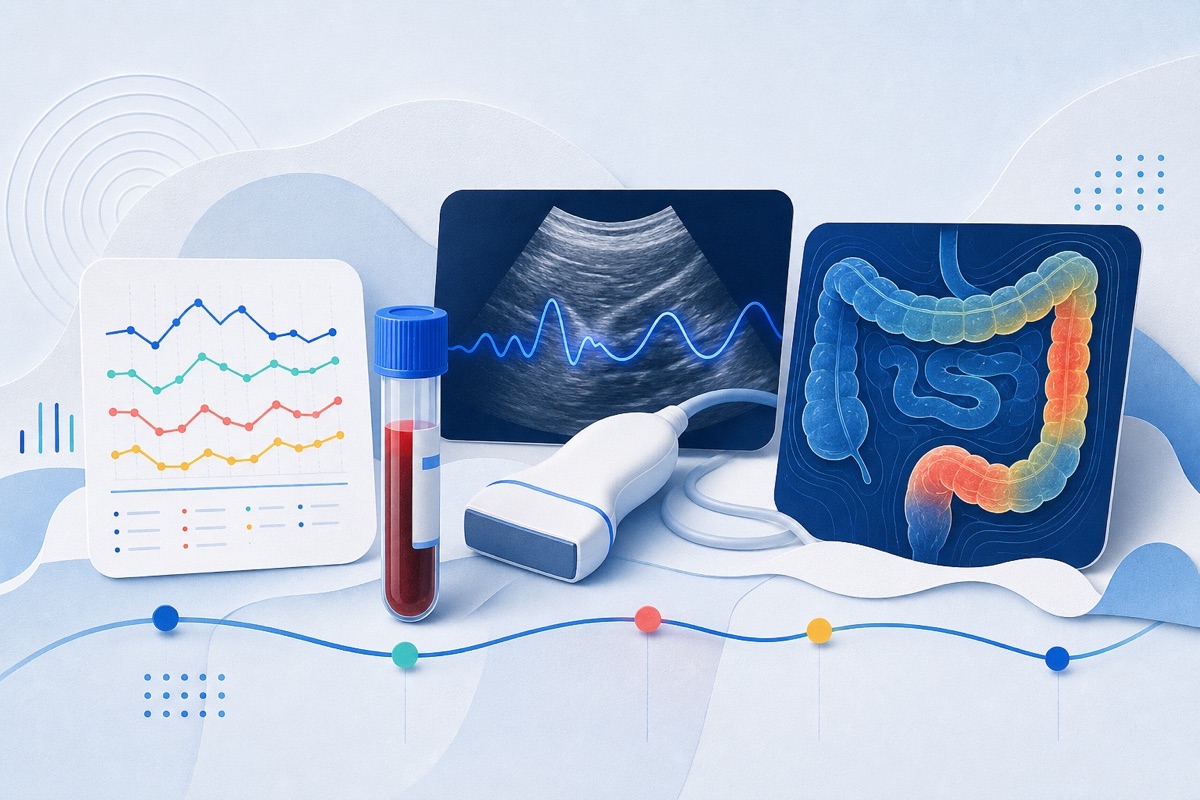
The piece is a patient-focused overview: it describes why clinicians aim for mucosal healing, how it’s assessed (endoscopy, scoring systems like STRIDE-II, biopsies, and monitoring with stool and blood tests), common complications linked to ongoing inflammation, and classes and examples of medications used to try to achieve healing.
It notes that 5-ASAs aren’t recommended for Crohn’s and that steroids are for short-term use. If you’re reading this as a patient, use it to prompt specific conversations with your gastroenterologist about treatment goals, which tests they’ll use to check mucosal healing, and why those goals may be recommended for your risk level.
This is an explanatory, patient-education article summarizing current clinical practice and guideline-based approaches (STRIDE-II is mentioned). It is not a primary research report and does not present new study data; medication choices should be discussed with a clinician because individual treatment depends on disease severity, prior therapies, and risks.
Review the original publication for the complete reporting, methods, and context.
This Cure8 brief is based on source text from the linked article. Cure8 is informational only and is not a substitute for professional medical advice, diagnosis, or treatment.
You can have active intestinal inflammation even without clear symptoms; early monitoring and tailored treatment aim to prevent complications and preserve quality of life.
The article summarizes recent drug approvals and Phase 3 trial results that could affect which biologic treatments are available and how the Crohn's disease treatment market may change. It also gives epidemiology and...
There are many new drugs and trials underway for Crohn’s disease, which could expand future treatment options. Recent phase 2 and phase 3 starts from major pharma show active investment in IBD research.