Granulomas are a classic histologic feature of Crohn’s disease, so patients and clinicians may wonder whether their presence predicts worse disease or different treatment needs. This review shows existing studies are inconsistent, meaning granulomas alone are not yet a reliable prognostic marker.
Who Should Pay Attention
Clinicians managing Crohn’s disease, gastroenterology researchers studying histologic biomarkers or immune pathways, and adult patients curious about the meaning of granulomas on biopsy.
Study Snapshot
Story typeResearch paper
Evidence typeResearch paper
Source depthMetadata only
What To Know
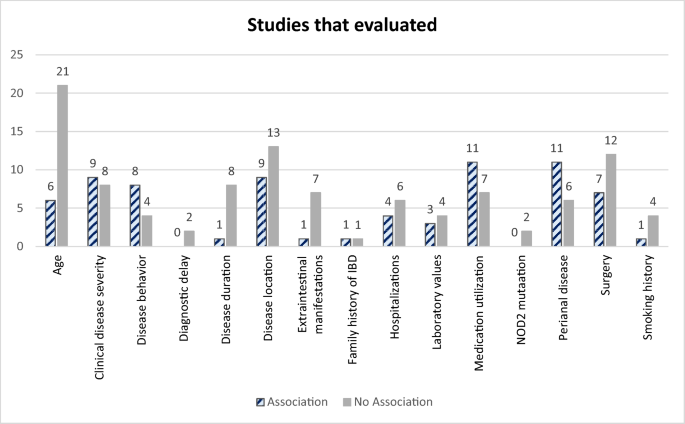
This open-access systematic review pooled and assessed 46 studies that examined whether histologic granulomas predict clinical outcomes in Crohn’s disease.
The authors searched multiple databases, extracted data on disease phenotype, severity, medication use, and surgery, and assessed study quality with CASP; they report mixed and inconsistent associations across studies and note many included studies had risk of bias.
Several studies described links between granuloma presence and clinical features (for example, phenotype, severity, or need for surgery), but findings were variable and often limited by small samples or inadequate adjustment for confounders.
The review highlights the need for larger, well-controlled studies to clarify whether granulomas have independent prognostic value in CD.
If you have Crohn’s disease and were told granulomas were seen on biopsy, this review suggests that while granulomas are an important diagnostic feature, their ability to reliably predict disease course is uncertain based on current literature.
Discussing how granuloma findings fit with other clinical factors (symptoms, imaging, endoscopy, treatment history) is reasonable when planning care. The review is useful for clinicians and researchers interested in histologic biomarkers and the immunopathology of CD but does not provide new clinical rules for changing treatment based on granuloma status.
Keep In Mind
The paper is a systematic review (PRISMA-guided) of heterogeneous studies with variable quality; many included reports had risk of bias and differing outcome definitions. The authors call for larger studies that adjust for confounding before granulomas can be used reliably as a prognostic biomarker. The article is open access and based on literature searches through 2026.
Source Details
Review the original publication for the complete reporting, methods, and context.
Funding disclosed by the source: Crohn's and Colitis Foundation
This Cure8 brief is based on source text from the linked article. Cure8 is informational only and is not a substitute for professional medical advice, diagnosis, or treatment.
Postoperative recurrence after ileal resection is common in Crohn’s disease; understanding microbial changes linked to recurrence could help explain mechanisms and guide future biomarker development.
The findings suggest that over three decades more patients receive medical prevention after ileocolic resection — including thiopurines and biologics — and that rates of needing a second surgery have fallen. This matters...
The atlas maps which genes and cell types are different in Crohn's disease, offering clues about why inflammation persists and pointing to specific immune pathways (like JAK/STAT) that are already drug targets. The...