Cure8 research brief
Why This Matters
PSC commonly co-occurs with IBD in children; understanding clinical phenotypes and reliable monitoring tools helps families and clinicians track disease and plan follow-up.
Showing that most children had mild liver disease and that LSM correlates with laboratory markers may influence monitoring strategies and trial design.
Who Should Pay Attention
Pediatric patients with PSC and their parents/caregivers; pediatric hepatologists and gastroenterologists; researchers planning pediatric PSC trials.
Study Snapshot
What To Know
This report describes the Childhood Liver Disease Research Network’s prospective observational cohort of 175 children with primary sclerosing cholangitis (PSC).
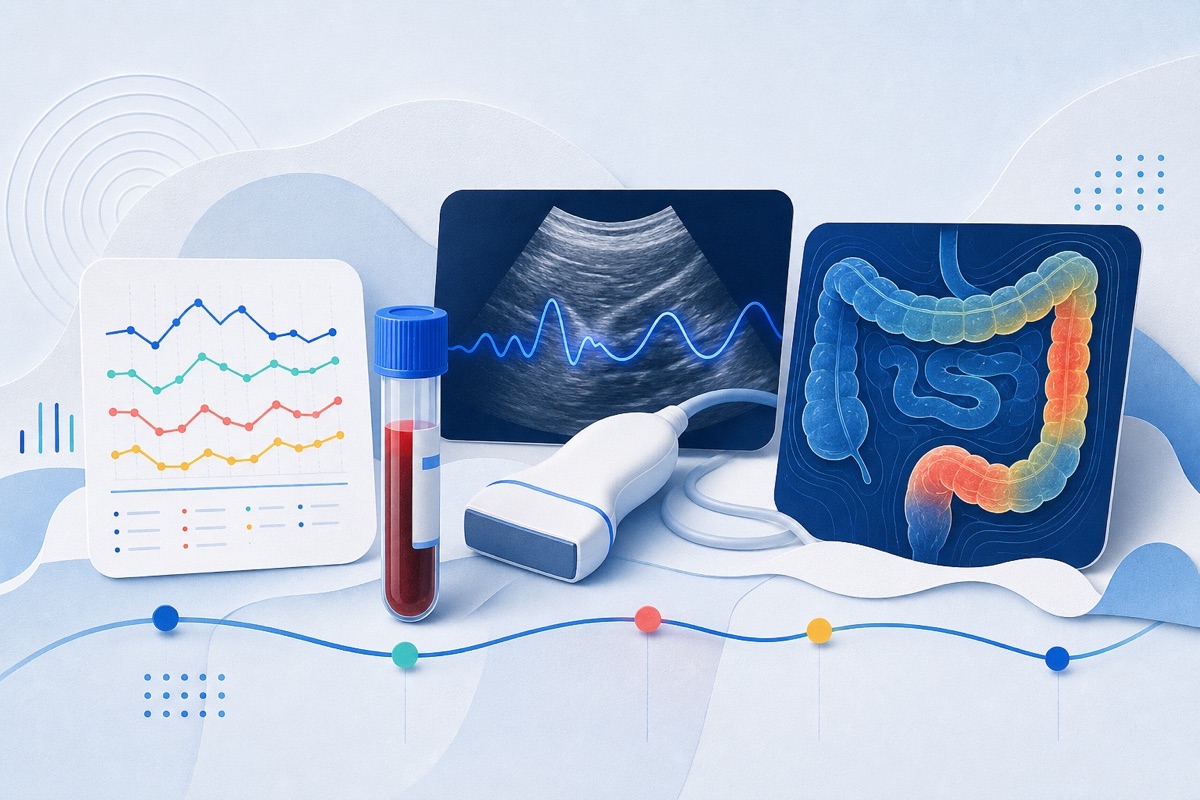
It characterizes phenotypes including PSC with inflammatory bowel disease (PSC/IBD) and PSC with autoimmune hepatitis overlap, reports that most children had mild liver disease and quiescent/mild IBD, and notes correlations between liver biochemistries and liver stiffness measurements (LSM).
The study supports use of LSM as a monitoring tool in pediatric PSC and presents a well-phenotyped cohort to follow longitudinally and to stratify future trials. Findings are based on the article abstract provided by the journal; Cure8 did not review the full study beyond the supplied abstract.
Keep In Mind
This classification and summary are based on the article abstract (structured content depth: abstract). The article describes an observational cohort without reporting interventional results; longitudinal follow-up and further study are needed to confirm implications for clinical management.
Source Details
Review the original publication for the complete reporting, methods, and context.
This Cure8 brief is based on source text from the linked article. Cure8 is informational only and is not a substitute for professional medical advice, diagnosis, or treatment.