Cure8 research brief
Why This Matters
Perianal fistulas are a common and morbid complication of Crohn's disease in children; a reliable, less burdensome imaging tool could help assess severity and monitor response to therapy more often than MRI.
Who Should Pay Attention
Pediatric patients with Crohn's disease and perianal disease, their caregivers, pediatric gastroenterologists, radiologists, and surgeons caring for perianal fistulas.
Study Snapshot
What To Know
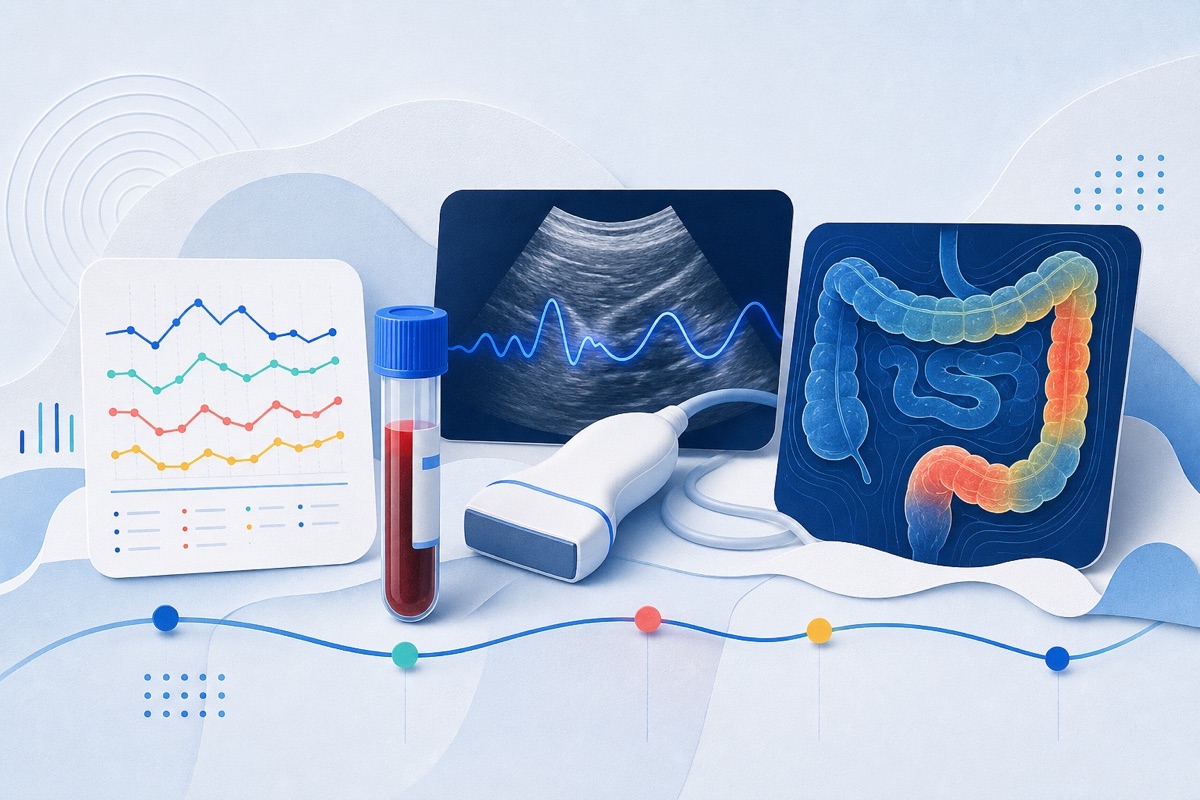
This single-center retrospective pediatric study (44 patients, median age 14) compared TPUS features to an MRI fistula index (MAGNIFI-CD). Longer fistula length and increased vascularity on TPUS were linked with higher MAGNIFI-CD scores. In a subset with clinical follow-up (25 patients), reductions in TPUS vascularity were larger among clinical responders.
TPUS is described as a feasible adjunct to pelvic MRI for assessing severity and monitoring treatment response of perianal fistulas in pediatric Crohn's disease, not a replacement for MRI. The report is based on the article abstract provided by the journal.
Keep In Mind
This is a single-center retrospective study with a modest sample size; the source content is an abstract (summary-level) from a peer-reviewed journal. TPUS is presented as an adjunct to MRI, and results should be interpreted as preliminary evidence that supports further validation.
Source Details
Review the original publication for the complete reporting, methods, and context.
This Cure8 brief is based on source text from the linked article. Cure8 is informational only and is not a substitute for professional medical advice, diagnosis, or treatment.