Journal of Parasitic Diseases
Cure8 research brief
Cure8 research brief
A parasitic infection (Ascaris) can closely imitate Crohn’s disease or microscopic colitis and lead to harmful misdiagnosis and unnecessary immunosuppression. Patients in or from helminth-endemic areas with new IBD-like symptoms should have parasites considered and tested for first.
Pediatric patients and parents-caregivers in helminth-endemic regions, clinicians evaluating new IBD-like presentations, and researchers interested in infection-driven immune mimics of IBD.
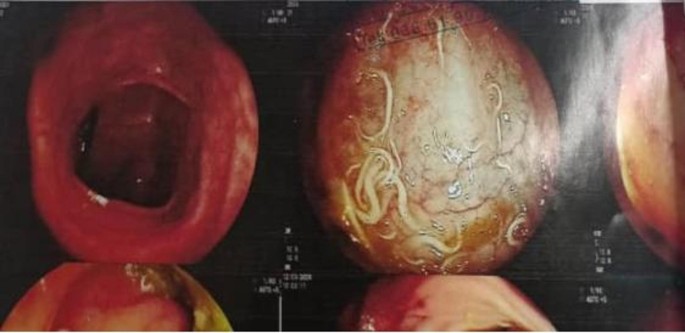
This journal case report describes a 13-year-old boy with poorly controlled type 1 diabetes whose months-long abdominal pain, alternating diarrhea and constipation, hepatomegaly, and histologic inflammation were initially mistaken for autoimmune or microscopic colitis and treated with oral prednisone and azathioprine.
Full-text text indicates heavy ileocolic Ascaris infection was identified; antiparasitic therapy (albendazole) and stopping immunosuppression led to parasitological clearance and symptom resolution.
The report highlights that in helminth-endemic areas, parasitic infections can mimic IBD or microscopic colitis histologically and clinically, and exposing such patients to immunosuppressants can cause harm. The authors link systemic parasitic inflammation to transient insulin resistance and hepatic glycogen overload in this patient with type 1 diabetes.
If you or a child live in or have exposure to helminth-endemic regions and present with new IBD-like symptoms, clinicians should consider parasitic testing before starting long-term immunosuppression. This case also illustrates how overlapping conditions (type 1 diabetes, malnutrition) can complicate presentation and management.
This is a single case report from a parasitology journal; findings illustrate a diagnostic pitfall but do not change routine care guidelines. The article emphasizes context (endemic exposure) and shows clinical improvement after antiparasitic treatment and stopping immunosuppressants.
Review the original publication for the complete reporting, methods, and context.
This Cure8 brief is based on source text from the linked article. Cure8 is informational only and is not a substitute for professional medical advice, diagnosis, or treatment.
Patients with IBD or new symptoms should understand that Crohn’s disease and ulcerative colitis can look very similar but affect different parts of the gut and may require different treatments. Accurate diagnosis matters...
The article helps patients and caregivers recognize common symptoms and complications, understand causes and risk factors, and see why ongoing specialist care and lifestyle measures matter for long-term management.
People (especially women) with recurrent stomach pain, persistent nausea, or bleeding can be misdiagnosed with IBS when they have inflammatory bowel disease like Crohn’s. Early recognition can prevent complications that...