Procedures and surgeryColectomyPerianal DiseaseStricturePost Surgical RecurrenceClinical studyCliniciansPatients On Biologics
Why This Matters
Surgery is still a core part of care for certain UC and Crohn's patients despite better medical therapies. Newer surgical techniques and coordinated medical–surgical approaches aim to reduce complications and recurrence and improve recovery and function.
Who Should Pay Attention
Clinicians who manage IBD (gastroenterologists, colorectal surgeons), patients considering or recovering from IBD surgery, patients on biologics, and researchers studying surgical outcomes or postoperative recurrence prevention.
Study Snapshot
Story typeResearch paper
Evidence typeResearch paper
Source depthJournal abstract
What To Know
This review summarizes surgical advances in IBD (Jan 2024–Jun 2026), focusing on when and how surgery is used for ulcerative colitis and Crohn's disease, minimally invasive techniques (including robotic and transanal approaches), anastomosis strategies such as Kono-S to reduce recurrence, mesentery-based approaches, and risk-stratified postoperative prophylaxis with early biologic therapy and treat-to-target monitoring.
Key practical points: colectomy indications now center on acute severe colitis, dysplasia, and cancer in UC while CD surgery remains important for fibrostenotic, penetrating, and perianal disease. Minimally invasive and robotic-assisted resections are highlighted as feasible options in selected patients.
Multidisciplinary care combining surgical and medical therapies is emphasized, particularly for perianal disease. The review also notes evolving perioperative strategies to prevent postoperative recurrence, including early biologic use and monitoring.
The summary is grounded in the article abstract (structured-content depth: abstract) and does not represent a full-text appraisal of the cited studies.
Keep In Mind
This entry is based on the journal article abstract (Annals of Gastroenterological Surgery) covering literature through June 2026. It is a review summarizing reported advances rather than a single clinical trial; specifics of individual studies, risks, and outcomes are not detailed in the abstract.
Source Details
Review the original publication for the complete reporting, methods, and context.
This Cure8 brief is based on source text from the linked article. Cure8 is informational only and is not a substitute for professional medical advice, diagnosis, or treatment.
Ileal pouch disorders are common after IPAA surgery and cause symptoms many patients will experience. Early recognition and initial treatment by primary care can speed symptom relief and identify patients who need...
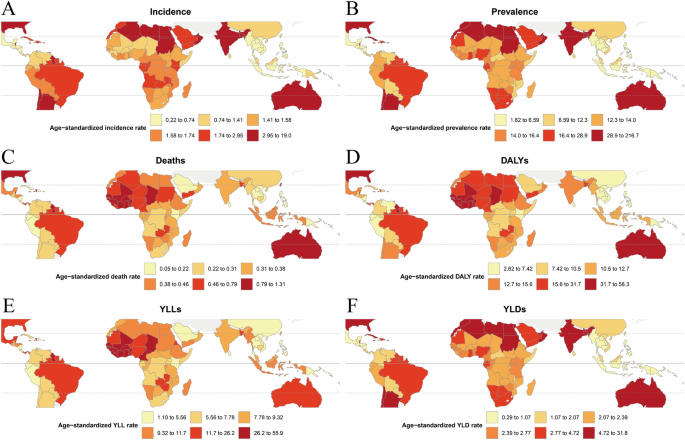
The work links climate and sociodemographic context to IBD burden in tropical regions, which can influence diagnostic recognition, resource needs, and research priorities for communities where IBD is rising.
Surgery remains an important treatment option for Crohn’s disease and may be considered earlier for some patients. Decisions about timing, technique, and perioperative care can affect long-term outcomes and recurrence...