everydayhealth.com
Cure8 news brief
6 Tips for Eating With a Crohn's Stricture - Everyday Health
Diet and lifestyle
Pain
Nausea
Vomiting
Stricture
Bowel Obstruction
Patient Education
Adult patients
Cure8 news brief
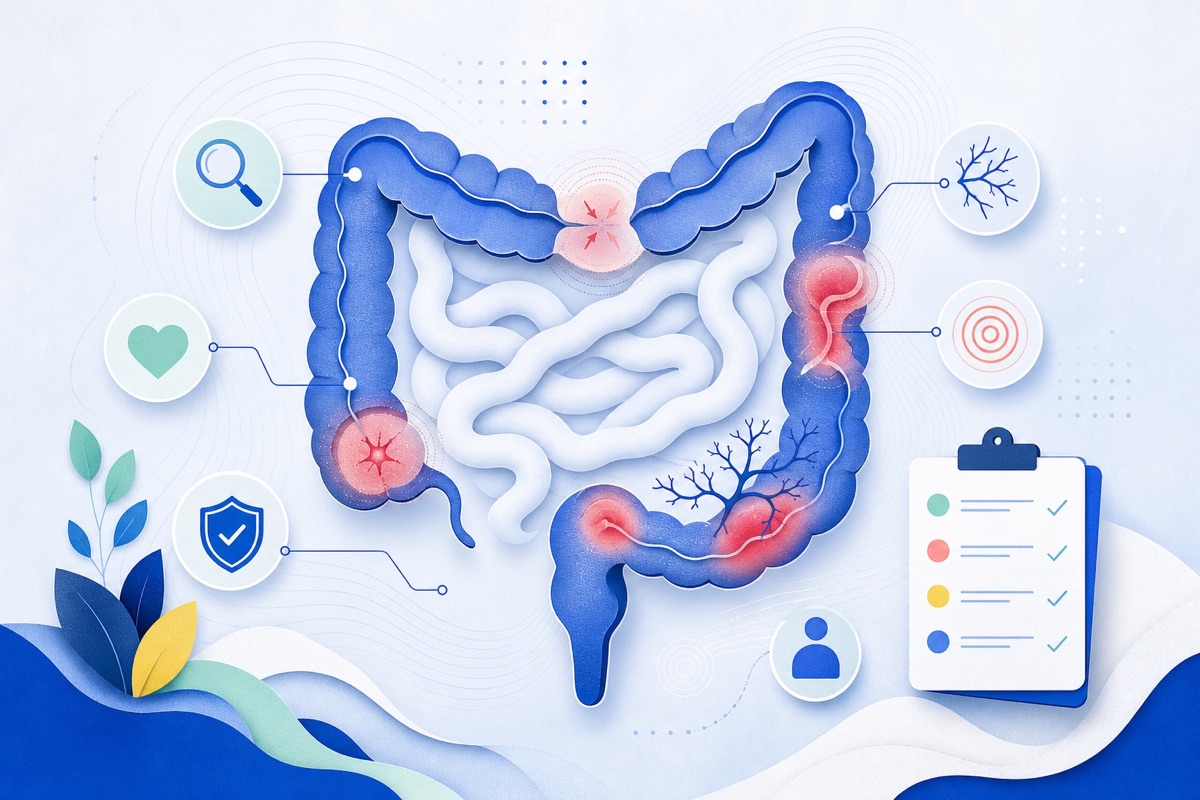
Strictures raise the risk that food will get stuck and cause a dangerous blockage. Simple changes to texture, portion size, and eating habits can lower that risk and help you keep a varied diet.
People with Crohn’s disease who have or may have strictures, their caregivers, and clinicians or dietitians who advise patients on eating strategies.
If you have a Crohn’s stricture, softer, fork-tender foods and texture modification (peeling, mashing, steaming, blending) can help reduce the chance that pieces of food will get stuck.
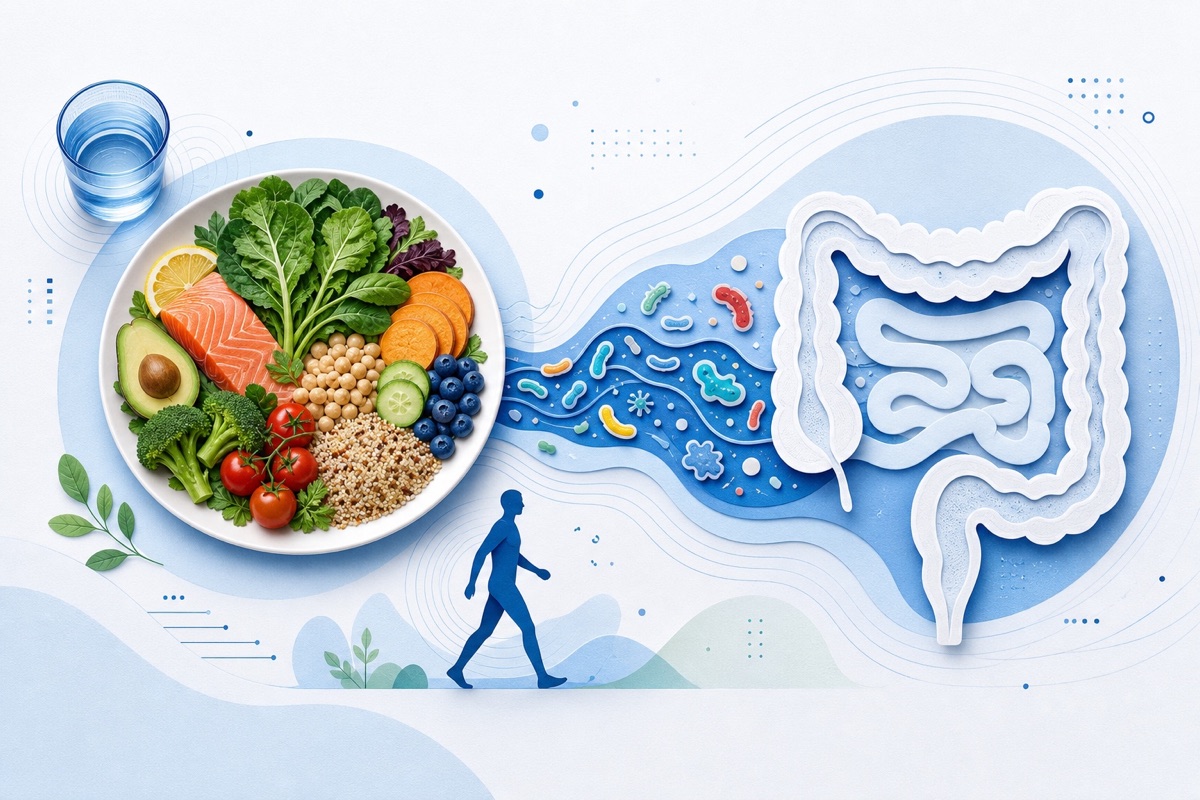
The story lists examples of safe foods (scrambled eggs, yogurt, mashed fruits, cooked vegetables, pasta, white rice, pureed soups) and foods often avoided (nuts, seeds, tough meats, raw leafy greens, dried fruit).
It also highlights non-dietary strategies: eat smaller, more frequent meals, chew thoroughly (to applesauce consistency), stay well hydrated, and consider light walking after eating to aid transit.
The article stresses that people with active inflammation, severe strictures, or perioperative needs may need a low-fiber or restricted diet and should coordinate with their care team or an IBD-specialized dietitian.
When to get urgent care The piece reminds readers that signs of bowel obstruction — severe abdominal pain/cramping, distension, persistent vomiting, or inability to pass gas or stool — require immediate emergency evaluation.
This is a practical patient-education article from Everyday Health summarizing expert dietitian and gastroenterologist advice. It is not a research report or clinical guideline; individual recommendations may vary and should be personalized with your care team.
The article correctly notes that severe strictures or active inflammation may require different dietary restrictions and that obstruction symptoms are an emergency.
Review the original publication for the complete reporting, methods, and context.
This Cure8 brief is based on source text from the linked article. Cure8 is informational only and is not a substitute for professional medical advice, diagnosis, or treatment.
The article outlines complications of untreated Crohn’s that can become life threatening (sepsis, perforation, toxic megacolon, severe malnutrition, colorectal cancer). Knowing these risks helps people with Crohn’s...
After a Crohn’s or UC flare you may tolerate less fiber and need easy-to-digest foods and extra protein to support recovery. This article gives practical, food-based suggestions to help with nutrient intake while your...
Knowing the type of Crohn’s disease helps explain where symptoms come from and what treatments or procedures might be considered. The article links specific symptoms and complications to each anatomical pattern of...