Alopecia areata is an autoimmune condition; this study suggests people with AA have higher odds of also having IBD. Knowing about this association may prompt clinicians and patients to be alert for gastrointestinal symptoms and to consider appropriate evaluation when indicated.
Who Should Pay Attention
Adults with alopecia areata, clinicians caring for patients with autoimmune diseases, gastroenterologists, and researchers studying links between autoimmune conditions.
Study Snapshot
Story typeResearch paper
Evidence typeResearch paper
Source depthJournal abstract
What To Know
This study used nationwide health-record data from Maccabi Healthcare Services (2005–2019) and matched each AA case to two controls by age and sex. Among 33,401 people with AA and 66,802 controls, IBD prevalence was 1.03% in AA patients versus 0.66% in controls, with an odds ratio of 1.55 (95% CI 1.35–1.79). The association was reported across age groups.
The report describes an association (observational data) and does not prove that AA causes IBD. The abstract-level data provided here do not allow assessment of confounding factors, disease timing, severity, or diagnostic criteria.
If you have AA and gastrointestinal symptoms (for example, persistent abdominal pain, diarrhea, or rectal bleeding), discuss evaluation with your clinician, but do not assume IBD based on AA alone.
Keep In Mind
This classification is based on the article abstract (structured-content depth: abstract). The study is observational and reports an association; it cannot establish causation. Details about adjustments for confounders, timing of diagnoses, and diagnostic validation are not available in the abstract.
Source Details
Review the original publication for the complete reporting, methods, and context.
This Cure8 brief is based on source text from the linked article. Cure8 is informational only and is not a substitute for professional medical advice, diagnosis, or treatment.
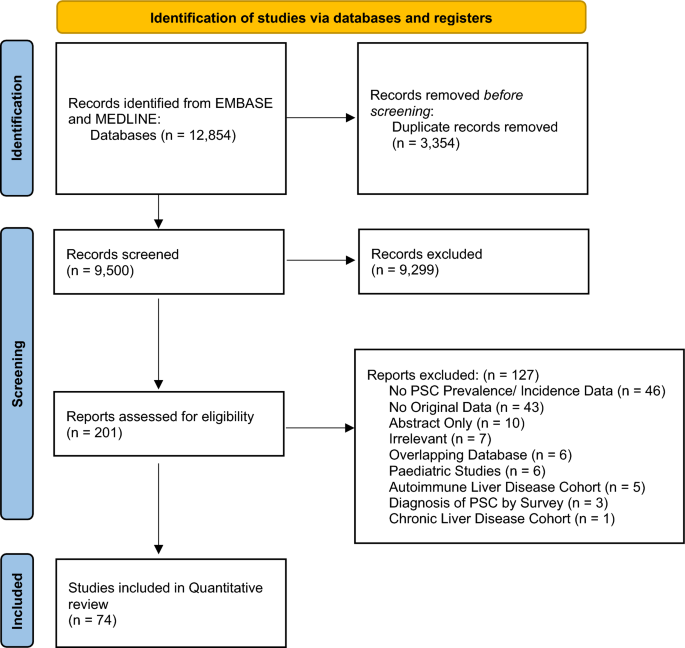
PSC is rare in the general population but substantially more common in people with IBD, particularly ulcerative colitis, and it raises long-term hepatobiliary risks including cholangiocarcinoma—so knowing how often PSC...
This meta-analysis suggests people with IBD—especially those with Crohn’s disease—have a modestly increased risk of stroke. That makes cardiovascular risk assessment and prevention potentially more important for people...
Perianal disease and fistula are relatively common in children with IBD—especially Crohn’s—and occur more often than in the general population. Knowing these risks can help patients, families, and clinicians watch for...