Journal of visualized experiments : JoVE
Cure8 research brief
Cure8 research brief
A bibliometric map of perianal fistula research helps patients and clinicians see how much work exists, which centers and authors lead the field, and which topics cluster together—useful when looking for expertise or major studies to read. It does not report clinical findings or treatment effects.
Researchers studying perianal fistula or Crohn’s disease, clinicians treating PFCD, research librarians, and patients or advocates seeking to find leading centers or literature.
This JoVE article reports a reproducible bibliometric analysis focused on perianal fistula in Crohn’s disease (PFCD) covering publications from 1992–2025. The authors describe their search strategy, normalization of author keywords, and network analyses (co-authorship, keyword co-occurrence, and reference co-citation) using R and VOSviewer.
They identify leading countries, institutions, authors, and frequent keywords—showing a stable core research structure for PFCD while highlighting how retrieval and normalization choices affect results. Key details: The study is based on Web of Science Core Collection records and a screened primary corpus of 769 PFCD publications.
The analysis includes sensitivity checks with alternative retrieval strategies, keyword cleaning, and multiple network analyses. Main outputs reported include publication trends, top contributing countries (US), institutions, and authors, and clustered thematic structures from keyword and citation networks.
How this matters to people affected by Crohn’s disease: This is a research-landscape study rather than a clinical trial or treatment report. It helps map where PFCD research is concentrated and which topics and teams are central, which can guide clinicians, patients, and researchers toward key literature and experts.
This article is an abstract-level JoVE journal record presenting a bibliometric (research mapping) study—its purpose is to describe publication patterns and networks, not to provide new clinical trial results or practice recommendations.
Findings depend strongly on the chosen database (WoSCC) and the authors’ search and normalization methods; the paper reports sensitivity analyses to explore that dependence.
Review the original publication for the complete reporting, methods, and context.
This Cure8 brief is based on source text from the linked article. Cure8 is informational only and is not a substitute for professional medical advice, diagnosis, or treatment.
This article reports the start of a first-in-human trial testing extracellular vesicles as a new regenerative treatment for complex perianal fistulas in Crohn's disease, a hard-to-treat complication with limited options.
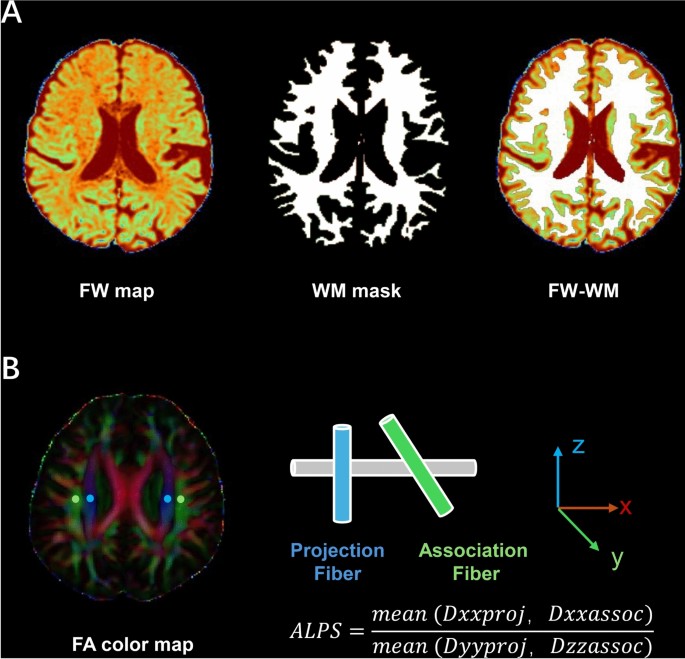
This study suggests brain glymphatic function — a fluid-clearance system — may be altered in people with Crohn’s disease and could relate to inflammation and common neuropsychiatric symptoms like fatigue, anxiety,...
The study maps cellular and molecular programs that drive transformation of fissures into fistulas in Crohn's disease, pointing to early remodeling processes and specific molecular pathways that could be targeted to...