Surgery is common in Crohn’s disease and timing may relate to disease severity and long-term outcomes. Understanding factors linked to early surgery helps patients and clinicians weigh risks and expectations after resection.
Who Should Pay Attention
Patients with Crohn’s disease considering surgery, surgeons and gastroenterologists, and IBD outcomes researchers.
Study Snapshot
Story typeResearch paper
Evidence typeResearch paper
Source depthJournal abstract
What To Know
This retrospective single-center study of 120 Crohn’s disease patients (2012–2023) compared outcomes for three groups: early surgery (intestinal resection within 12 months of diagnosis), late surgery, and medical management without surgery. About 47.5% of patients had surgery; ileocecal resection was the most common procedure.
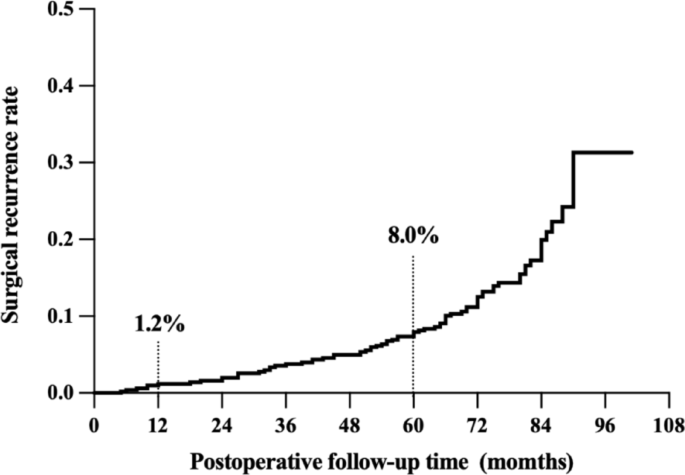
Early surgery patients more often presented with complicated disease (including obstruction) and had worse long-term outcomes (shorter recurrence-free and reoperation-free survival) than late-surgery patients.
The authors report that poorer outcomes after early surgery likely reflect higher baseline disease severity and urgent indications rather than the timing of surgery itself. They note differences in access to care and biologic therapies could affect comparisons with other cohorts.
If you’re reading this as a patient, this paper describes surgical timing and outcomes at a single center and is not a treatment recommendation. Discuss individual care and timing of surgery with your gastroenterologist or surgeon.
Keep In Mind
Retrospective single-center design and higher baseline severity in the early-surgery group limit causal conclusions about timing. Results may differ in settings with earlier diagnosis or greater access to biologic therapy.
Source Details
Review the original publication for the complete reporting, methods, and context.
This Cure8 brief is based on source text from the linked article. Cure8 is informational only and is not a substitute for professional medical advice, diagnosis, or treatment.
The study highlights factors linked to needing another operation after ileocecal resection for Crohn’s disease and suggests postoperative biologic therapy may lower long-term reoperation risk. That directly affects...
Surgery remains an important treatment option for Crohn’s disease and may be considered earlier for some patients. Decisions about timing, technique, and perioperative care can affect long-term outcomes and recurrence...