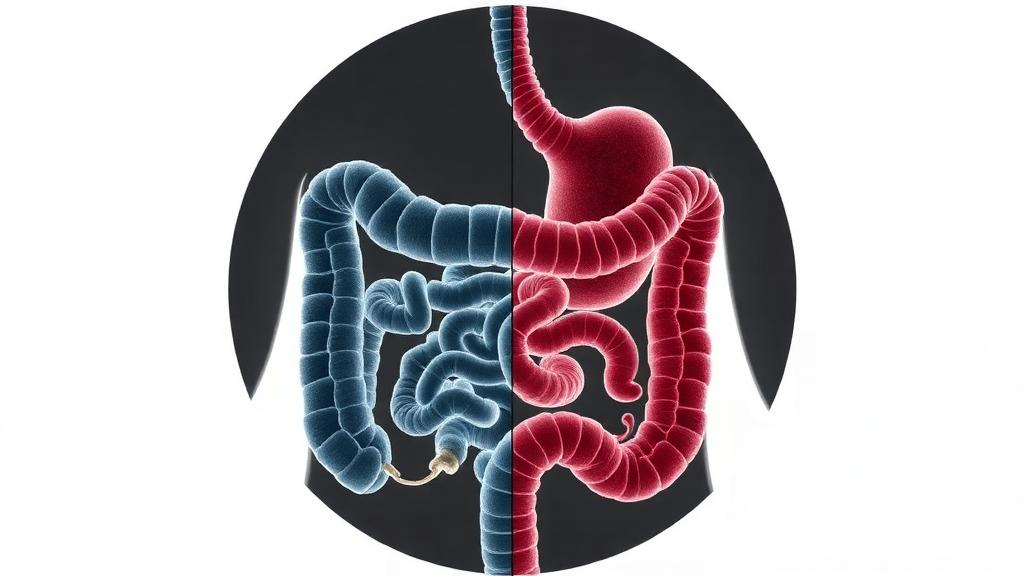
The study links an experimental treatment (dexpanthenol) to reduced inflammatory cytokines and improved anxiety-like behaviors in a rat colitis model, which is relevant to research on inflammation-driven gut–brain interactions in IBD.
Who Should Pay Attention
Researchers (gut–brain axis, IBD preclinical studies), preclinical pharmacologists, and clinicians following mechanistic IBD research
Study Snapshot
Story typeResearch paper
Evidence typeResearch paper
Source depthJournal abstract
What To Know
The study used rats with intracolonic acetic acid to model colitis and compared control, dexpanthenol alone, acetic-acid colitis, and acetic-acid plus dexpanthenol (500 mg/kg, intraperitoneal). Behavioral tests (open field, elevated plus maze, light–dark box) and measurements of IL-6, TNF-α, and IL-1β in colon, serum, and hippocampus were used.
Dexpanthenol-treated rats showed less anxiety-like behavior and lower cytokine levels compared with untreated colitis rats. The results are limited to an experimental rat model and an acute chemical-colitis protocol; animal findings do not directly translate to clinical benefit in people with IBD.
The paper suggests the need for further mechanistic work and eventual translational studies before any human relevance can be concluded.
Keep In Mind
Findings come from an acetic-acid-induced colitis rat model and do not imply safety or efficacy in humans; further mechanistic and clinical studies are needed.
Source Details
Review the original publication for the complete reporting, methods, and context.
This Cure8 brief is based on source text from the linked article. Cure8 is informational only and is not a substitute for professional medical advice, diagnosis, or treatment.
A majority of surveyed IBD patients who use marijuana reported better quality of life and relief from symptoms such as nausea, joint pain, insomnia and anxiety — findings of interest to people seeking symptom management...
The study suggests quality-of-life and patient-reported measures can reveal a subgroup of UC patients in clinical remission who nevertheless have higher relapse risk, which could help personalize monitoring and care.
The study suggests IBD patients can fall into two distinct gut-microbe/metabolite types that align with differences in disease severity and mental-health scores, which could help explain why patients with the same...