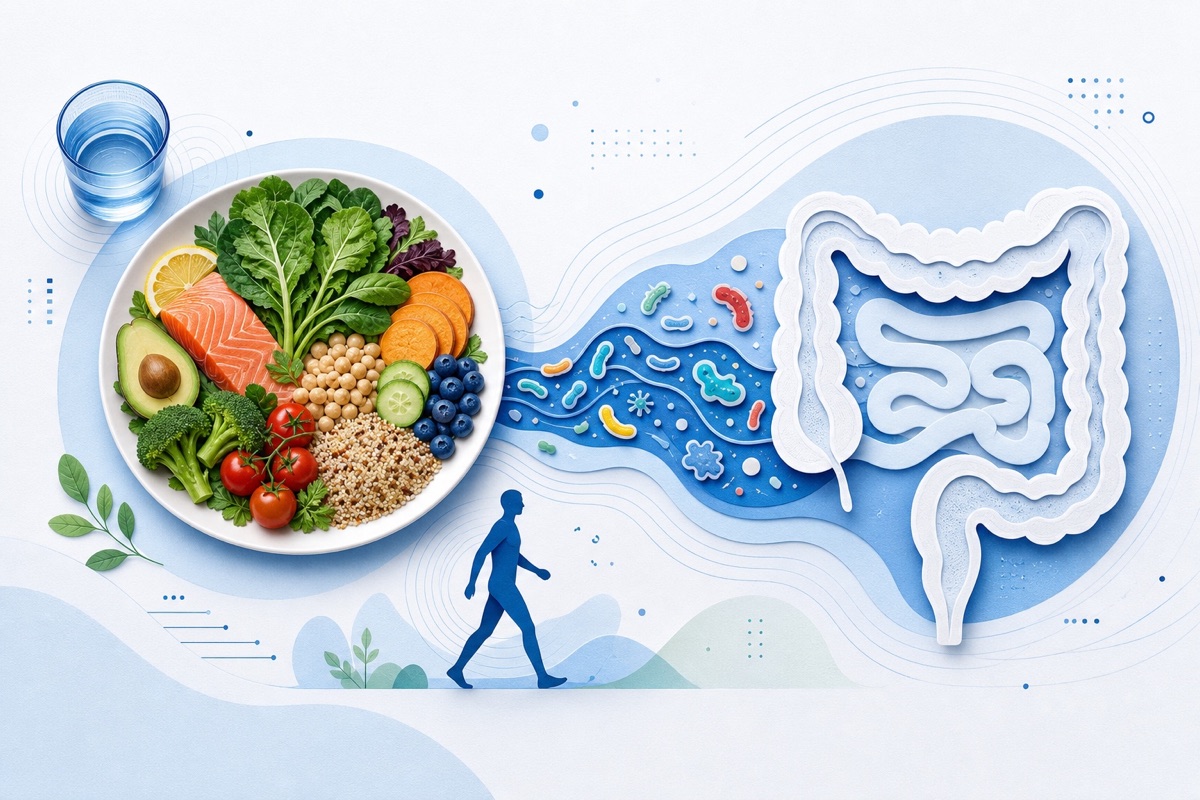
Dietary choices can affect disease activity, remission maintenance, nutrition status, and quality of life for people with IBD. This review summarizes current, evidence-based, phase-specific guidance that can inform care.
Who Should Pay Attention
Clinicians (gastroenterologists, IBD nurses, dietitians), adults with Crohn’s disease or ulcerative colitis, caregivers and parents of pediatric patients considering dietary therapies, and patients exploring nonpharmacologic management options.
Study Snapshot
Story typeResearch paper
Evidence typeResearch paper
Source depthJournal abstract
What To Know
This review emphasizes phase-specific dietary approaches: exclusive enteral nutrition (EEN) is the strongest evidence-based option for inducing remission in active Crohn’s disease, while the Crohn’s Disease Exclusion Diet plus partial enteral nutrition (CDED + PEN) is a food-based alternative particularly for biologic‑naive patients.
For patients in remission, higher dietary fiber and a Mediterranean-style pattern (especially in ulcerative colitis) are associated with maintenance of remission; partial enteral nutrition may help maintain remission in Crohn’s disease.
The authors recommend against routine blanket restrictions of dairy or fiber and instead advise targeted modification (for example when strictures are present) and systematic monitoring for micronutrient deficiencies, which are common and should be replaced by targeted supplementation when indicated.
They also highlight harms from widely held dietary misconceptions and call for access to IBD-experienced dietitians to implement individualized plans.
Practical next steps Patients should discuss diet with their IBD clinician and, when available, an IBD dietitian to develop phase-appropriate, individualized plans and to arrange micronutrient monitoring rather than adopt restrictive diets on their own.
Keep In Mind
This is a narrative review anchored on the ECCO 2025 Dietary Management Consensus and recent trials and reviews; as the authors note, narrative reviews can be prone to selection bias and do not replace formal systematic reviews. Recommendations emphasize individualized care and the need for dietitian involvement.
Source Details
Review the original publication for the complete reporting, methods, and context.
This Cure8 brief is based on source text from the linked article. Cure8 is informational only and is not a substitute for professional medical advice, diagnosis, or treatment.
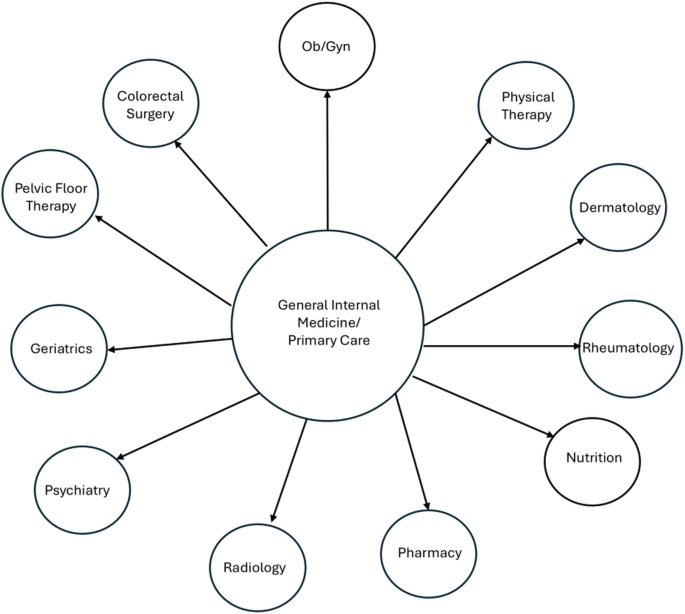
People with IBD commonly have extraintestinal symptoms (mood disorders, fatigue, pain, nutritional problems) that affect quality of life and need proactive identification and management in primary care.
Patients with Crohn's reported more relapses and are more likely to see diet as a relapse trigger; nutritional therapy (including elemental diets) is used more often in Crohn's than UC in this Japanese sample. This...
Malnutrition risk and nutrition insecurity can affect symptom management and overall health for people with IBD. Understanding barriers and supports helps target practical services (dietitians, social resources, digital...