The choice of surgical approach (laparoscopic vs open) may affect long-term risk of needing another bowel operation after elective resection for Crohn disease. Patients and surgeons can consider this evidence alongside other factors when planning surgery.
Who Should Pay Attention
Adults with Crohn disease facing elective intestinal resection, surgeons and gastroenterologists who manage surgical decisions, and patients concerned about long-term surgical recurrence risk.
Study Snapshot
Story typeResearch news
Evidence typeObservational study
Source depthFull source text
What To Know
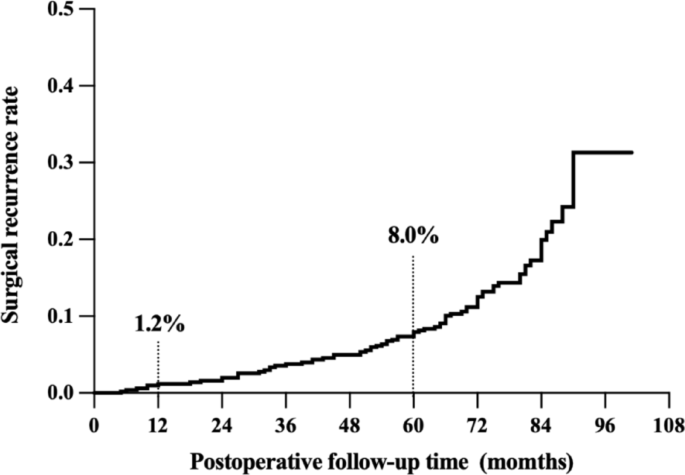
The study analyzed patients from 1995–2020 and found a 25-year cumulative recurrence of 25% overall. In multivariate analysis, open surgery was associated with higher risk of surgical recurrence (hazard ratio reported by authors), while smoking, female sex, and microscopic inflammation at resection margins were additional risk factors.
Severe perioperative complications were uncommon (7%) and not linked to recurrence. The report is observational and authors note causal inference is limited; results are consistent across Kaplan–Meier and Cox regression analyses but do not prove that laparoscopy prevents recurrence. Several study authors disclosed industry ties.
Keep In Mind
The study is retrospective and observational (1995–2020) with potential confounding despite multivariate adjustment. The HealthDay summary cites the published paper; consult the original article for full methods, patient selection, and absolute risks.
Source Details
Review the original publication for the complete reporting, methods, and context.
This Cure8 brief is based on source text from the linked article. Cure8 is informational only and is not a substitute for professional medical advice, diagnosis, or treatment.
Long-term risk of needing another intestinal surgery is a major concern for people with Crohn’s disease. This study suggests laparoscopic resection may be linked to lower long-term reoperation risk compared with open...
The study highlights factors linked to needing another operation after ileocecal resection for Crohn’s disease and suggests postoperative biologic therapy may lower long-term reoperation risk. That directly affects...
Surgery is common in Crohn’s disease and timing may relate to disease severity and long-term outcomes. Understanding factors linked to early surgery helps patients and clinicians weigh risks and expectations after...