Colorectal disease : the official journal of the Association of Coloproctology of Great Britain and Ireland
Cure8 research brief
Cure8 research brief
The findings show earlier and more frequent use of imaging, endoscopic assessment, anti-TNF therapy, and seton placement for active perianal fistulizing Crohn’s disease over recent years — practices that may affect diagnosis and management decisions for people with perianal CD.
Adults with Crohn’s disease and perianal fistulas; gastroenterologists and colorectal surgeons; researchers focused on perianal disease management
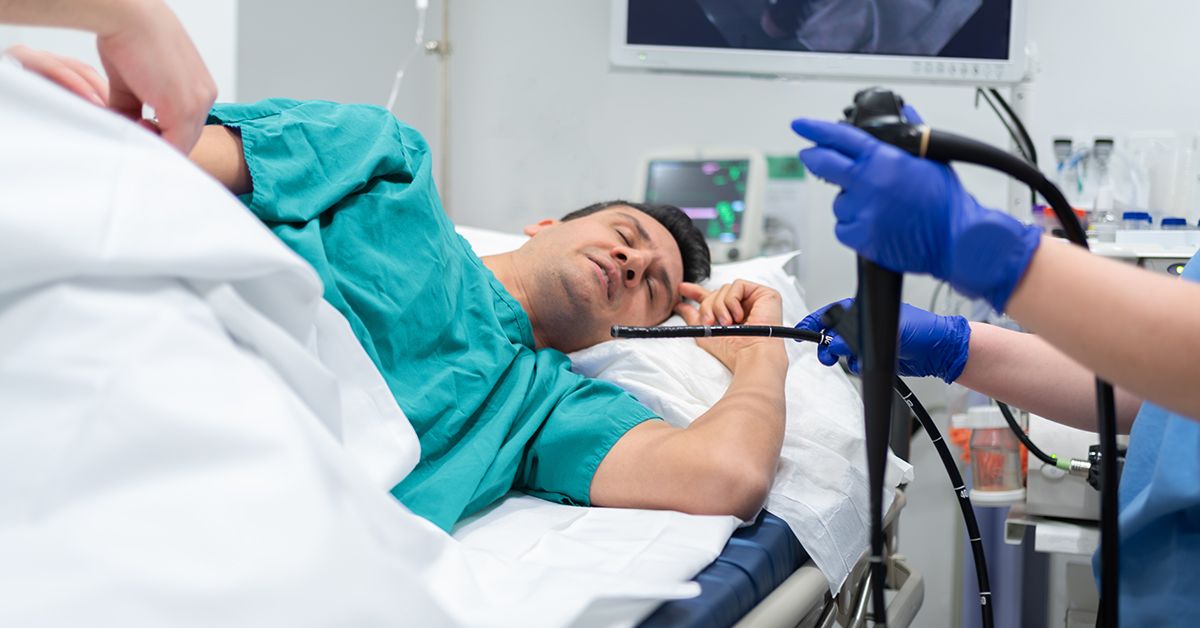
This study pooled 440 patients from 41 Dutch hospitals and compared care across diagnostic periods (pre-2010, 2010–2015, 2015–2020, post-2020). Use of pelvic imaging (MRI or endoscopic ultrasound) and endoscopic evaluation for proctitis increased markedly over time.
First-line anti-TNF therapy initiation and seton placement within the first year also rose substantially in later periods. The report notes that procedures specifically aimed at fistula closure remained uncommon early after diagnosis, which the authors suggest may reflect the cohort’s enrichment for therapy-refractory cases.
The source is an abstract from a multicentre observational cohort; it reports care patterns over time rather than causal effects on clinical outcomes. The cohort may be enriched for therapy-refractory patients, which could affect rates of fistula-closure surgery.
Review the original publication for the complete reporting, methods, and context.
Funding disclosed by the source: Takeda Pharmaceuticals U.S.A.; Janssen Research and Development
This Cure8 brief is based on source text from the linked article. Cure8 is informational only and is not a substitute for professional medical advice, diagnosis, or treatment.
You can have active intestinal inflammation even without clear symptoms; early monitoring and tailored treatment aim to prevent complications and preserve quality of life.
The review links specific therapies and surgical options to outcomes that matter to people with IBD — mucosal healing, lower hospitalizations, and reduced need for surgery — and highlights that combining medical and...
People with IBD and clinicians often face decisions about whether to stop biologics or small molecules before abdominal surgery.