
Frontiers in nutrition
Cure8 research brief
Cure8 research brief
People with IBD (including children) often have damaged gut barriers and altered microbiomes that can worsen inflammation and metabolic health. Dietary and nutritional approaches discussed here may help reduce inflammation and support gut recovery as low‑intervention options.
Patients with IBD and caregivers (including parents of pediatric patients), gastroenterologists, nutritionists, and researchers studying the microbiome, immune pathways, or nonpharmacologic therapies.
This paper summarizes how both HIV and IBD cause loss of mucosal integrity, increased gut permeability, microbial translocation, and systemic inflammation, though the underlying mechanisms differ (eg, rapid mucosal CD4+ T cell loss in HIV versus chronic mucosal immune attack in IBD).
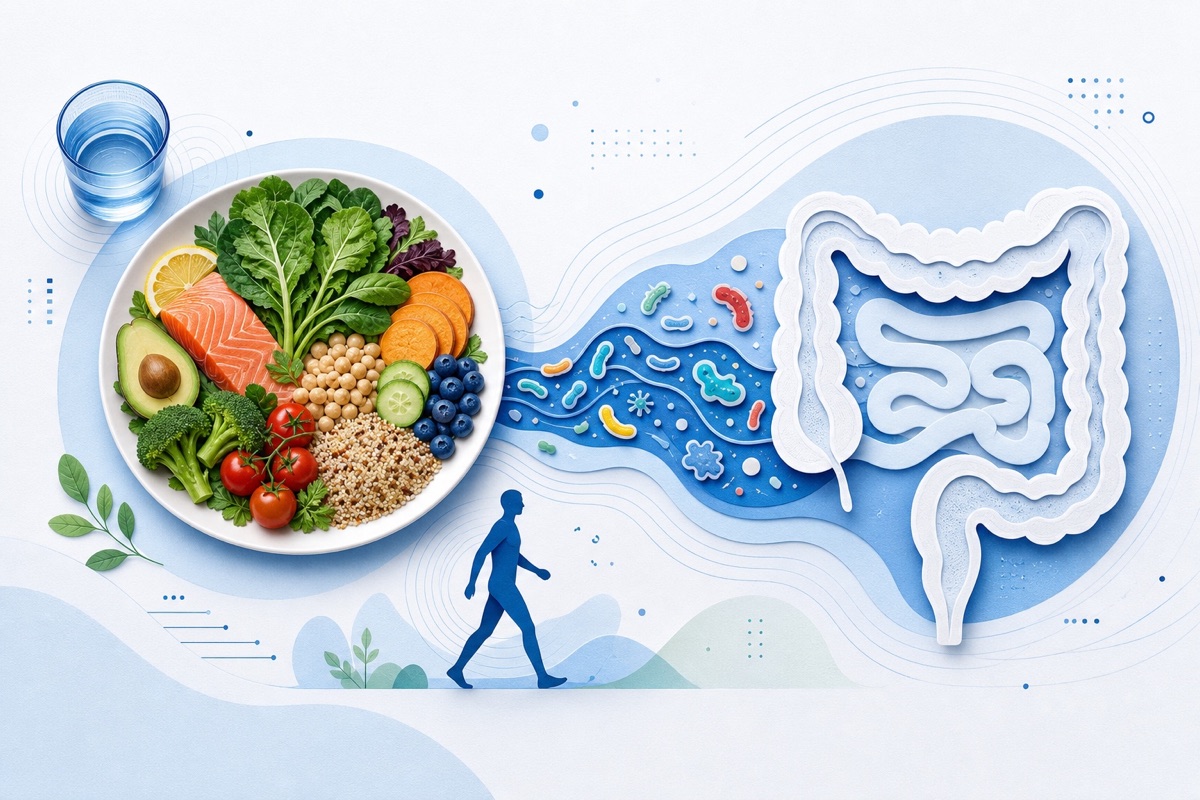
It reviews shared microbiome features (reduced diversity, loss of fiber‑fermenting commensals like Faecalibacterium, relative Proteobacteria overgrowth) and discusses nutritional approaches — micronutrients, exclusive enteral nutrition, high‑fiber and Mediterranean diets — as potential therapies to restore metabolic balance and lower inflammation.
The article also notes the value of animal models (nonhuman primates) for studying mechanisms and testing interventions.
This entry is a review article (abstract provided). It synthesizes existing research and animal models rather than reporting new clinical trial results; recommendations are exploratory and meant to highlight areas for further study rather than established treatments.
Review the original publication for the complete reporting, methods, and context.
This Cure8 brief is based on source text from the linked article. Cure8 is informational only and is not a substitute for professional medical advice, diagnosis, or treatment.
A time-restricted eating plan may help reduce problematic visceral fat and improve some Crohn’s symptoms and metabolic markers. For people with Crohn’s who are overweight or have metabolic concerns, this could be a...
If you or your clinician are considering dietary therapy like the CDED for Crohn's disease, microbiome features at baseline may influence who achieves sustained remission. Understanding these links could help personalize...
This research looks at whether donor and patient diets can influence how well fecal microbiota transplants work. For people with IBD (including Crohn’s and ulcerative colitis), improving FMT success could mean better...
