Understanding how metabolism and epigenetics reshape immune responses could point to new drug targets or adjunctive therapies for IBD, potentially affecting inflammation control and mucosal healing.
Patients may see future treatments that act on metabolic or epigenetic pathways rather than conventional immunosuppression. This review collects current evidence and highlights which mechanisms and therapeutic strategies are emerging from lab and early clinical work.
Who Should Pay Attention
Researchers studying immune mechanisms, epigenetics, or microbiome interactions in IBD; clinicians interested in emerging therapeutic approaches; patients curious about novel, mechanism-based treatments; translational scientists and drug developers.
Study Snapshot
Story typeResearch paper
Evidence typeResearch paper
Source depthJournal abstract
What To Know
This is an abstract-level review article summarizing current knowledge about how metabolic and epigenetic changes in immune cells (macrophages and T cells) may influence IBD pathogenesis and how those pathways are being explored as therapeutic targets.
The paper synthesizes mechanistic studies linking shifts in glucose, lipid, and amino-acid metabolism to chromatin modifications (acetylation, methylation, lactylation, etc.) and immune programs relevant to barrier repair and inflammation. It also summarizes preclinical and early clinical efforts targeting immunometabolic and epigenetic checkpoints.
The article is a review (abstract available) rather than a report of a single trial; its conclusions are based on existing preclinical and clinical literature rather than new randomized trial results.
Keep In Mind
This source is a review article (abstract level provided). It synthesizes preclinical and clinical studies but does not present new primary trial data. Many interventions discussed are experimental or in early-phase testing; clinical relevance and safety require validation in controlled trials. Summary is grounded in the article abstract.
Source Details
Review the original publication for the complete reporting, methods, and context.
Conflict statement: Declarations. Ethics approval and consent to participate: Not applicable. Consent for publication: Not applicable. Declaration of generative AI use: The authors declare that no generative AI or AI-assisted technologies were used in the writing, editing, or production of this manuscript. All aspects of the work, including the drafting and revision of the text, were carried out solely by the authors. Competing interests: The authors declare no competing interests.
This Cure8 brief is based on source text from the linked article. Cure8 is informational only and is not a substitute for professional medical advice, diagnosis, or treatment.
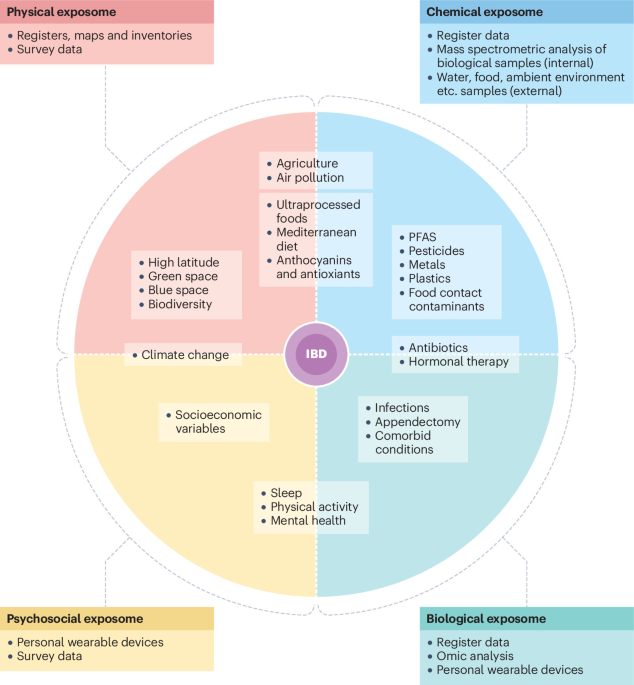
The exposome perspective emphasizes that many non-genetic, potentially modifiable environmental factors likely influence IBD risk. Understanding these factors could help guide prevention research and public-health...
New, non-invasive biomarkers and AI-driven multi-omic approaches could make diagnosis and treatment of IBD more precise, helping patients avoid invasive tests and improving chances of choosing effective therapies sooner.
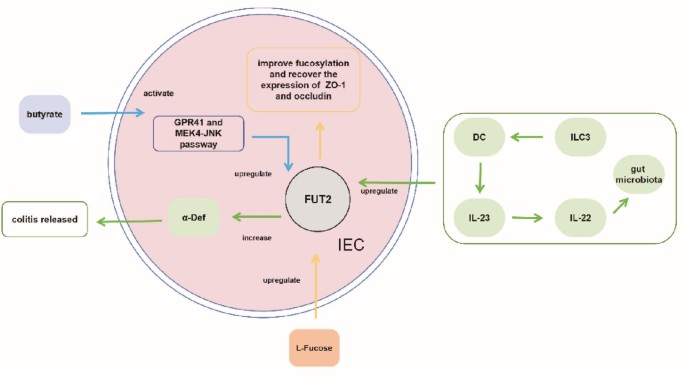
FUT2-mediated fucosylation shapes gut glycans and the microbiome, mechanisms relevant to inflammation and mucosal barrier function in IBD. Understanding these pathways could point to future biomarkers or therapeutic...