Alimentary Pharmacology & Therapeutics
Cure8 research brief
Cure8 research brief
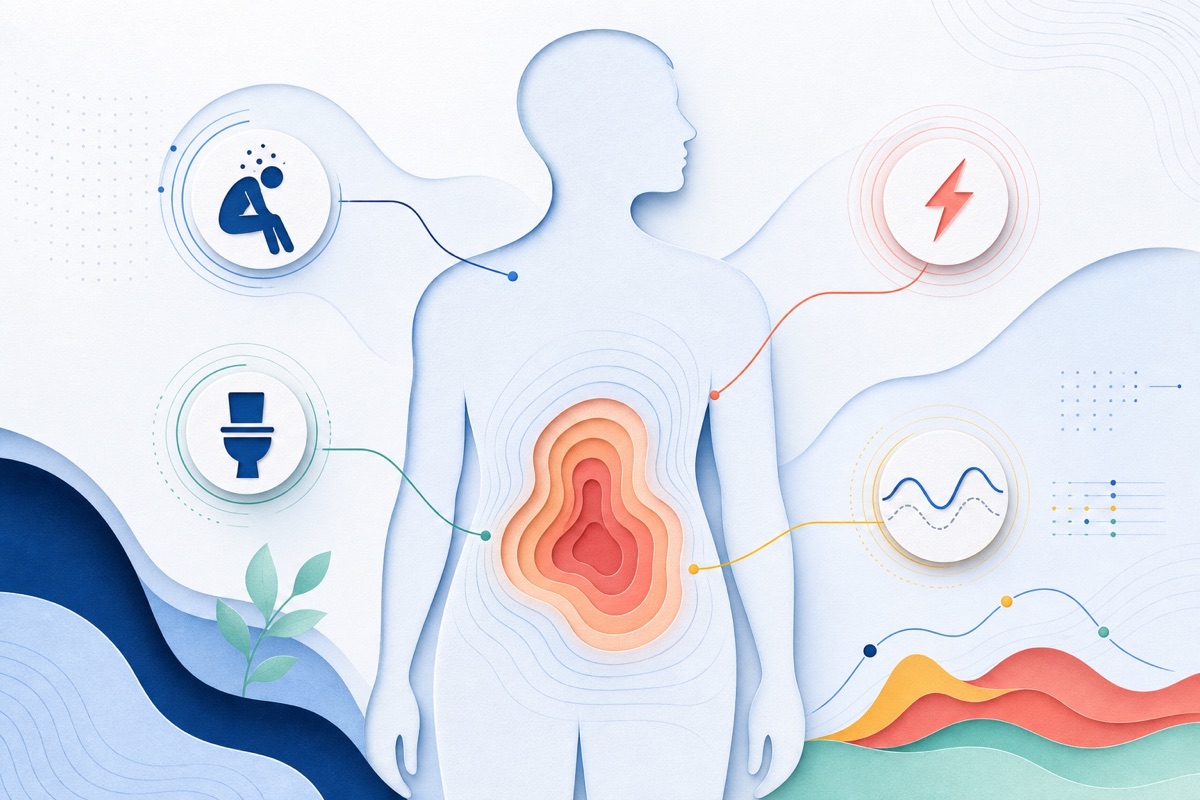
This study links active UC inflammation to measurable anorectal dysfunction (greater rectal sensitivity, lower compliance/capacity) that helps explain common symptoms such as urgency and fecal incontinence. Some dysfunction persisted after treatment, indicating ongoing symptoms may need targeted evaluation and care.
Patients with UC who have urgency, fecal incontinence, or tenesmus; gastroenterologists; pelvic floor clinicians; IBD researchers.
This prospective study used high-resolution anorectal manometry and rectal barostat testing to compare anorectal function in 36 patients with active ulcerative colitis versus healthy volunteers, assessed during active disease and again 4–6 months after treatment started.
The study found that active inflammation was associated with increased rectal sensitivity and reduced rectal compliance and capacity; many patients’ symptoms (incontinence, urgency, tenesmus) and barostat abnormalities improved after treatment but some dysfunction persisted — even in patients with histological remission.
The findings suggest anorectal dysfunction is linked to inflammatory severity and may partly persist after mucosal healing, highlighting that symptoms like urgency and incontinence in UC may reflect measurable changes in rectal physiology rather than only active inflammation.
If you have UC and ongoing urgency or incontinence after treatment, clinicians may consider evaluation for persistent anorectal dysfunction; this study supports the need for diagnostic and therapeutic approaches targeting rectal sensitivity and compliance, though it does not test specific treatments.
Summary is based on the article abstract. The study is prospective but from a single center with a modest sample; it shows associations and physiologic measurements rather than testing treatments. Barostat and HR‑ARM are specialized tests not universally available.
Review the original publication for the complete reporting, methods, and context.
This Cure8 brief is based on source text from the linked article. Cure8 is informational only and is not a substitute for professional medical advice, diagnosis, or treatment.
Fatigue is common in people with Crohn’s disease and ulcerative colitis and can persist even when standard measures say the disease is in remission. This study suggests stricter definitions of remission don’t necessarily...
Understanding the differences between Crohn’s and ulcerative colitis helps patients and caregivers recognize likely symptom patterns, know which tests and treatments are commonly used, and when to seek specialist care....
Patients with IBD or new symptoms should understand that Crohn’s disease and ulcerative colitis can look very similar but affect different parts of the gut and may require different treatments. Accurate diagnosis matters...