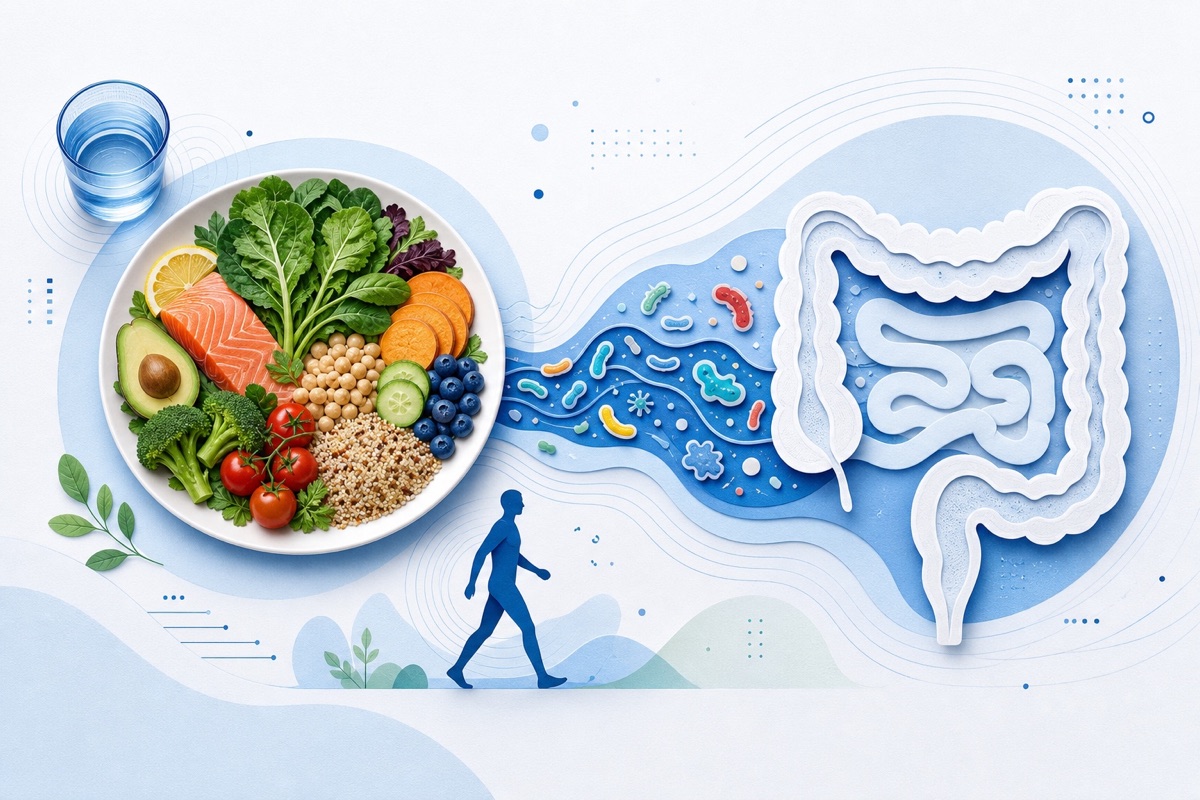
Probiotics like Lactobacillus GG are often considered by families of children with Crohn’s disease. If helpful, they could offer a low-risk adjunct that targets the gut microbiome and barrier function. This pilot study suggests possible benefit but is not definitive.
Who Should Pay Attention
Pediatric patients with Crohn’s disease, parents/caregivers, pediatric gastroenterologists, and researchers studying probiotics or the microbiome in IBD.
Study Snapshot
Story typeResearch paper
Evidence typeClinical study
Source depthFull source text
What To Know
This small open-label pilot study gave four children with mildly–moderately active Crohn’s disease oral Lactobacillus GG (10^10 CFU twice daily) for 6 months and reported rapid clinical improvement and parallel improvements in intestinal permeability measured by a dual-sugar test.
The authors describe the work as preliminary and call for randomized, double-blind, placebo-controlled trials to confirm efficacy. Because this was an uncontrolled, very small pilot study, its findings are only suggestive; they cannot establish that Lactobacillus GG causes improvement. Care decisions should not be based on this study alone.
Families curious about probiotics may discuss this with their child’s gastroenterologist; clinicians or researchers interested in probiotics and IBD may view this as early-phase evidence supporting further controlled trials.
Keep In Mind
Open-label pilot with only four participants and no control group; results are hypothesis-generating. The article itself recommends randomized, placebo-controlled trials. As a single small study, it cannot establish safety or efficacy for routine use.
Source Details
Review the original publication for the complete reporting, methods, and context.
This Cure8 brief is based on source text from the linked article. Cure8 is informational only and is not a substitute for professional medical advice, diagnosis, or treatment.
Cure8 found this source from medpagetoday.com, but the page could not be read reliably yet. It is tagged for Crohn's disease, Inflammatory bowel disease, and Diet and lifestyle. Open the original article for the full...
Diet-based induction options matter for children because EEN can be hard to tolerate. This study finds CDED (with partial enteral nutrition) performs similarly to EEN for inducing remission and mucosal healing in...
This study suggests that higher intake of specific fibers (beta‑glucan and inulin) may be linked to lower Crohn’s risk in people with a family history, and it connects those fibers to biomarkers of inflammation, barrier...