Brazilian Journal of Case Reports
Cure8 research brief
Cure8 research brief
Because it describes a severe new Crohn’s disease case temporally linked to COVID‑19, patients and clinicians should be aware that persistent or worsening GI symptoms after SARS‑CoV‑2 infection may merit investigation; the report suggests possible biological mechanisms but does not prove causation.
Adult patients with new or persistent gastrointestinal symptoms after COVID‑19, gastroenterologists and primary care clinicians, and researchers studying post‑infectious IBD triggers and gut immune responses.
The article reports one patient with onset of gastrointestinal symptoms within two weeks of confirmed SARS‑CoV‑2 infection, endoscopic and histologic findings consistent with chronic granulomatous ileocolitis, and clinical course that included perianal abscess requiring drainage and eventual anti‑TNF therapy (infliximab) with mucosal healing by one year.
The authors reviewed prior literature (19 cases) and note most were ulcerative colitis; they emphasize proposed biologic links (ACE2 changes, dysbiosis, barrier disruption, immune dysregulation) but state causality cannot be established from a single case and preexisting subclinical disease is possible.
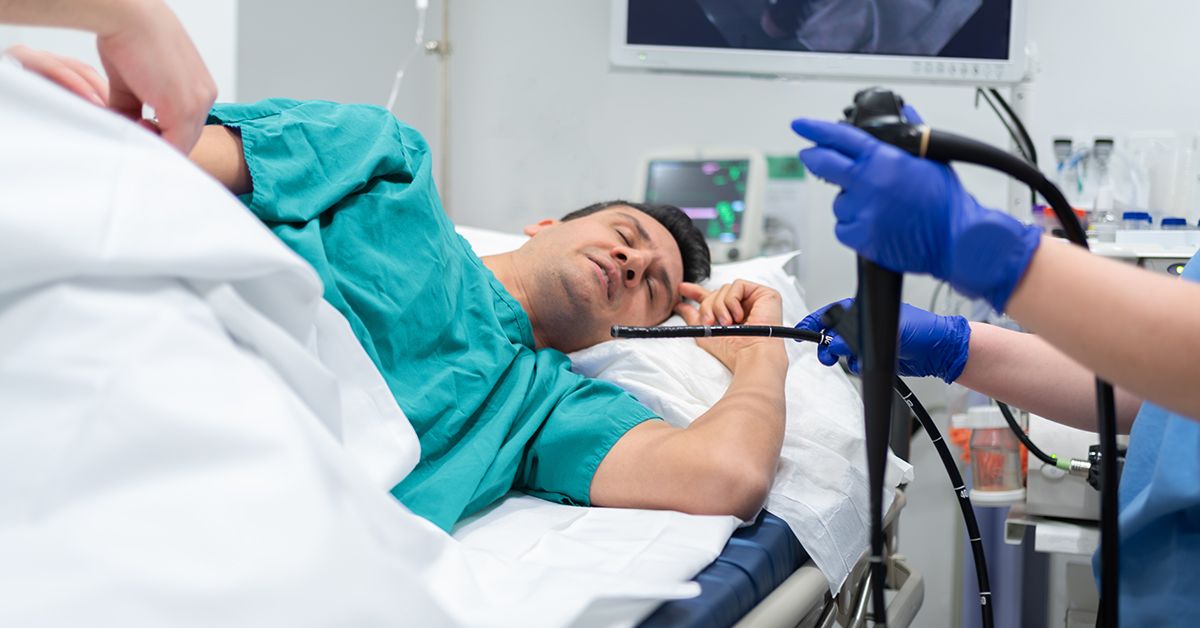
Practical point: Persistent or severe GI symptoms after COVID‑19 warrant evaluation per usual clinical pathways (stool testing, inflammatory markers, endoscopy) rather than assuming all post‑infectious symptoms are benign; this report illustrates a rare but serious presentation that progressed to fistulizing Crohn’s disease and required escalation to biologic therapy.
This is a single case report with an accompanying brief literature review (abstract level). The authors explicitly say causality cannot be established and that previously subclinical disease cannot be excluded. The article presents clinical course and treatments but is not evidence that COVID‑19 causes IBD.
Review the original publication for the complete reporting, methods, and context.
This Cure8 brief is based on source text from the linked article. Cure8 is informational only and is not a substitute for professional medical advice, diagnosis, or treatment.
You can have active intestinal inflammation even without clear symptoms; early monitoring and tailored treatment aim to prevent complications and preserve quality of life.
This trial is testing whether adding vedolizumab after autologous stem cell transplant can improve remission rates for people with severe Crohn's disease that has failed multiple therapies.
This case suggests ustekinumab — a commonly used biologic for Crohn’s disease — might rarely be associated with kidney injury (FSGS). Patients and clinicians should be aware of new or worsening edema, proteinuria, or...