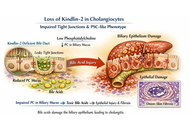
PSC frequently occurs with IBD and has unclear origins; understanding a shared glandular mechanism could help explain the link and point to new research targets relevant to both liver and colon disease.
Who Should Pay Attention
Clinicians and researchers studying PSC and IBD; hepatologists and gastroenterologists with interest in disease mechanisms; patients and advocates interested in PSC-IBD research developments.
Study Snapshot
Story typeResearch paper
Evidence typeResearch paper
Source depthJournal abstract
What To Know
This review proposes that shared glandular structures — peribiliary glands in bile ducts and crypt glands in the colon — may link primary sclerosing cholangitis (PSC) and inflammatory bowel disease.
The authors argue that damage or dysfunction of secretory and stem-cell compartments in these glands could trigger bile-duct strictures and colonic disease seen in PSC-IBD. The article is framed as a mechanistic, morpho-functional hypothesis rather than a report of new clinical trial results.
It synthesizes anatomical and pathological observations to suggest new research pathways investigating gland injury, regeneration, and secretory dysfunction as contributors to PSC and associated IBD.
For patients: this is early-stage, hypothesis-driven work aimed at explaining why PSC often co-occurs with IBD and why large bile ducts are preferentially affected. It does not change current treatment or monitoring recommendations.
For researchers and clinicians: the paper highlights peribiliary glands and colonic crypts as potential common targets for study and suggests directions for basic and translational research into mechanisms of biliary and colonic injury.
Keep In Mind
This article is a mechanistic review (abstract-level content provided) proposing a hypothesis based on anatomical and pathological comparisons; it does not report new clinical trials or direct patient-level findings. Findings are theoretical and intended to guide future research.
Source Details
Review the original publication for the complete reporting, methods, and context.
This Cure8 brief is based on source text from the linked article. Cure8 is informational only and is not a substitute for professional medical advice, diagnosis, or treatment.
PSC is closely linked with IBD (especially ulcerative colitis); understanding mechanisms that damage bile ducts could point to new future therapies or biomarkers.
If you have PSC-IBD or care for someone who does, this study suggests the gut microbiota and its ability to make secondary bile acids may help drive inflammation and colorectal dysplasia risk.
This research links a specific gut-associated yeast to activation of innate immune pathways (Dectin-1–Card9) that drive inflammatory signaling. For people with Crohn disease, it suggests fungal members of the gut...