JPGN Reports
Cure8 research brief
Cure8 research brief
The survey highlights wide variation in how rectal stumps are assessed and managed after colectomy in children with UC, indicating uncertainty and a gap in standardised care that could affect outcomes and follow-up plans.
Pediatric gastroenterologists, colorectal surgeons, multidisciplinary care teams, researchers studying post‑colectomy care, and parents/caregivers of children with UC.
This survey paper reports international paediatric practice for assessing and managing the retained rectal stump after colectomy for ulcerative colitis. Eighty paediatric gastroenterologists from 24 countries completed an 18‑question web survey about centre demographics, how rectal stumps are assessed, and treatment approaches.
Most centres perform few colectomies each year, few have formal rectal‑stump protocols, and clinicians use a mix of clinical scores (PUCAI or PGA) or no formal tool.
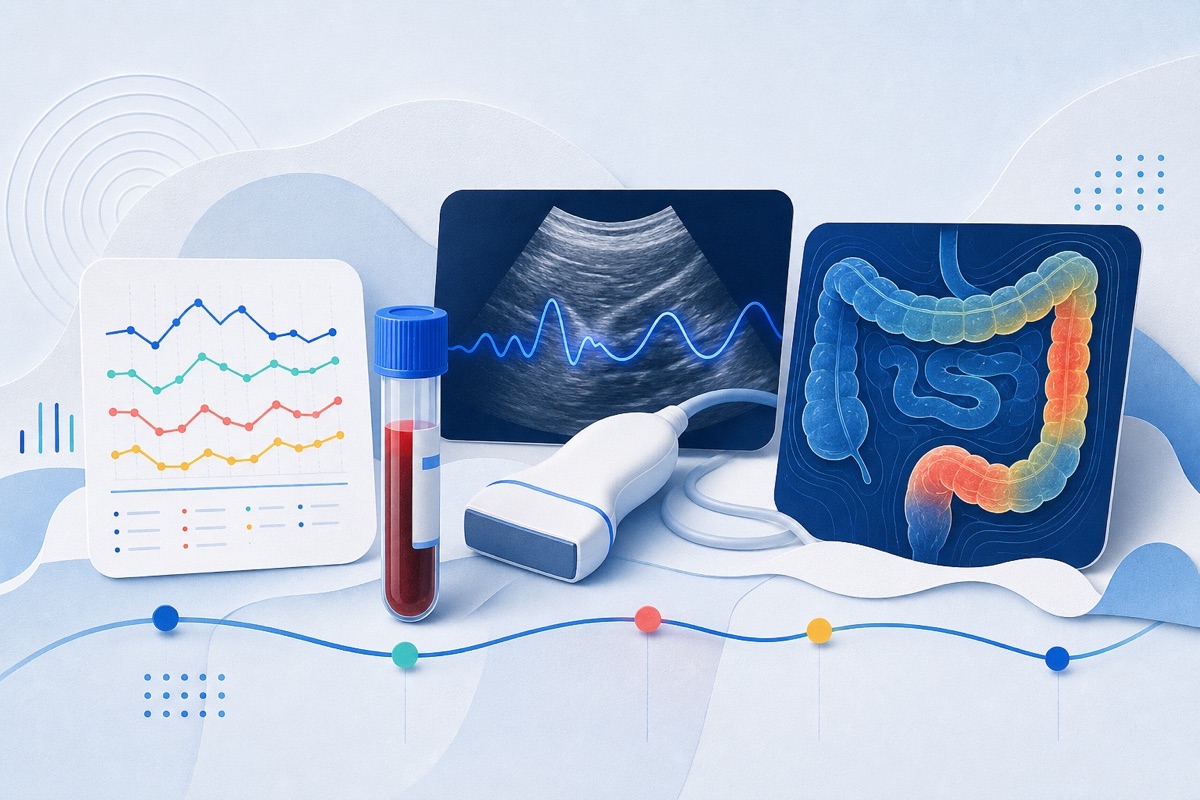
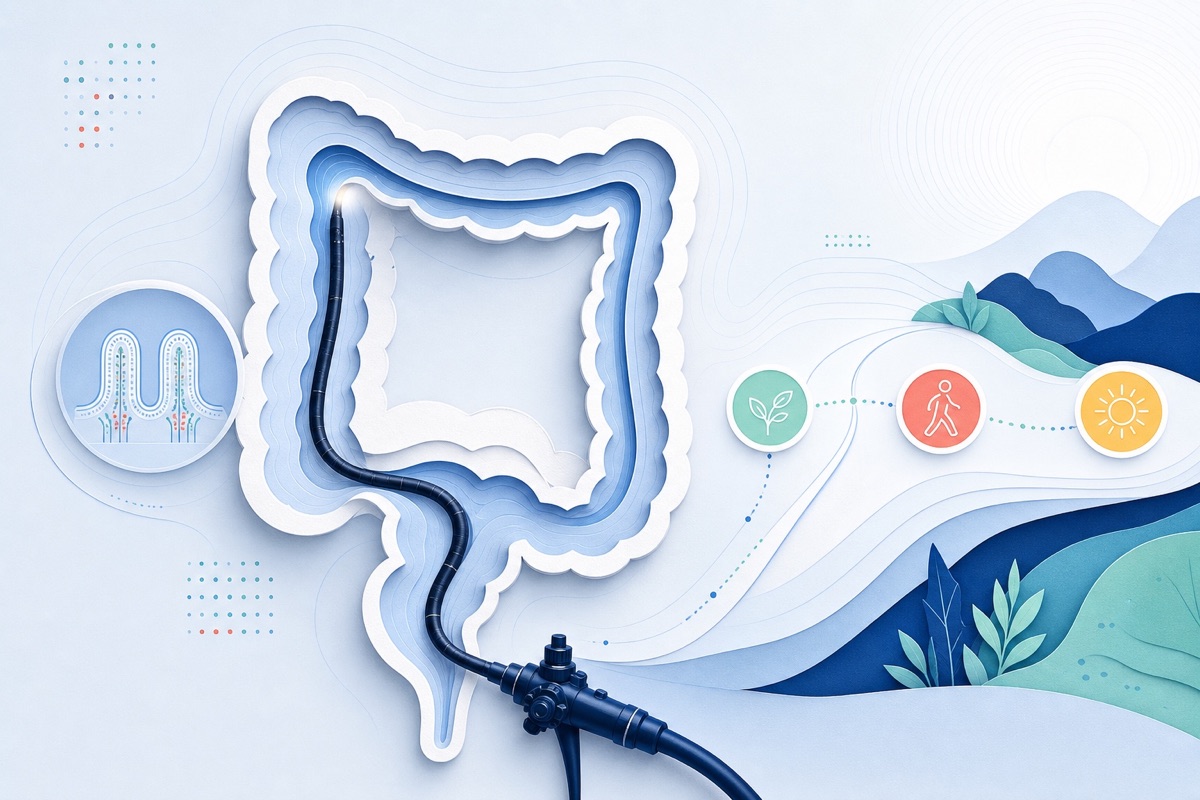
Endoscopy with histology were the most common investigations reported, and rectal/topical therapy was the most frequently preferred first‑line treatment for stump disease, with systemic therapy and observation used less often.
This is an abstract‑level summary of an international clinician survey reporting practice patterns and opinions, not a study of patient outcomes or comparative effectiveness. Findings point to the need for guideline development and collaborative research.
Review the original publication for the complete reporting, methods, and context.
This Cure8 brief is based on source text from the linked article. Cure8 is informational only and is not a substitute for professional medical advice, diagnosis, or treatment.
Patients with IBD or new symptoms should understand that Crohn’s disease and ulcerative colitis can look very similar but affect different parts of the gut and may require different treatments. Accurate diagnosis matters...
People with IBD have a higher lifetime risk of colorectal cancer; updated UK guidelines give clinicians and patients evidence-based recommendations on when and how to do surveillance colonoscopy to detect precancerous...
Understanding the differences between Crohn’s and ulcerative colitis helps patients and caregivers recognize likely symptom patterns, know which tests and treatments are commonly used, and when to seek specialist care....