The paper identifies a molecular pathway (miR-31-5p/SATB2) linked to UC progression to colitis-associated cancer and reports that resveratrol modulates this axis in mice, suggesting a potential preventive mechanism worth further study.
Who Should Pay Attention
Researchers (UC pathogenesis, microRNA, cancer), preclinical translational teams, clinicians and patients curious about emerging molecular research and dietary compounds.
Study Snapshot
Story typeResearch paper
Evidence typeResearch paper
Source depthMetadata only
What To Know
This open-access, peer-reviewed basic-science study reports that resveratrol reduced inflammation and the progression from ulcerative colitis (UC) to colitis-associated colorectal cancer (CAC) in mouse models.
The authors identify a molecular pathway—miR-31-5p targeting SATB2—that appears to influence TLR4/NF-κB and apoptosis signaling and show that resveratrol modulates this axis in vivo.
The work integrates human microRNA and transcriptomic data with experimental mouse models (azoxymethane + dextran sulfate sodium) to support a mechanistic link between miR-31-5p, SATB2, and UC-to-CAC transition. Resveratrol is presented as a compound that ameliorated bowel inflammation and inhibited CAC progression in these preclinical experiments.
This is a laboratory study using animal models and molecular data; it reports mechanistic insights and therapeutic potential but does not provide clinical evidence in people. It should not be interpreted as proof that resveratrol prevents or treats UC or colorectal cancer in patients.
Keep In Mind
Findings are from animal models and integrated molecular analyses; they do not establish efficacy or safety of resveratrol in people and require human clinical studies.
Source Details
Review the original publication for the complete reporting, methods, and context.
This Cure8 brief is based on source text from the linked article. Cure8 is informational only and is not a substitute for professional medical advice, diagnosis, or treatment.
This review collects preclinical evidence that a traditional Chinese medicine formula (Gegen Qinlian Decoction) may act on inflammation, the gut barrier, immunity, and microbiota — all relevant to ulcerative colitis and...
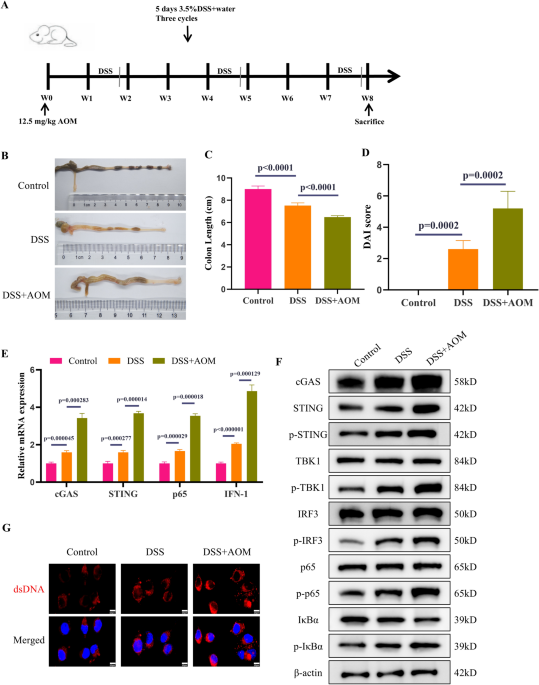
The study links activation of the cGAS–STING immune-sensing pathway to NF-κB–driven inflammation and tumor formation in UC models, which could help explain mechanisms behind colitis-associated colorectal cancer risk.
The study links cGAS–STING activation to NF-κB–driven inflammation and tumor formation in models of UC progressing to colitis-associated colorectal cancer, highlighting a pathway that could be relevant to understanding...